Show summary Hide summary
As California voters receive primary ballots this month, attention is focused on a crowded race for governor that will narrow to two contenders for the November general election. With the June 2 primary approaching, the outcome will shape state policy on housing, disaster response and public safety — issues students and residents say are already affecting daily life.
The field includes six Democrats and two Republicans, though the contest has shifted after recent campaign exits. Former contenders dropped out in April, reshaping donor flows and voter calculations in the weeks before ballots are due.
Why this primary matters
California’s top-two primary means the two highest vote-getters, regardless of party, advance to the general election on Nov. 3. That makes early turnout and name recognition critical: a small shift in support can determine which platforms stay alive through the fall.
Christa Pike released from hospital after failed execution, attorneys say
Dolly Parton tribute drives Madonna Inn crowds: steakhouse unveils limited menu
Voters on campus say practical problems are driving their choices. A freshman who grew up in Los Angeles urged stronger coordination on wildfires and better accountability from state government after recent blazes. Others point to the **housing crisis**, limited **mental health resources**, and concern about rising living costs as deciding factors.
Where the race stands
Two candidates ended their campaigns in April: one suspended amid allegations of misconduct and another withdrew citing weak polling and fundraising. Those departures concentrated attention on remaining contenders from both parties and raised questions about coalition-building ahead of June 2.
Campaign messages vary: some emphasize public safety and border enforcement, others focus on affordability, climate resilience and consumer protections. Technology, education and labor issues also feature across platforms, but the balance between immediate relief and long-term reforms differs by candidate.
Quick guide to the leading candidates
- Xavier Becerra (D) — Longtime public official with experience in state and federal roles; emphasizes healthcare access, consumer protections and housing affordability.
- Katie Porter (D) — Former congresswoman and law professor prioritizing protections for families, stronger disaster preparedness and labor-friendly economic policies.
- Antonio Villaraigosa (D) — Ex-Los Angeles mayor focused on housing production, energy policy and consumer safeguards.
- Tom Steyer (D) — Philanthropist and investor advocating for corporate accountability, expanded public education and utility reform.
- Matt Mahan (D) — San Jose mayor emphasizing homelessness solutions, public safety and housing development.
- Tony Thurmond (D) — State superintendent with a background in social services who highlights wages, rent relief and safer neighborhoods.
- Chad Bianco (R) — Former law-enforcement official stressing neighborhood safety, border security and skills-based education.
- Steve Hilton (R) — Political strategist and entrepreneur prioritizing regulatory reform, housing production and parental roles in education.
Each campaign presents contrasting remedies for the same set of problems: how to lower costs for families, expand housing supply, and prepare for climate-driven disasters. Voters told reporters they want practical plans that will produce measurable results rather than broad rhetoric.
Voices from campus
A political science freshman from Southern California said she hadn’t followed the campaign closely but wants a governor who improves disaster response and holds officials accountable after recent fires. Another student studying journalism said she leans Democratic and wants a leader who can negotiate with the federal government and other states. A marine science freshman said mental health services, racial equity and housing affordability are top priorities that will guide his vote.
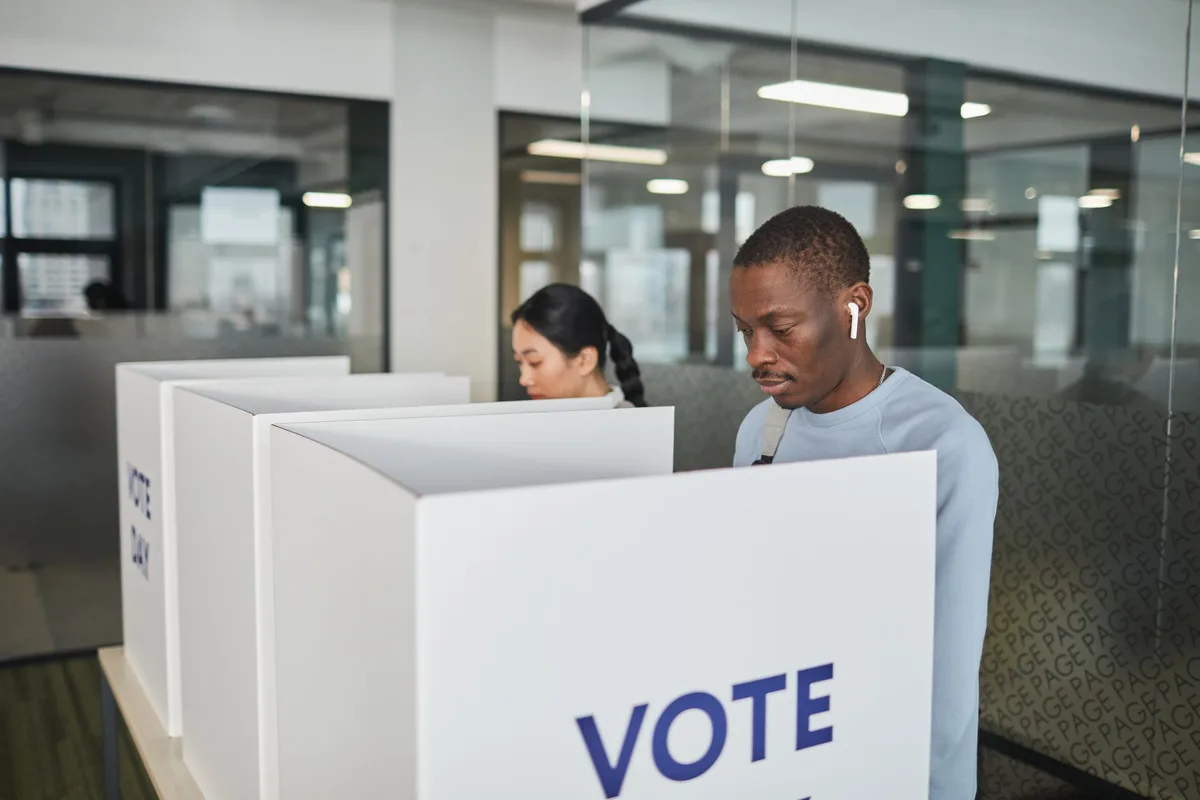
These views underscore a broader pattern: younger voters are watching how candidates translate policy promises into operational commitments—what agencies they will fund, what regulations they will change, and how quickly they can deliver relief.
What to watch before ballots are cast
Key indicators in the coming days include shifts in fundraising, endorsements from major local players, and campaign messaging that targets everyday concerns like grocery and gas prices. Because the primary advances two candidates regardless of party, cross-appeal matters: a candidate who can broaden support beyond the base may gain an edge.
- Fundraising and endorsements: May reshape viability and media attention.
- Voter turnout: Small, motivated blocs can tip the top-two result.
- Policy specificity: Concrete implementation plans often influence undecided voters.
With ballots arriving in precincts and by mail, voters still have time to compare platforms and consider which candidate’s proposals match the state’s immediate needs. For many Californians — especially younger residents grappling with cost, safety and climate impacts — the choice made in June could determine which issues receive attention and funding for the next four years.