Show summary Hide summary
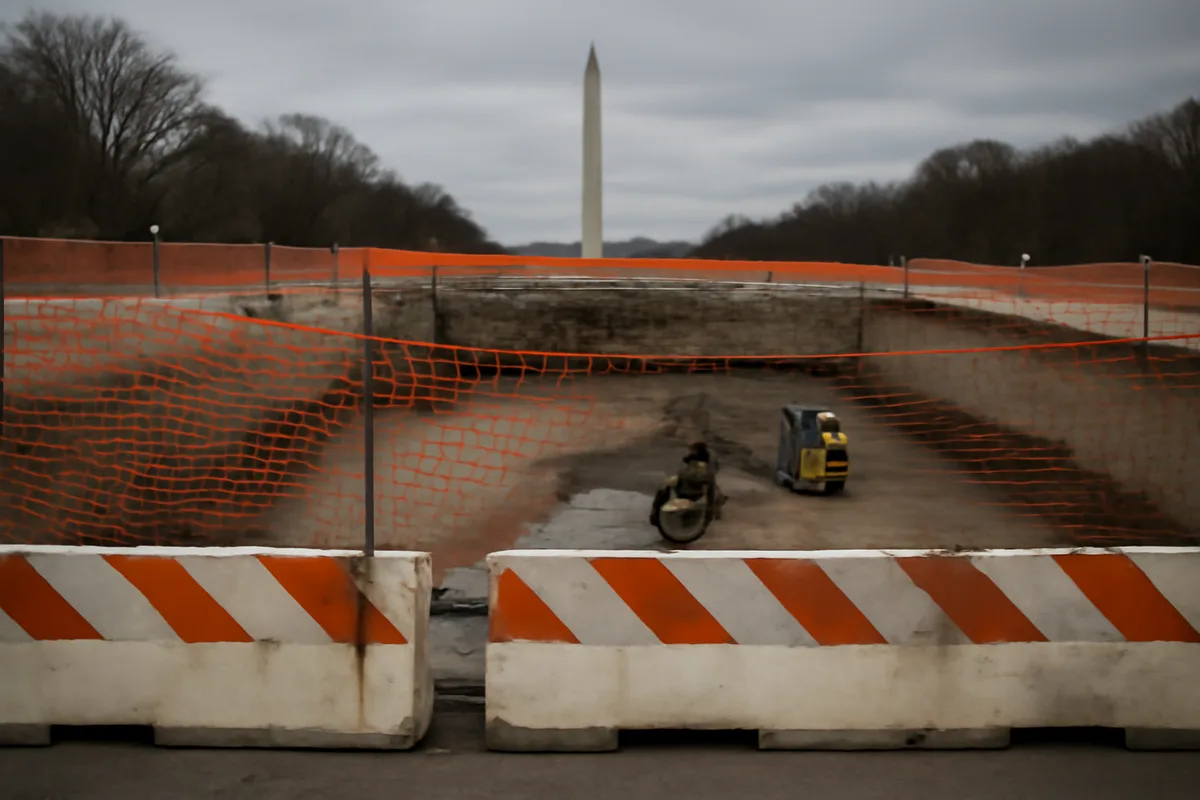
This week the National Mall’s central reflecting pool presents an unfamiliar scene: work crews, orange barriers and construction scaffolding have replaced the usual mirror-like surface, underscoring a renovation that has become a flashpoint in Washington politics. The visible changes matter because they affect travel plans, public commemoration, and how officials and critics frame spending and preservation on federal parkland.
Visitors approaching the pool now find large stretches of exposed concrete and maintenance equipment where water once reflected the Washington Monument. Park managers say the work aims to fix long-standing structural and drainage problems; opponents contend the project has expanded in scope and cost beyond what was originally approved.
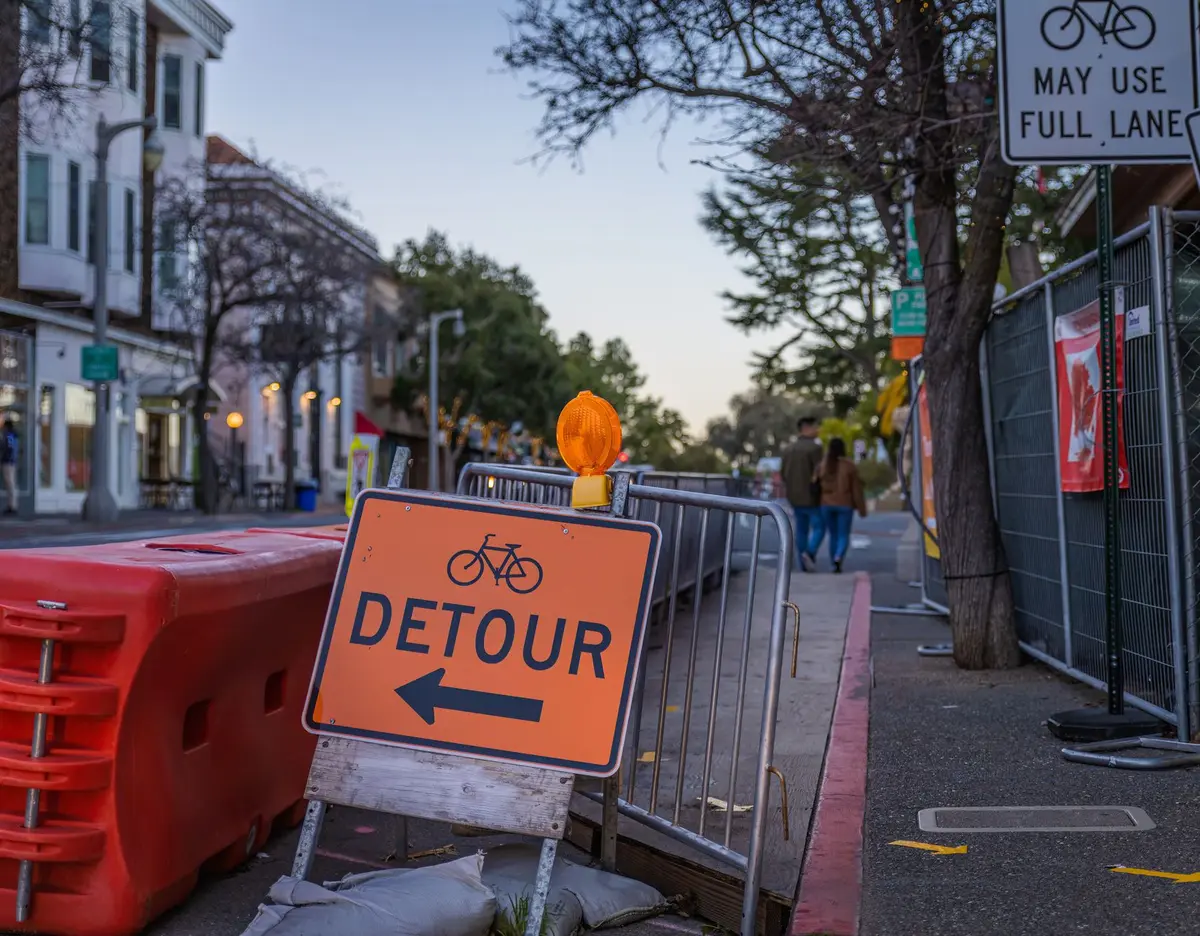
National Park Service teams and private contractors are on site, performing what officials describe as essential repairs to the pool’s waterproofing and piping. Construction signage notifies pedestrians about temporary detours across the Mall and the phased reopening of viewing areas.
Christa Pike released from hospital after failed execution, attorneys say
Dolly Parton tribute drives Madonna Inn crowds: steakhouse unveils limited menu
What changed on the ground
Once cleared for public access, the pool’s basin was drained to allow inspections and repairs beneath the surface. That exposed layer of concrete, historic masonry and old plumbing that officials say require replacement to prevent repeated closures in the future.
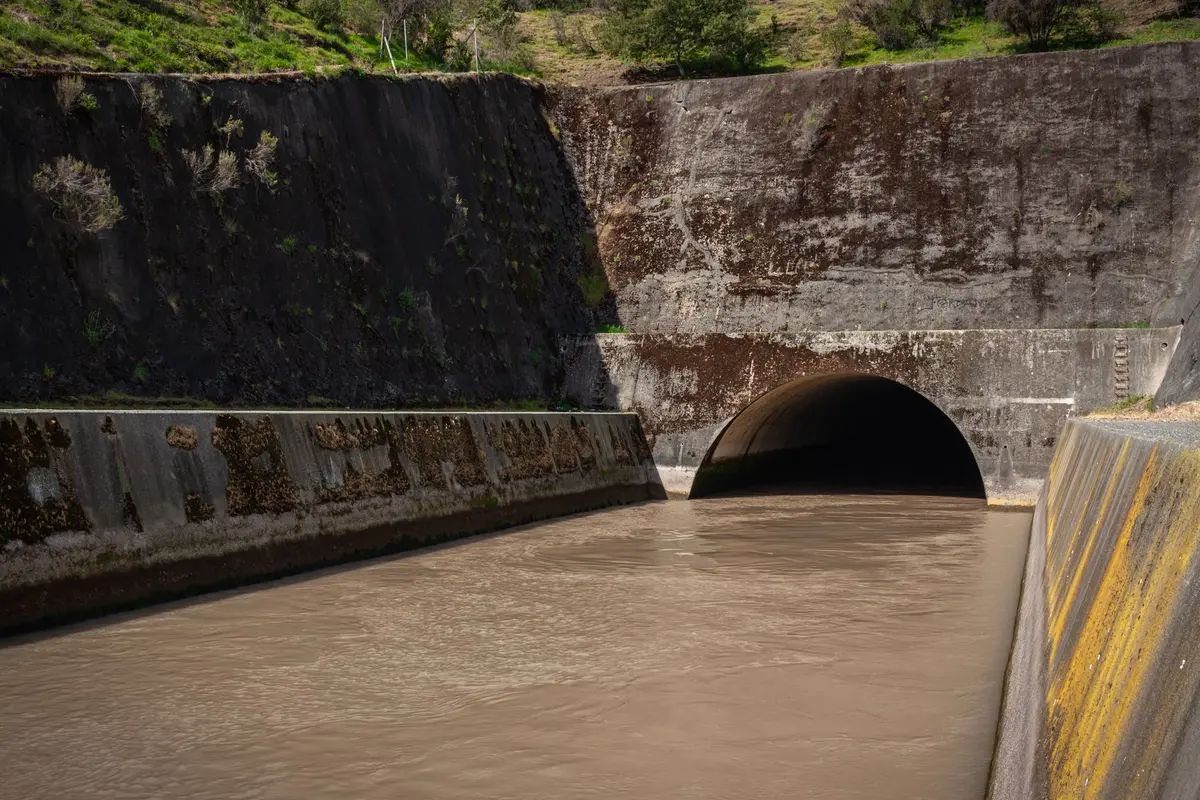
For many passersby the visual shift is striking — the contrast between a dry, fenced-off basin and the familiar reflective water emphasizes the scale of the intervention and the length of the disruption.
- Short-term: restricted pathways and relocated viewing spots for tourists and school groups.
- Medium-term: scaffolding and heavy machinery will remain for several months as crews work on structural and mechanical systems.
- Long-term: officials promise improved drainage and a more resilient pool designed to reduce future closures.
Why the renovation has become political
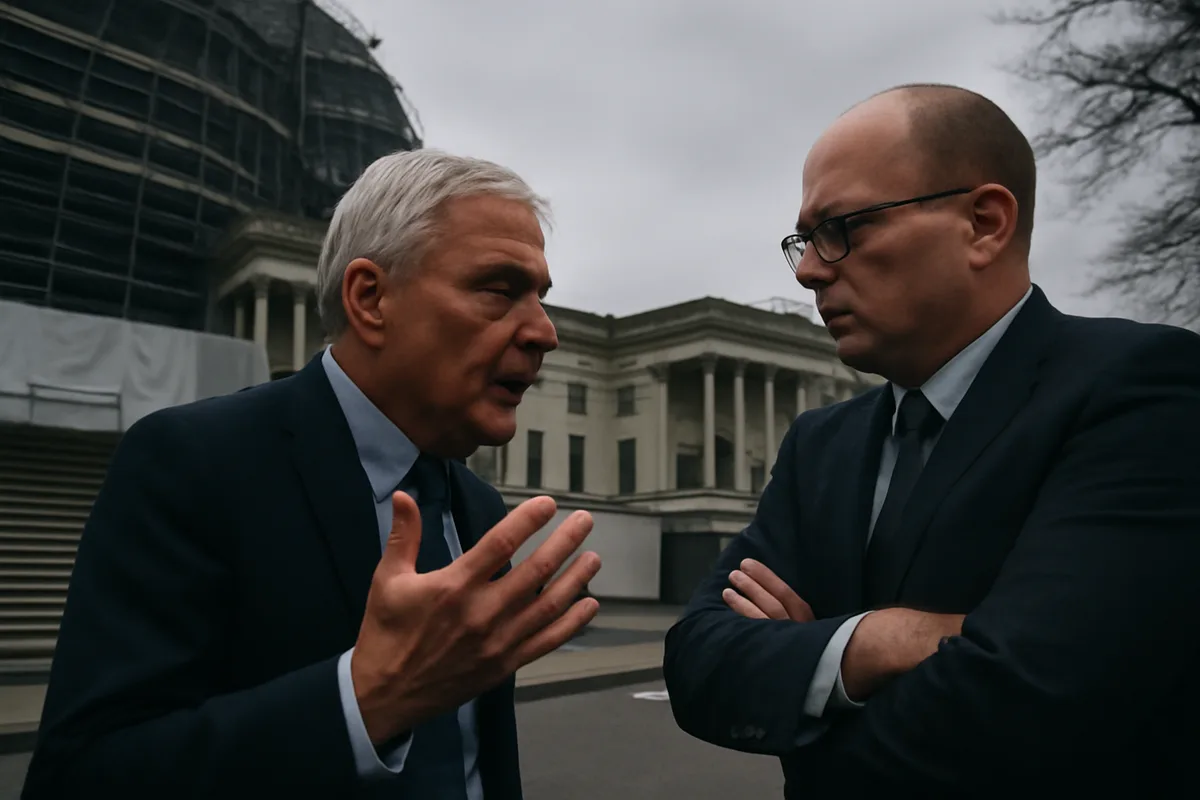
The project has drawn criticism on two fronts. Some lawmakers and watchdogs question rising costs and schedule slippage; others argue for expanded work to address accessibility and climate-related concerns. That disagreement has turned a technical rehabilitation into a debate about federal budgeting and cultural stewardship.
Supporters of the broader plan argue that simply patching the basin would lead to recurring repairs and that a more comprehensive overhaul is fiscally prudent. Critics counter that changing project scope without clearer oversight risks higher taxpayer expense and unnecessary delays.
| Aspect | Current status | Stakeholders |
|---|---|---|
| Site condition | Drained sections, exposed basin, construction barriers | Park visitors, tour operators, nearby businesses |
| Work being done | Waterproofing, piping replacement, structural inspection | National Park Service, contractors, conservation specialists |
| Contested issues | Budget increases, timeline extensions, design scope | Members of Congress, municipal officials, preservationists |
| Projected impact | Staged reopenings, modified access for events, improved long-term resilience | Event planners, veterans groups, seasonal visitors |
Practical implications for visitors and events
People planning trips to the Mall should expect altered sightlines and rerouted foot traffic. Large events that normally use the pool’s perimeter for vantage points are consulting alternative layouts or postponing until sightlines are restored.
Commemorations that rely on the pool’s reflective backdrop may be scaled down or moved. For those attending ceremonies, organizers are urging early arrival and checking official National Park Service updates for the latest access information.
What to watch next
Watch for three signals that will shape the debate going forward: updates to the project budget and timeline, any formal congressional inquiries or funding riders, and technical reports on the pool’s structural condition when inspections are completed.
If repairs proceed without further expansion, officials say the pool can reopen on a phased schedule that preserves its historic appearance while strengthening its infrastructure. If the scope grows, expect a longer period of disruption and renewed scrutiny from fiscal oversight bodies.
For now, the emptied basin on the Mall is a visible reminder that maintenance of public landmarks can be both a technical challenge and a political issue — with consequences that ripple through tourism, public ceremonies and federal budgeting priorities.