Show summary Hide summary
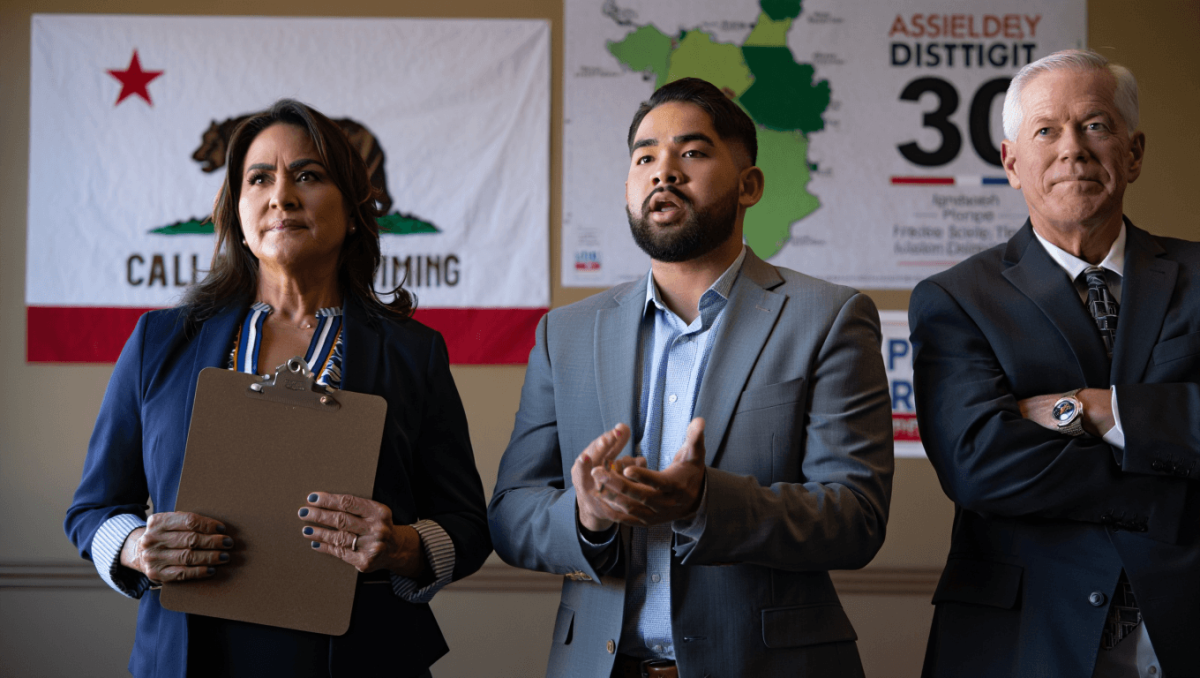
The June 2, 2026 primary in California’s Assembly District 30 could reshape who represents stretches of the Central Coast from San Luis Obispo through parts of Monterey and Santa Cruz counties. With three leading contenders campaigning on housing, affordability and education, the outcome will directly affect local budgets, student life at Cal Poly and rules that govern the region’s coastal communities.
Voters can cast ballots in person on June 2 or return mail ballots that are postmarked no later than that date.
Who’s running and what’s at stake
District 30 covers a mix of college towns, coastal communities and agricultural areas where rising living costs and limited housing supply are daily concerns. The assemblymember elected here helps shape statewide budget priorities, lawmaking and constituency services that influence local schools, energy projects and emergency planning.
Christa Pike released from hospital after failed execution, attorneys say
Dolly Parton tribute drives Madonna Inn crowds: steakhouse unveils limited menu
| Candidate | Party | Top priorities | Background |
|---|---|---|---|
| Dawn Addis | Democrat | Housing affordability, funding for Cal State students, survivor protections, environmental and clean energy policy | Incumbent; chairs Assembly Budget Subcommittee on Health; member of progressive and women’s caucuses |
| Shannon Kessler | Republican | Public safety, affordability, parental voice in schools, protection of girls’ athletics | Local business owner, parks commissioner, PTA leader; founded local advocacy groups |
| Susannah Brown | Democrat | Stable school funding, rental housing development, renewable energy, community services | Born on the Central Coast; longtime community volunteer and school council member |
Incumbent focuses on students and coast
Dawn Addis, the current assemblymember, frames her second-term agenda around lowering housing costs for coastal communities and students, and protecting survivors of sexual violence. In an interview with Mustang News she emphasized continuing efforts to secure funding for state colleges and to defend student privacy in the aftermath of recent campus data breaches.
Addis also stresses environmental protections tied to local economies that depend on coastal tourism and the ocean, and says scientific research should guide regional energy decisions.
Republican challenger stresses local leadership
Shannon Kessler is campaigning as a community-minded alternative to career politicians, citing experience on local commissions and in the PTA. Her platform highlights law-and-order issues, reducing the cost of living and amplifying parents’ roles in school decision-making.
Kessler has made competitive sports policy a signature issue, advocating restrictions on participation in girls’ athletics that she says reflect concerns from her advocacy work. She frames housing policy around increasing supply to meet demand in the Central Coast market.
Local-born Democrat pitches steady funding and rental housing
Susannah Brown presents a grassroots approach shaped by life on the Central Coast. She prioritizes long-term school funding plans rather than one-off fixes and wants to expand rental housing options and renewable energy measures. Brown highlights community engagement and nonprofit partnerships in wildfire preparedness and social services.
Key differences, simplified
- Approach to housing: Addis supports a mix of student- and community-oriented housing solutions; Kessler emphasizes building to meet demand; Brown favors rental-focused development to improve affordability.
- Education priorities: Addis focuses on Cal State funding and student protections; Kessler elevates parental involvement and alternatives to four-year college; Brown seeks stable, long-term K–higher-education funding.
- Environment & energy: Addis and Brown back renewable and science-led policies; Kessler highlights local control and economic impacts.
These contrasts matter because the assemblymember will vote on state budget items and laws that directly affect student financial aid, local housing projects, energy permitting and public-safety funding in the Central Coast region.
Voices from campus
Students at Cal Poly say affordability and environmental policy are top concerns. An animal science freshman urged stronger support for clean, alternative energy and unified power standards across the county. Another student studying environmental management said access to affordable, quality housing for students should be a priority and expressed hope that the next assemblymember will actively represent campus interests.
For many residents—especially renters and college students—the race is being watched for concrete policy changes that could ease housing pressure, protect student data and steer local energy projects toward renewables.
With the June 2 primary approaching, District 30 voters will decide which candidate best addresses those immediate economic and community pressures.