Show summary Hide summary
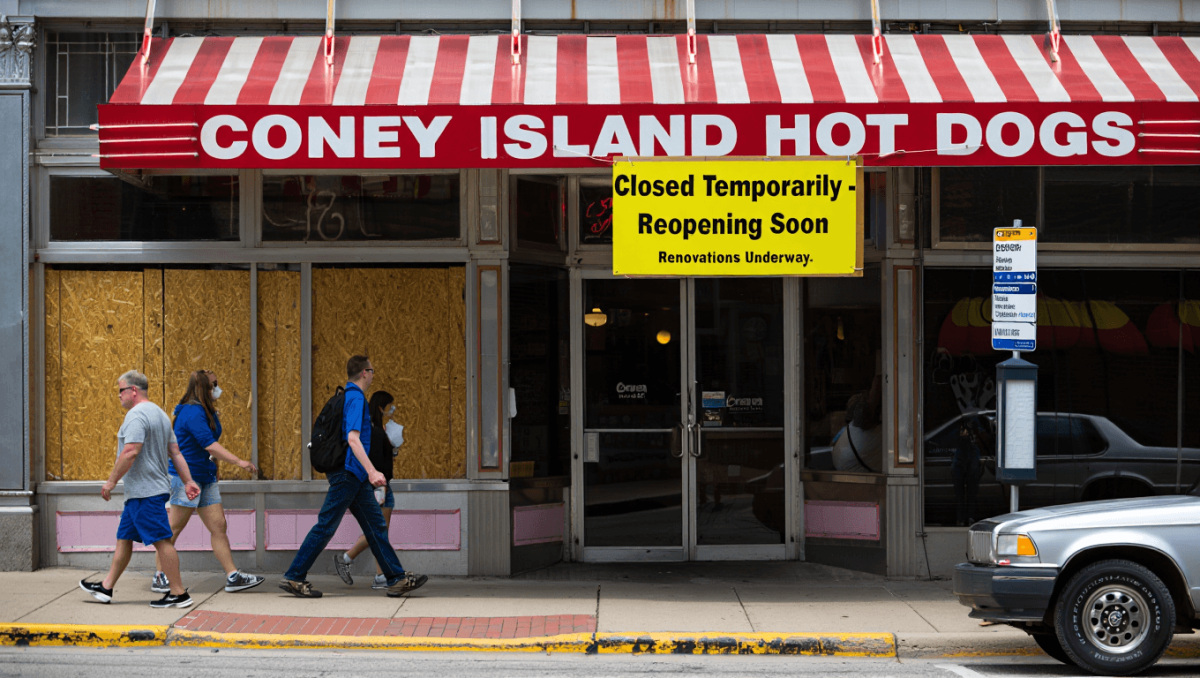
Downtown Oklahoma City’s longest-running eatery, Coney Island Hot Dogs, will close its doors temporarily on Friday, July 31 for renovations, a social post from the restaurant on July 27 confirmed. The pause affects a place many locals call a living piece of the city’s history — a small, affordable diner that has anchored memories and routines for generations.
Updated July 27: the restaurant announced the closure is intended to be temporary and that it plans to reopen after work is completed.
The counter at Coney Island Hot Dogs, currently at 428 W Main St., has been part of downtown life for more than five decades in that location and traces its origins back to the late 1920s. The spot is known as much for its unchanged menu — chili cheese dogs, chili bowls and Frito pie — as for the worn wood paneling and walls crowded with University of Oklahoma memorabilia.
Christa Pike released from hospital after failed execution, attorneys say
Dolly Parton tribute drives Madonna Inn crowds: steakhouse unveils limited menu
Roots and relocation
The business began under the Soter family in the late 1920s; records commonly cite 1928 as the opening year, though some signage at the restaurant lists an earlier date that family members have questioned. The Soters ran the counter through the mid-1960s. In 1953 the restaurant changed hands to Bill Mihas, an immigrant restaurateur who later moved the operation to its present block in the 1970s after the city cleared the Midwest Building.
Mihas received a relocation payment from the city when the neighborhood redevelopment forced the move, and the diner has remained a fixture at that address since 1974. In recent years, Mihas has not always been on-site; family members have helped keep day-to-day service running.
The long arc — immigrant founders, a mid-century makeover, and decades of local ownership — is visible in small details: an old-style menu, posters with football seasons, and framed snapshots of eating contests that became part of the restaurant’s lore.
What regulars will miss
For patrons like Robert and Judy Reinauer, the restaurant is part of a life-long routine. Robert first came as a child and the couple now drives from Edmond to sit at the counter. They point to the food’s familiarity and the relationships that grew up around the place as what makes it irreplaceable.
Longtime traditions thread through the room: Mihas playing chess with customers on Saturdays, banners recording competitive-eating milestones, and a sign requiring challengers to eat coneys “with everything on them.” Notable records on the walls include Jerry Cusack’s 15 coneys in 19 minutes (2006) and Eric Cheatwood’s 16 in 18 minutes (2009), with photographs of attempts that fell short.
- Closure date: Scheduled for Friday, July 31 (temporary, per July 27 social post)
- Address: 428 W Main St., downtown Oklahoma City
- Origins: Opened by the Soter family in the late 1920s; purchased by Bill Mihas in 1953
- Relocation: Moved to current site in 1974 after Midwest Building demolition
- Menu and price point: Classic coneys, chili bowls and Frito pie — two coneys with cheese and a bag of Fritos ran under $6 in 2026
- Cultural features: University of Oklahoma memorabilia, yearly football posters, eating-contest banners, chess on Saturdays
The restaurant’s compact menu and low prices are part of why it has remained popular even as downtown has changed around it. For many customers, the loss is not just about a meal but about the small rituals and faces that made the spot feel like a neighborhood institution.
What this closure could mean
Renovations are a practical step to keep an old business viable, but they also raise questions about maintaining character. Patrons and preservation-minded residents will be watching to see whether the work preserves the diner’s historic feel or alters the elements that give the place its identity.
For now, the restaurant’s social update offers some reassurance: the shutdown is meant to be a temporary pause rather than an end. How long the work will take, what will be changed and whether the familiar posters and menus will return exactly as they were remain unanswered as the community prepares for the short-term disruption.
In a neighborhood where affordable, longstanding local businesses have become rarer, the temporary closure of a nearly century-old counter is a reminder of how fragile community landmarks can be — and how much they matter to the people who built routines around them.