Show summary Hide summary
Students and alumni from Cal Poly are mobilizing to sustain San Luis Obispo’s live jazz circuit as venues face growing pressure from neighbors and municipal rules. For many of these musicians — who often balance day jobs in fields like engineering or campus services — every closed gig room chips away at creative outlets and part-time income.
Small-town scene, big commitment
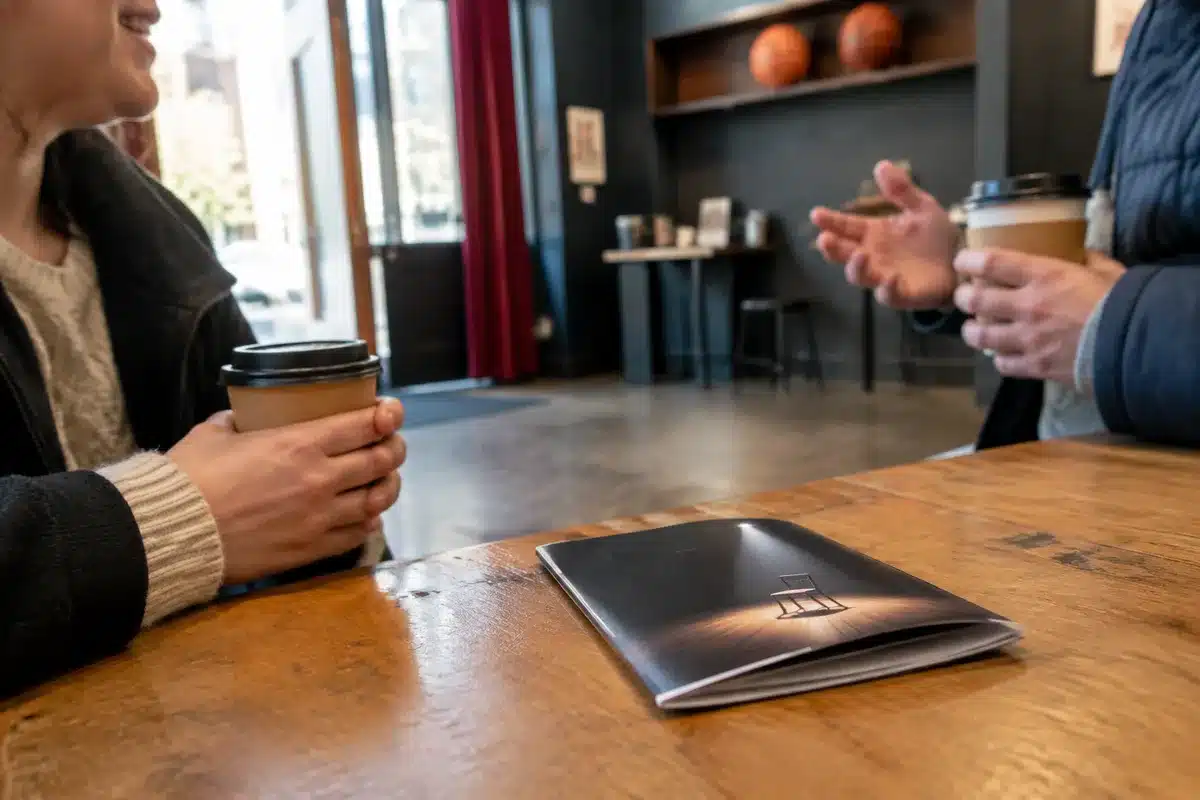
What looks like a loose collection of weekend sets is actually a tightly woven network. Musicians who studied non-musical majors still return to jazz as their primary creative practice, forming regular lineups at local spots and inviting newcomers to sit in.
Christa Pike released from hospital after failed execution, attorneys say
Dolly Parton tribute drives Madonna Inn crowds: steakhouse unveils limited menu
Guitarist Jacob Cherdak, a Cal Poly psychology graduate, says the town’s intimacy shapes the scene: audiences are attentive and tolerant, and players rely on one another to keep shows going. That camaraderie has become the backbone of a community that otherwise has limited formal support.
Venues under strain
Musicians point to a familiar pattern: popular local rooms accumulate noise complaints, enforcement follows, and the available stages shrink. Bassist Alex Runi describes San Luis Obispo as a place with a reputation for losing music spaces — a trend he blames on policy and enforcement decisions as much as on neighbors.
Some landmarks live on only in memory. Players recall an old jazz club tucked beneath the Frog and Peach bar and the ad hoc “boiler room” EDM gatherings that briefly energized the town’s nightlife. Those flashes of vitality, performers warn, are less common now.
Noise complaints are the recurring culprit, according to the musicians—costing venues the flexibility to host late-night sessions and discouraging new promoters from investing in jazz nights.
Gigs, growth and livelihoods
For several alumni, the music scene provides both artistic outlet and practical earnings. Trombonist Matthew Brom, who also works at Cal Poly Traffic, describes local performances as a dependable source of extra income and a setting where less experienced players can develop.
“We want people to try jazz here,” Brom says, noting that jam nights are intentionally open and educational — a proving ground rather than a closed circuit of professionals.
The reliance on word-of-mouth organization gives the scene resilience, but it also makes it fragile: without formal promotion or institutional backing, a handful of complaints or a sudden rule change can wipe out months of momentum.
- Jazz Night at SideCar — Wednesdays, 8:30–11:30 p.m.
- Jazz Jams at Libertine Brewing — First and third Mondays, 7–9 p.m.
- Pop-up sets at local venues including BA Start Arcade and Taproom and other neighborhood bars (schedules vary)
These recurring nights function as both performance opportunities and informal classrooms, where students and alumni run through standards, experiment with arrangements and build local audiences.
The broader consequence goes beyond musicians’ schedules: live music contributes to the city’s cultural identity and supports hospitality jobs. When stages disappear, so do rehearsal chances for students and the occasional paycheck for working musicians.
Still, those involved report a hopeful persistence. Through late-night jam invites, rotating house bands and collaborative relationships with small operators, the jazz community in San Luis Obispo continues to adapt — even as it presses local leaders and venue owners for clearer, more workable arrangements.