Show summary Hide summary
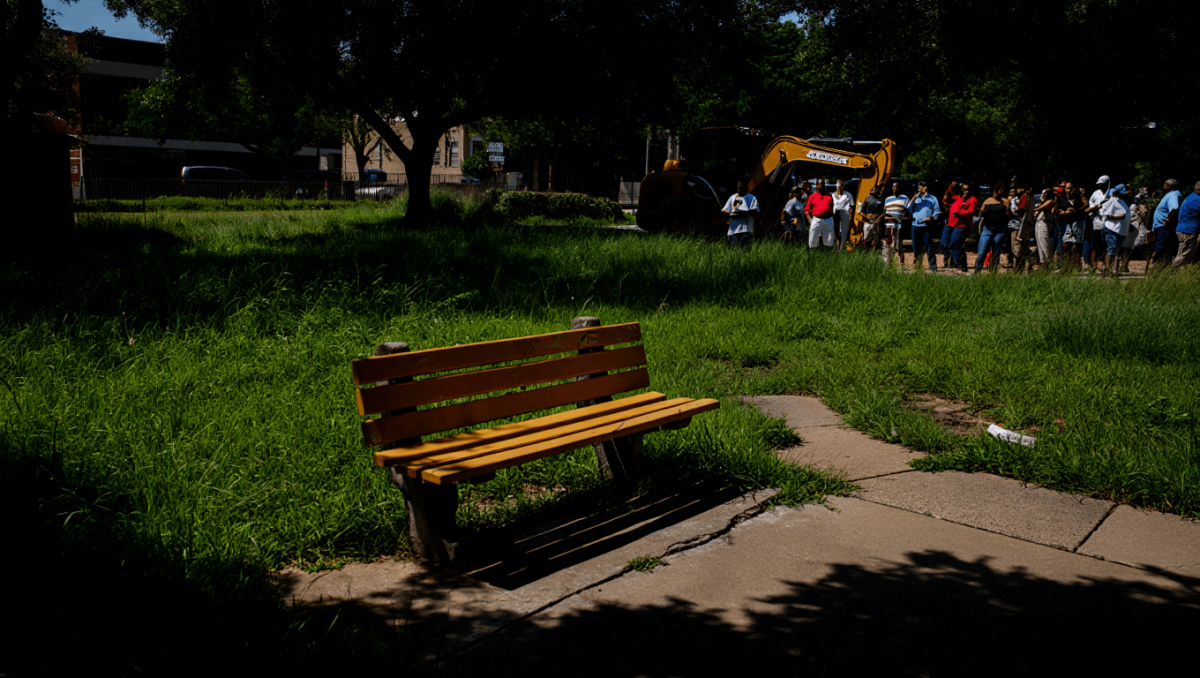
A long-neglected green space in central Oklahoma City is scheduled for a major overhaul that backers say will restore safety, reconnect the neighborhood and revive a piece of local history. With design nearly finished and funding from MAPS 4, city officials expect construction to begin in 2027 after bids are solicited later this summer.
Winans Park sits awkwardly between the northbound and southbound lanes of Broadway at NW 23rd, a location that helped the park fall out of regular use as traffic volumes rose and a fire station anchored its north end. The project aims to turn the open field back into an active neighborhood park while addressing long-standing safety problems caused by vehicles leaving the roadway.
What will change on the ground
City planners and the design team from Kimley Horn laid out a package of upgrades intended to make the park attractive and safer for pedestrians. The work focuses on recreation, traffic protection and restoring historic connections to the adjacent Heritage Hills neighborhood.
Christa Pike released from hospital after failed execution, attorneys say
Dolly Parton tribute drives Madonna Inn crowds: steakhouse unveils limited menu
- New sidewalks and improved crosswalks to link the park with surrounding streets.
- A vintage-style gazebo and benches to encourage gatherings and passive use.
- Sport surfaces: a pickleball court alongside a tennis court to expand play options.
- Decorative fencing and bollards to prevent vehicles from entering the park.
- An elevated curb/barrier at the park’s south end to stop drivers from mounting the lawn.
- On-street parking where feasible, and a signed pedestrian crossing at NW 21 to reconnect the west side of the neighborhood.
- Relocation and restoration of the historic park sign to a safer, more visible spot.
The plan also responds to a practical hazard: ACOG traffic counts indicate just over 10,000 vehicles daily use the Broadway corridor that splits the park, and for decades drivers have occasionally jumped the curb and damaged the park’s vintage streetlamps.
A neighborhood fight that lasted years
Longtime residents say the effort to revive Winans Park was grassroots and persistent. Neighbors secured small grants for tree plantings and local sidewalks while pushing the idea through city channels. One resident who began pressing for improvements in 2013 described repeated setbacks before the park was included among voter-approved MAPS 4 projects in 2019.
The park’s decline dates back many decades. When it was first developed after the 1889 Land Run, the site — part of a homestead by John Winans — included a wading pool, early lighted tennis courts and shaded lawns. Changes to the street network, construction of a fire station on the park’s north edge and increases in through traffic gradually stripped away amenities and regular use.
Local preservation organizations and descendants of the Winans family have long pushed for restoration; Historic Preservation Inc. has pledged to underwrite restoration of the park’s original sign as part of the redesign.
Project timeline and key milestones
| Milestone | Status / Target |
|---|---|
| Design completion | Approximately 95% complete |
| Construction bidding | Expected later this summer (2026) |
| Start of construction | Planned for 2027 |
| Main funding | MAPS 4 voter-approved allocation |
Designers say the physical protections — a raised south barrier, bollards and decorative fencing — are intended to reduce the risk of vehicles crashing into the park without turning the site into an unwelcoming fortress. Sidewalks and a marked crossing are meant to restore an easy, visible route for people walking from the neighborhood to park facilities.
Residents who grew up with the park speak of summer wading-pool visits and tennis matches; younger neighbors remember little more than open grass and broken lamp posts. Advocates believe the combination of active recreation, seating and safety measures will draw daily use and repair the long-ravaged connection between Heritage Hills and its historic green space.
City planners and neighborhood advocates say the project is a test case for how centrally located, small urban parks can be adapted to high-traffic settings without losing their community value. If bidding and permitting follow the current schedule, the work at Winans Park will be a visible example next year of MAPS 4 money translating into neighborhood-level public space improvements.