Show summary Hide summary
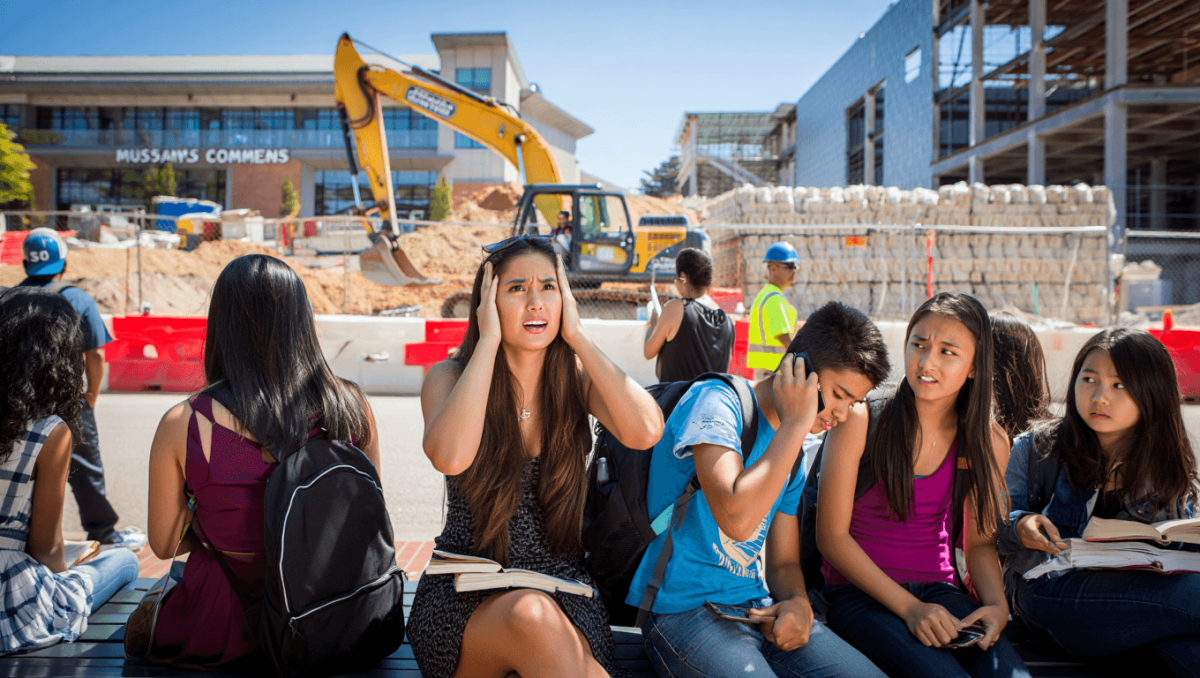
Construction activity for the new Student Success Center beside Mustang Commons is already audible across parts of campus, disrupting study spaces and some classrooms. With the building due to open in fall 2027, students and staff are weighing short-term disruptions against the long-term benefits of the project.
Noise is noticeable but impacts vary
Work on the site directly adjacent to Mustang Commons (Building 15) has been heard from multiple nearby buildings, according to students and staff. Some describe intermittent loud bursts that break concentration, while others say headphones or closed doors usually keep the disruption manageable.
Christa Pike released from hospital after failed execution, attorneys say
Dolly Parton tribute drives Madonna Inn crowds: steakhouse unveils limited menu
University spokesperson Keegan Koberl said the project team schedules most noisy operations during weekdays and has taken steps to keep interruptions to a minimum. Recent construction milestones include completing the building’s steel frame and installing steel floor decking—phases that typically generate more noise.
Where the sound is being felt
Several campus locations report measurable effects, though the degree differs by space and activity. The following table summarizes where complaints have come from and how people are responding.
| Location | Primary use | Reported impact and mitigation |
|---|---|---|
| Mustang Commons (Building 15) | Affinity and cultural student centers; study rooms | Students say intermittent construction noise distracts study sessions and naps; many rely on headphones or relocate. |
| Faculty Office North | Advising and student resource center | Echo-prone hallways amplify sounds; staff keep doors open to welcome students but close them when noise peaks. |
| Bioresource & Agricultural Engineering | Lecture and lab classes | Instructors occasionally pause lectures during particularly loud operations. |
| Fisher Science | Classrooms and labs | Teachers have closed exterior-facing doors to reduce noise; students sometimes ask for doors to remain shut during classes. |
Voices from campus
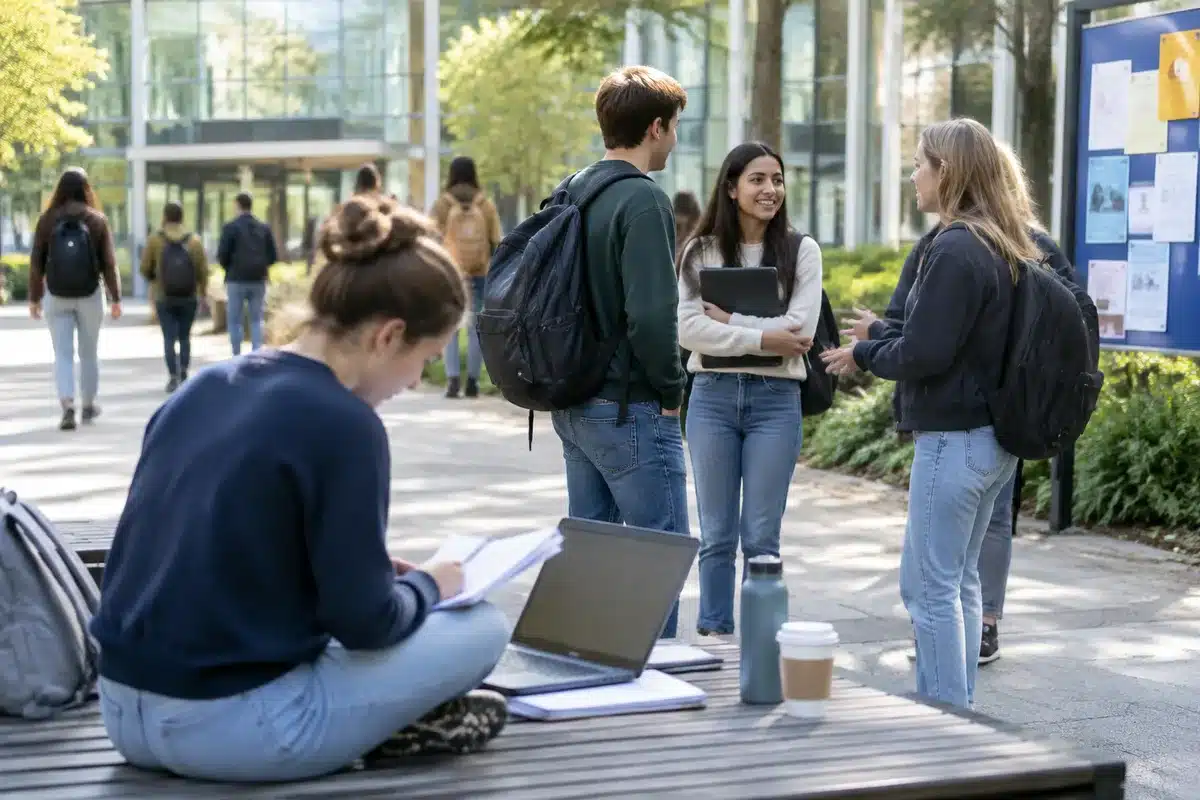
Students using the cultural centers near the construction said the noise can interrupt quiet study time and even short rests between classes. One frequent user of the Latino-focused center said the sound has, at times, overridden headphone audio and made naps difficult.
Other students and staff reported a milder effect. An economics major described the area as naturally busy and said construction is only one element of the ambient noise. A freshman studying engineering noted headphones generally solve the problem for her.
Staff working in advising expressed frustration with the unpredictability of loud periods. Because keeping doors open makes the space more welcoming, advisors balance accessibility against the need to create a quieter environment for appointments.
University response and what to expect
Koberl emphasized that most disruptive tasks are scheduled Monday through Friday between 7 a.m. and 5 p.m., and the project team aims to avoid especially noisy operations during finals. Still, occasional work may occur outside those hours when necessary.
- Timeline: Student Success Center opening targeted for fall 2027.
- Recent progress: Steel framing and decking recently finished—phases associated with louder activity.
- Noise controls: Project staff solicit feedback and try to limit high-noise work when campus demand is greatest.
Faculty and graduate instructors acknowledge the disruption but note construction is an unavoidable part of campus renewal. “It’s a noisy stage of construction that will pass as the building moves toward completion,” one instructor said, adding that simple fixes—like closing doors—often help.
If campus community members experience what they consider excessive noise, the university asks them to report it to the Facilities Help Center at 805-765-5555 or via email at facilities-cbs@calpoly.edu. The project team reviews such reports as part of its mitigation efforts.
As work continues over the next year, students and staff are adapting routines and relying on short-term measures to preserve study and classroom time while the campus adds a significant new resource.