Show summary Hide summary
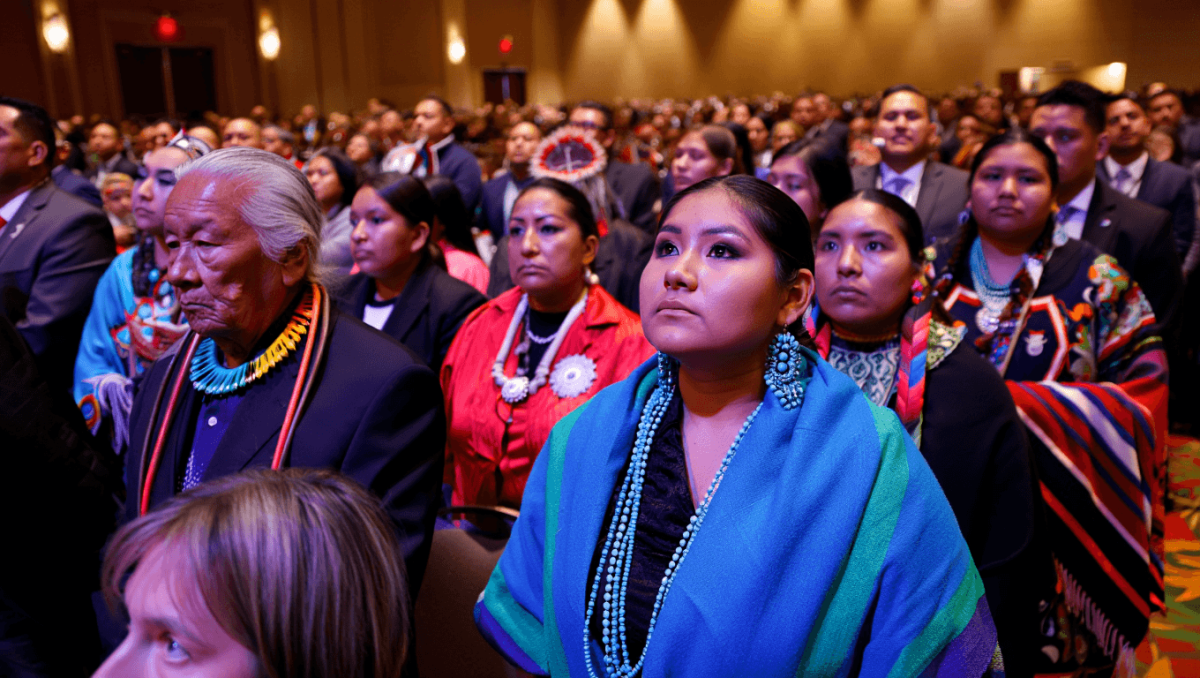
Dozens of tribal delegates from across the United States gathered in Oklahoma City this week for the National UNITY Conference, a multi-day event focused on Native youth leadership, cultural exchange and community advocacy. The meeting brought together young leaders, elders and service providers to share skills, build networks and press for attention to issues—from mental health to education—that affect tribal communities today.
Why the conference matters now
After several years of pandemic disruption and shifting federal priorities, this year’s gathering offered an opportunity to reconnect face to face and translate conversation into action. For attendees, the conference was not only a cultural touchstone but a practical forum where young people can shape local and national agendas.
Christa Pike released from hospital after failed execution, attorneys say
Dolly Parton tribute drives Madonna Inn crowds: steakhouse unveils limited menu
Organizers emphasized training sessions that help youth move from ideas to implementation: grant-writing workshops, civic engagement clinics, and peer-led conversations on resilience and mental wellness. The presence of tribal leaders and nonprofit partners also opened doors for follow-up collaborations.
Scenes from the floor
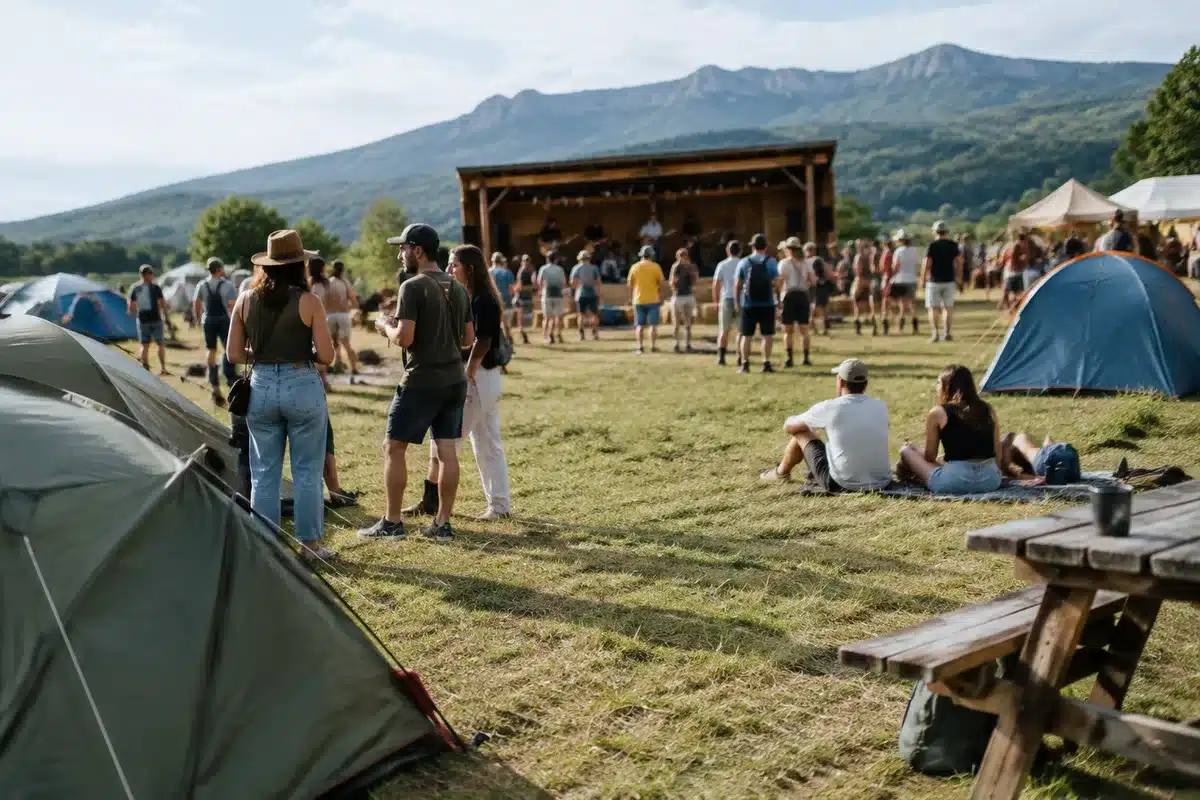
Conference halls filled with traditional dress, contemporary streetwear and the sounds of drumming and song. Photographers captured moments of ceremony alongside workshop snapshots—small groups hunched over laptops, elders leading storytelling circles, and poster sessions highlighting community projects.
Although the event highlighted celebration, many sessions centered on concrete problems: improving access to behavioral health services, expanding educational opportunities, and strengthening cultural programs that can anchor youth identity.
Program highlights
| Date | Session | Focus |
|---|---|---|
| Day 1 | Leadership Bootcamp | Practical skills for running local initiatives and youth councils |
| Day 2 | Mental Health Workshops | Peer support models, suicide prevention strategies |
| Day 3 | Policy Roundtables | Engagement with tribal leaders and partners on funding priorities |
Several sessions intentionally mixed traditional practices with modern organizing tools, underscoring a dual aim: preserve cultural heritage while equipping youth to navigate contemporary systems of power.
Immediate takeaways for communities
Local programs and tribal governments can expect a ripple effect from conversations in Oklahoma City. Young leaders returned home with new contacts, toolkits and clearer plans to pursue funding and municipal partnerships.
- Stronger networks: cross-tribal alliances that make advocacy more coordinated.
- Practical skills: training that increases the likelihood projects receive support and reach beneficiaries.
- Visibility: heightened attention to youth-driven priorities among funders and policymakers.
For journalists and policymakers watching these gatherings, the conference offered signals about future priorities in tribal communities—particularly on mental health, education access and cultural programming. How those priorities translate into funding and policy will be a key measure of the event’s impact.
What comes next
Organizers said follow-up will include regional meetings and virtual check-ins to sustain momentum. Plans for project incubation and mentorship were set in motion before the conference closed, reflecting a focus on measurable outcomes rather than symbolic gatherings.
As participants head home, many described the event as a reset: a public reassertion that Native youth are organizing with purpose, blending tradition with modern advocacy to address immediate community needs.