Show summary Hide summary
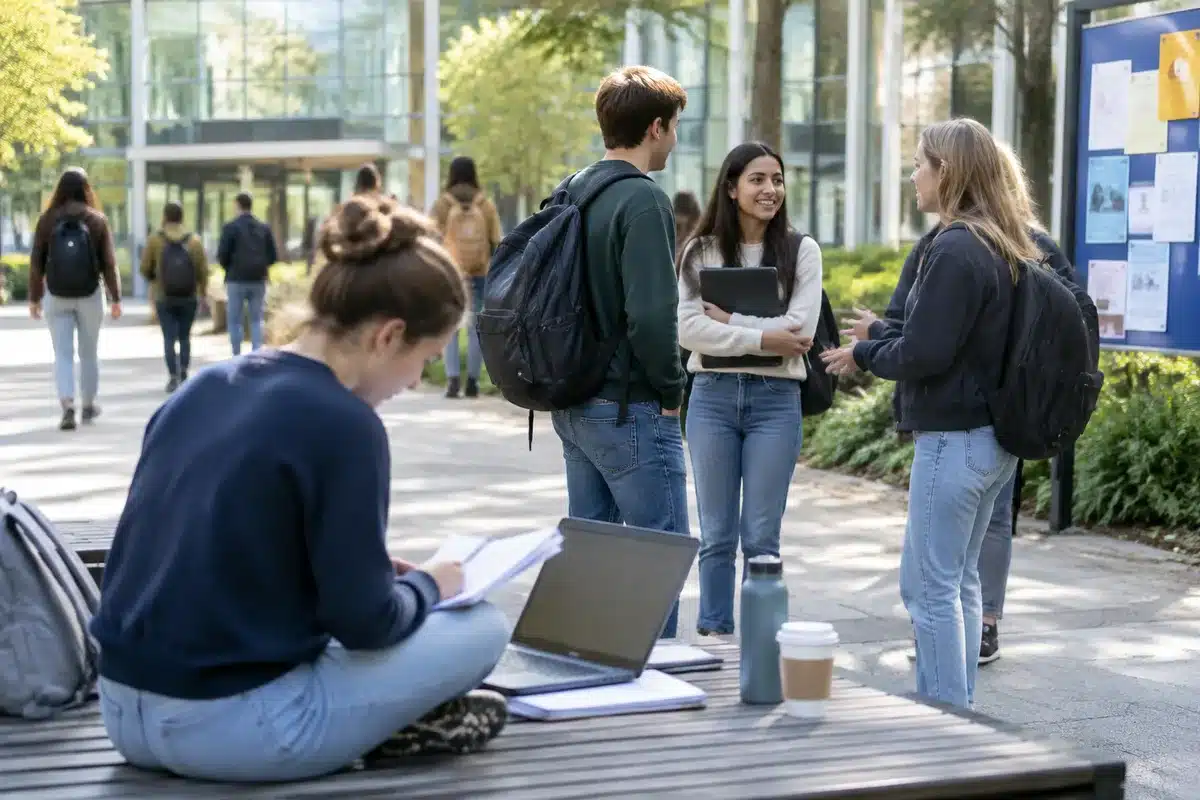
The 50th anniversary gathering of United National Indian Tribal Youth opened in downtown Oklahoma City on July 10, drawing roughly 3,000 Native young people and advisers for a five-day program of leadership training, cultural events and networking. The milestone conference spotlights how new generations are being prepared to sustain tribal communities and influence public life.
Held at the Oklahoma City Convention Center, the event is youth-led and mixes practical workshops with ceremonies and evening cultural programming. Organizers say the goal is to blend career development with cultural continuity so participants leave with both skills and renewed community ties.
Why this matters now: tribal nations face fast-changing economic and political pressures, and conferences like UNITY aim to turn local investments in young leaders into longer-term capacity for cultural preservation and civic participation across Indian Country.
Christa Pike released from hospital after failed execution, attorneys say
Dolly Parton tribute drives Madonna Inn crowds: steakhouse unveils limited menu
A moment to pass traditions forward
Speakers framed the meeting as a call to responsibility. Principal Chief Chuck Hoskin Jr., serving as an honorary co-chair, urged attendees to view education and civic engagement as tools to protect tribal sovereignty and strengthen communities. He reminded the crowd that previous generations endured severe disruptions yet preserved key cultural foundations — and that today’s youth are the stewards of what remains.
The tone was practical as well as inspirational: leaders encouraged youth to complete their schooling, to learn the mechanisms of government, and to return to their communities with the knowledge to make informed choices.
High-profile voices, local roots
Among the keynote presenters was NBA player Lindy Waters III, who has used his profile to raise visibility for Native causes. A member of the Kiowa Tribe and the Cherokee Nation, Waters spoke about staying grounded in community while playing professionally and detailed his foundation’s recent work in scholarship and college-prep mentoring.
Waters’ foundation awarded more than a dozen scholarships in 2025 and runs programs that provide coaching and guidance for Native students preparing for higher education — efforts organizers say are filling a gap in sustained support for tribal youth pursuing college and careers.
- Attendance: ~3,000 youth and advisers from across the U.S.
- Duration: Five days of sessions, cultural events and networking
- Programming highlights: leadership workshops, career and education fair, regional caucuses, and over 100 topical workshops
- Representation: tribes from multiple regions including Plains, Midwest, Pacific, Southwest and Southeast
A five-decade trajectory
UNITY began as a local effort to keep students engaged in school and connected to culture. Incorporated on April 16, 1976, the nonprofit traces its start to a dropout-prevention and cultural retention initiative led by J.R. Cook in western Oklahoma. That initial program expanded regionally and then nationally, culminating in the first national conference in 1976 — and now, half a century later, the movement has evolved into a major convening for young Indigenous leaders.
The conference schedule mixes short, skills-focused sessions with longer leadership tracks. Attendees will cycle through workshops, cultural demonstrations and networking opportunities through the weekend, with particular emphasis on building tools for community leadership and career readiness.
Organizers highlight two practical aims: connect youth with mentors and employers, and create ongoing learning pipelines that can translate conference momentum into local programs and civic action back home.
For many participants, the conference is also a place to reclaim space and voice — a rare national forum where young Indigenous people can exchange strategies, celebrate cultural resilience and plan concrete projects for their communities.
As UNITY marks its 50th year, organizers and speakers alike framed the gathering as more than a commemorative event: it is a living platform for training the next wave of tribal leaders and ensuring those leaders have the tools to shape their nations’ futures.