Show summary Hide summary
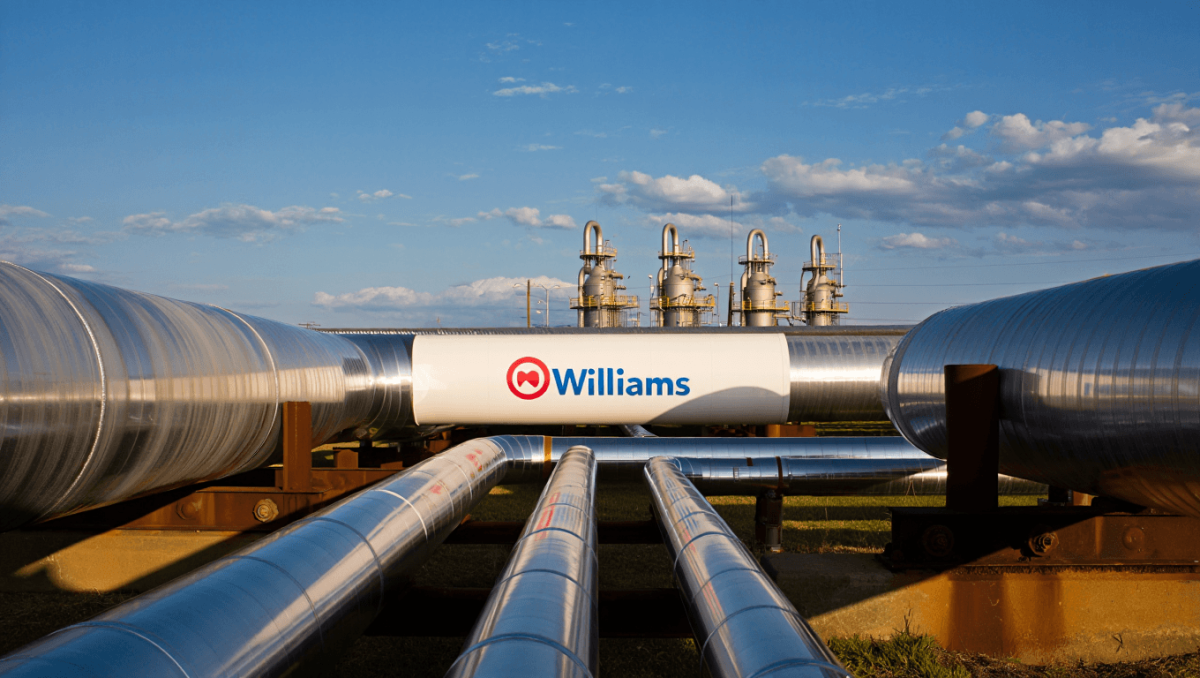
Williams, the Tulsa-based pipeline operator, is reportedly nearing a deal to buy rival natural gas midstream firm Momentum Midstream for roughly $5.5 billion — a move that would expand capacity to feed Gulf Coast export terminals and tighten connections between shale production and liquefied natural gas hubs. The potential transaction, first reported by Bloomberg late this week, underlines continuing consolidation in the U.S. midstream sector and could shift regional gas flows at a critical time for global LNG demand.
What’s happening
According to people familiar with the discussions, Williams is in advanced negotiations to acquire Momentum from private equity owner EnCap Flatrock Midstream, with an announcement possible within days. Representatives for Williams, Momentum and EnCap did not immediately respond to requests for comment, and independent verification of the report was not available at publication.
Christa Pike released from hospital after failed execution, attorneys say
Dolly Parton tribute drives Madonna Inn crowds: steakhouse unveils limited menu
Deal snapshot
- Estimated price: about $5.5 billion, per Bloomberg sources
- Seller: EnCap Flatrock Midstream (private equity)
- Target: Momentum Midstream — roughly 4,000 miles of pipelines
- Customers served: more than 140, including 10 LNG facilities and 26 power plants
- Strategic fit: increased capacity to move gas from the Haynesville shale to U.S. Gulf Coast export points
- Timing: deal talks are described as advanced; no final agreement announced
Why this matters now
The acquisition would give Williams additional throughput to route gas from one of the fastest-growing shale basins to coastal liquefaction and export terminals, potentially easing bottlenecks ahead of peak summer and fall demand for LNG. For markets and large industrial customers, changes in pipeline ownership can alter contractual access, maintenance priorities and long-term capacity planning.
Earlier this year, Williams signaled an interest in securing upstream supply, exploring acquisitions of U.S. gas production assets to bolster offerings for hyperscalers and data center clients — a strategy aimed at guaranteeing feedstock for large, steady consumers. Adding Momentum’s network would further integrate Williams’ position between producing regions and export infrastructure.
Sector and regulatory implications
Consolidation among midstream operators can deliver operational scale but also draws scrutiny from regulators and counterparties, especially when transactions affect cross-border exports or major domestic supply corridors. While sources say EnCap could still decide to retain Momentum, a sale to Williams would be closely watched by industry analysts tracking pipeline capacity ahead of winter demand cycles.
Any closing would likely involve customary regulatory reviews and the negotiation of customer contracts tied to pipeline capacity. The timetable for those processes varies depending on the jurisdictions and the specifics of the assets transferred.
Momentum’s footprint
Momentum Midstream’s system spans roughly 4,000 miles and serves a diverse portfolio of customers. Its infrastructure supports multiple liquefied natural gas installations and power-generation sites — assets that make it a strategic target for a buyer focused on export corridors and large-volume shippers.
| Metric | Approximate figure |
|---|---|
| Pipeline mileage | 4,000 miles |
| Customers | More than 140 |
| LNG facilities served | 10 |
| Power plants served | 26 |
For stakeholders — from regional utilities to large industrial buyers and energy traders — the combination of Williams and Momentum would be notable. The market will be watching for an official statement and for details on contract rollovers, capacity commitments and any planned changes to the network’s operational control.
As talks proceed, the central questions remain whether EnCap will agree to terms, how quickly regulators will review the transaction if announced, and how the deal would reshape flows from the Haynesville shale to Gulf Coast LNG terminals and export markets.