Show summary Hide summary
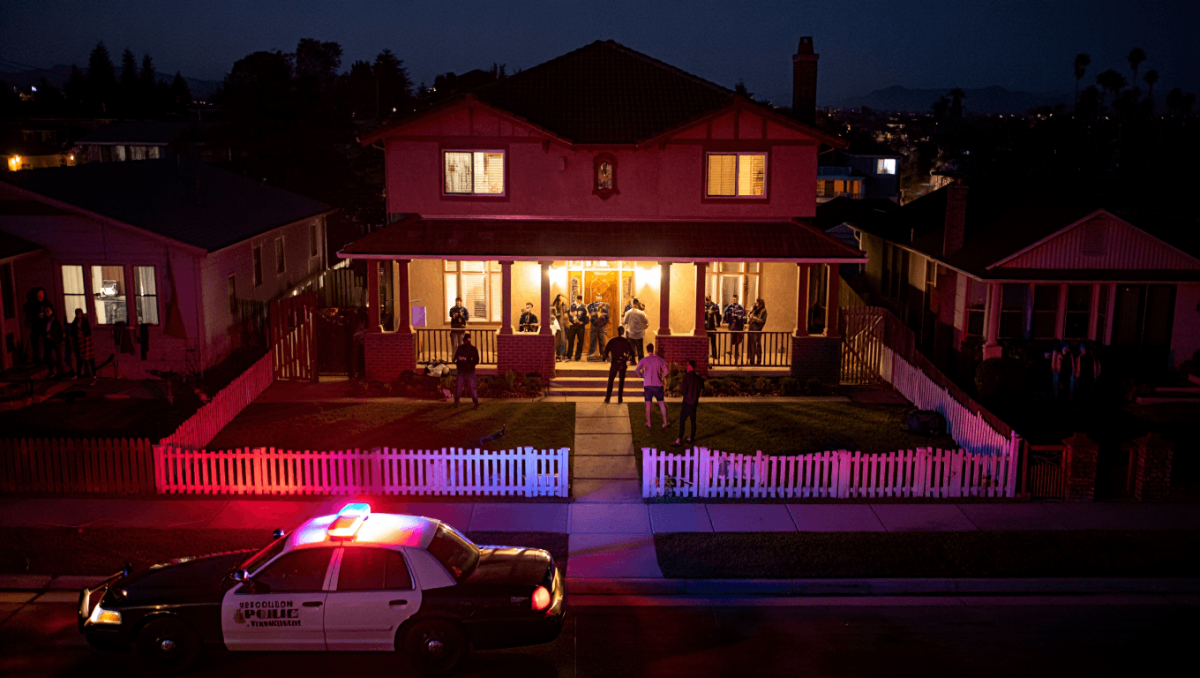
San Luis Obispo neighborhoods near Cal Poly are once again at the center of a zoning and noise battle that could reshape how the city polices student gatherings. A recent lawsuit and rising noise complaints have put a spotlight on whether off-campus fraternity activity is following local rules — and what that could mean for neighbors and students alike.
Mustang News visited several streets listed in a compilation by local resident Kathie Walker that flags homes she says host fraternity events outside permitted zones. Walker’s list names 61 addresses allegedly located in the city’s R-1 and R-2 residential zones — areas that, city code says, do not allow fraternity uses without special permitting.
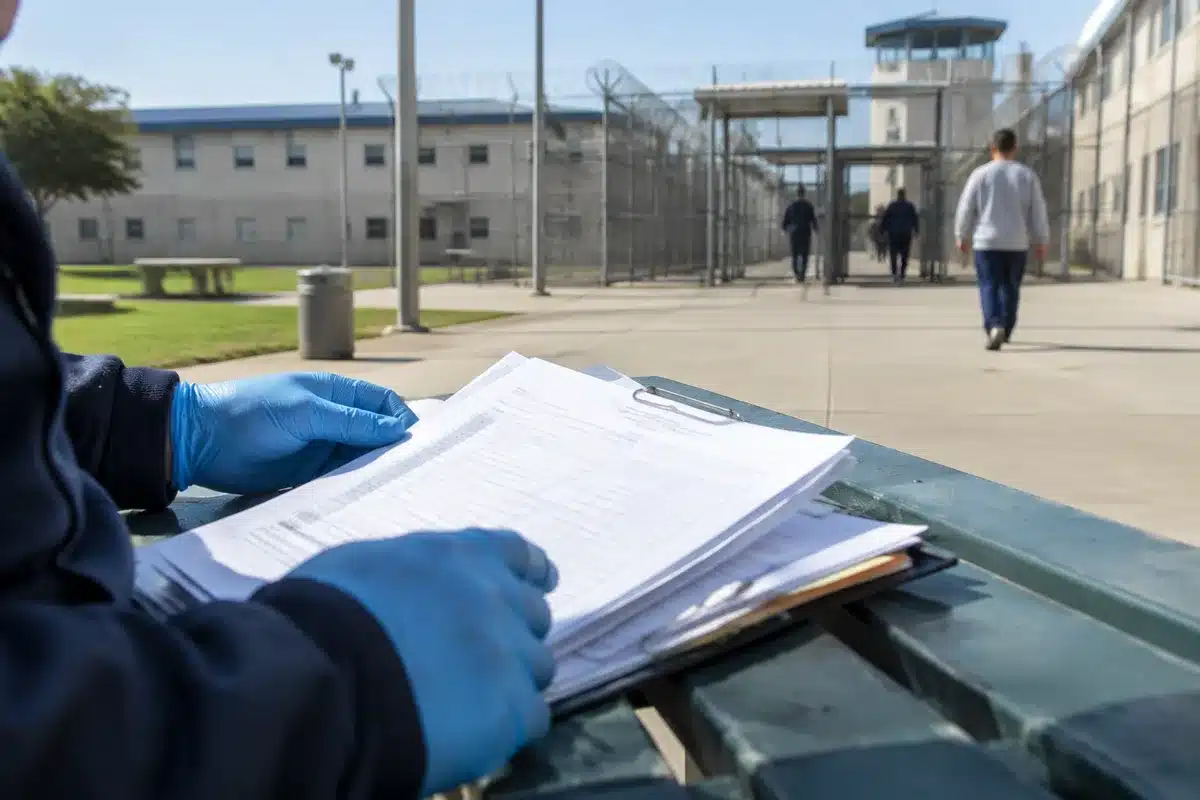
City planners confirm some of those addresses have drawn code-enforcement attention. Mallory Patino, an assistant planner with the Community Development Department, told reporters that the department has taken action at several properties on the list and that special events in restricted residential zones require permits.
Christa Pike released from hospital after failed execution, attorneys say
Dolly Parton tribute drives Madonna Inn crowds: steakhouse unveils limited menu
What neighbors say
Reporting teams knocked on doors on Rafael Way, Hathaway Avenue, Stafford Street, McCollum Street, Highland Drive and Fredericks Street to ask residents whether fraternities were operating nearby. Responses were mixed.
Many people said they were not aware of any fraternity houses on their blocks. Some described quiet streets, others recalled occasional rowdy nights but could not identify which house was the source.
Several neighbors contradicted elements of the online list: one Hathway address described by Walker’s website as a problem, residents said, had been “very mellow.” On Highland Drive, a resident credited the distance between homes for keeping noise levels down.
Still, reporters observed signs that at least some properties are being used for Greek events: a house with a beer-pong table on the lawn bearing Greek letters, a window displaying a fraternity roster, and one yard with a bounce house during a Saturday gathering.
Police records and city files show multiple calls for service and several noise citations tied to addresses on Walker’s list, though Mustang News could not independently verify fraternity membership for every residence mentioned online.
Rules, repercussions and the bigger debate
- Where fraternities are allowed: City code permits fraternity uses under conditional approvals that are typically limited to certain multi-family zones. Properties in R-1 and R-2 lack those allowances.
- Permits and conditions: Permitted fraternity houses may house more occupants and hold events only if they do not create excessive noise, parking problems, or property-maintenance issues.
- Enforcement options: Code enforcement and police can issue citations for noise, require compliance with municipal code, and pursue administrative remedies when special-event rules are violated.
- Who feels the effect: Stronger enforcement could target houses used by Greek organizations but also sweep in non‑Greek students who host small gatherings, a concern voiced by some residents and students.
The stakes extend beyond weekend disturbances. In February, Walker filed suit against Cal Poly President Jeffery Armstrong and the California State University Board of Trustees over redacted addresses on a campus fraternity and sorority event form — a legal move aimed at verifying whether campus-registered events were being held off-campus without proper permits.
That litigation arrives amid broader scrutiny: a September 2025 grand jury report urged the city to address so-called “satellite houses” — dwellings where most occupants belong to a Greek organization — and local officials said they were implementing the report’s recommendations.
Mayor Erica A. Stewart has acknowledged the problem, saying the city has taken steps to bolster safety and enforcement in neighborhoods around Cal Poly.
Voices from both sides
Some long-term residents and property owners treat student partying as an expected byproduct of a college town. Steve Ferrario, a Cal Poly alumnus who rents to students, described the friction as a natural tension between an expanding student population and established neighbors.
Students who say they try to be considerate feel regulation can be heavy-handed. Sophomore Kelsey Cook recounted hosting a modest birthday gathering, asking guests to keep it down and ending the party early — yet receiving a $300 noise citation without prior warning.
Kathie Walker says her concerns are about neighborhood livability, not a campaign against students. She distinguishes small house gatherings from large fraternity events, arguing the latter create a different scale of disruption when multiple simultaneous parties leave intoxicated people wandering between homes.
Mustang News reached out to leaders of the campus Inner Fraternity Council for comment and received no reply.
Maps provided by the SLO Police Department show a Clear uptick in noise complaints between August 2023 and July 2025, illustrating why neighbors and officials are paying closer attention now.
What this could mean going forward: Ongoing litigation, continued code enforcement, and public pressure may push the city to clarify zoning enforcement or change permitting practices — actions that would affect homeowners, student renters and Greek organizations.
Correction: This story was updated to correct the spellings of several streets and the name of Mallory Patino, and to refine the description of a “satellite” fraternity house.