Show summary Hide summary
As Oklahoma City agencies move people from encampments into apartments, mandatory housing inspections are becoming a bottleneck — and that delay matters now because every extra day outdoors increases the chance someone slips into long-term homelessness. City and housing officials say federal habitability checks are necessary, but advocates and landlords call the process slow, costly and sometimes counterproductive.
The effort to transition residents of large downtown camps into permanent homes has had measurable success: outreach teams placed the majority of one 75-person camp into housing within a month or two, yet a handful required up to three months after inspections uncovered problems. Those hold-ups, officials say, can undo momentum built by street teams who first connect people to services.
Christa Pike released from hospital after failed execution, attorneys say
Dolly Parton tribute drives Madonna Inn crowds: steakhouse unveils limited menu
Outreach meets reality
On outreach rides, workers from the Mental Health Association Oklahoma are the frontline contact for people experiencing homelessness and for many the first step into the city’s public-private program, Key to Home. Street staff help secure IDs, birth certificates and other documentation that eligibility processes require — but even when paperwork is in order, a unit must pass a pre-move-in inspection before a voucher-supported household can move in.
The consequences of inspection delays are concrete. Jamie Caves, Key to Home’s strategy implementation manager, says the system is simply overwhelmed: more people are falling into instability than the current network can rehouse. “We’re moving people, but not at the pace the need requires,” she said.
Advocates warn that additional time spent outdoors raises health and safety risks and makes it harder for people to reconnect with supports. Landlords, meanwhile, complain that inspection findings and required repairs can be unpredictable and expensive — sometimes flagging minor issues that must be fixed before a unit clears.
What inspections look for
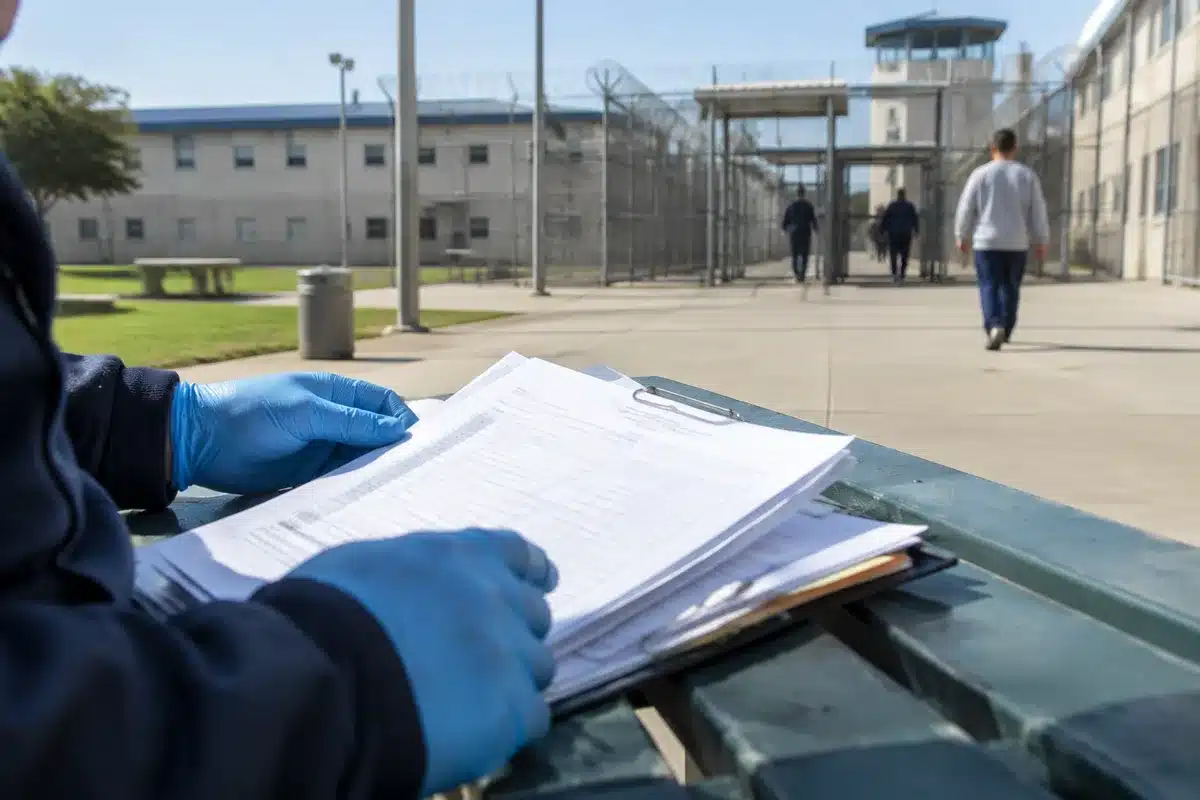
Oklahoma’s housing authority and local partners follow the federal NSPIRE standards, officials say, and inspections are completed before anyone occupies a unit so families are not forced to wait after signing a lease. That standard protects tenants, but it is also the source of many of the procedural delays.
The most common reasons a unit fails an inspection and stalls a placement include:
- Electrical issues near potential water sources without ground-fault protection
- Smoke and carbon-monoxide detectors that do not meet current requirements
- Inactive or unsafe electrical service
- Broken windows, non-working heating or cooling systems
- Missing essential appliances or absent safety equipment on water heaters
- Significant pest infestation or excessive interior/exterior debris
Housing officials stress they cannot reduce these standards because they are tied to federal voucher rules. Deborah Jenkins, executive director of the Oklahoma Housing Finance Agency, said the agency must adhere to HUD protocols to ensure tenant safety.
Where costs and capacity collide
Property managers describe a calculus driven by repair cost, inspection timing and the potential for future compliance demands. Joel Wilson, CEO of a local property management firm, said owners worry about investing in repairs now only to face additional required fixes at the next voucher inspection.
“An owner can be left wondering whether to spend on a repair today or reserve funds for more demands later,” Wilson said, noting that lost rental income during repair windows also discourages participation in subsidy programs.
Outreach coordinators counter that minor defects should not necessarily block a move-in when shelter alternatives are worse. Stephanie Newman, who coordinates rapid response efforts for the Mental Health Association Oklahoma, said landlords who accept subsidies should be familiar with the inspection expectations and work with tenants and providers to resolve issues swiftly.
Long-term solutions: rehab and new supply
At root, housing experts say, the problem is less about inspection policy and more about an overall shortage of safe, affordable units. A national analysis shows the state is short by tens of thousands of affordable homes, a gap that pushes rents up and narrows options for voucher holders.
City officials are pursuing both rehabilitation of aging units and new construction to expand supply. Shannon Entz, who helps implement Oklahoma City’s affordable housing strategy, says grant programs and federal recovery funds are being directed toward projects that can convert or upgrade properties into voucher-ready housing.
One recent development, the Crossroads at NE Grand Blvd, opened with financial support from American Rescue Plan funding and state housing resources. Officials say similar projects and targeted rehab subsidies could make more homes pass inspections without transferring the full repair burden to private landlords.
“There are landlords who want to participate but can’t afford a major HVAC replacement or a new roof,” Entz said. City programs are attempting to fill that gap so more units meet habitability standards quickly.
For now, the balance between ensuring safe living conditions and speeding placements remains delicate. Outreach teams, housing authorities and property owners agree on the goal of moving people off the streets into stable homes — but differ on how to minimize the inspection-related delays that are slowing progress.
Why this matters: As cities carry out clearance operations and urgent housing initiatives, inspection timelines increasingly shape outcomes. Faster, better-funded rehabilitation, clearer landlord incentives and coordinated repair programs could reduce the number of people stuck in temporary arrangements and shorten the time families spend exposed to the harms of homelessness.