Show summary Hide summary
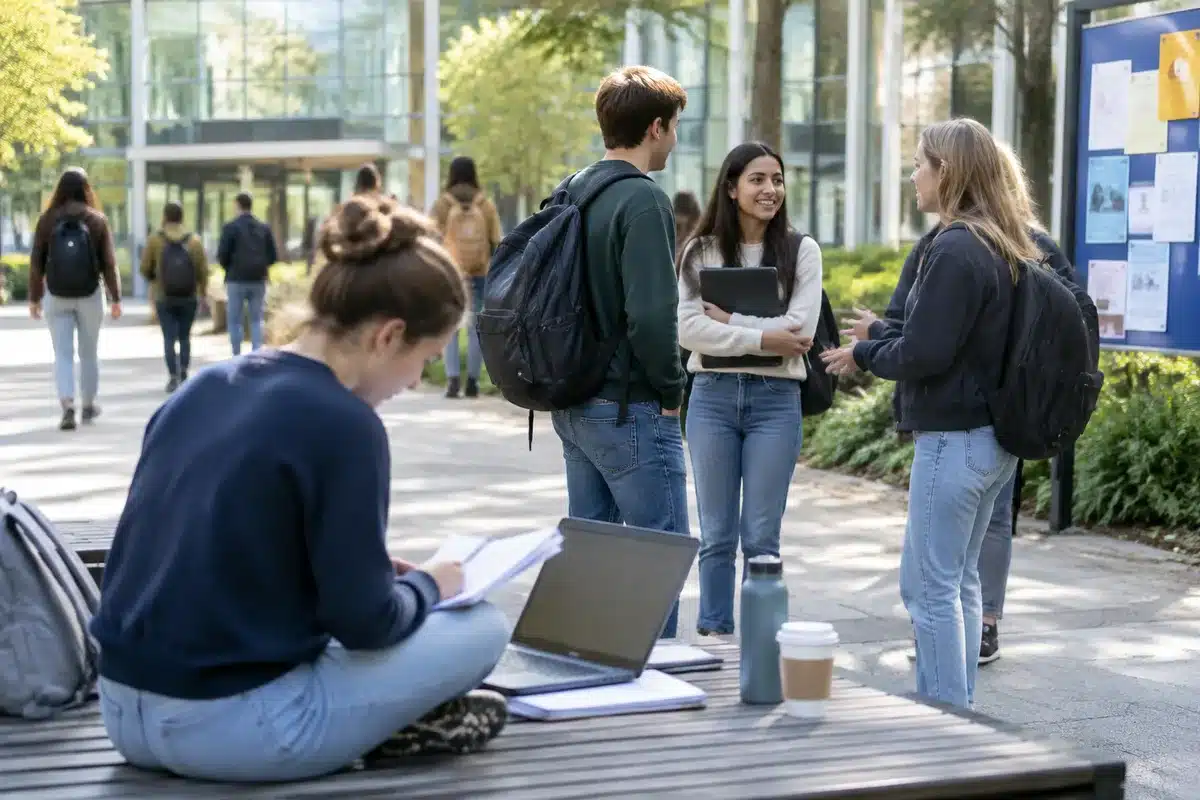
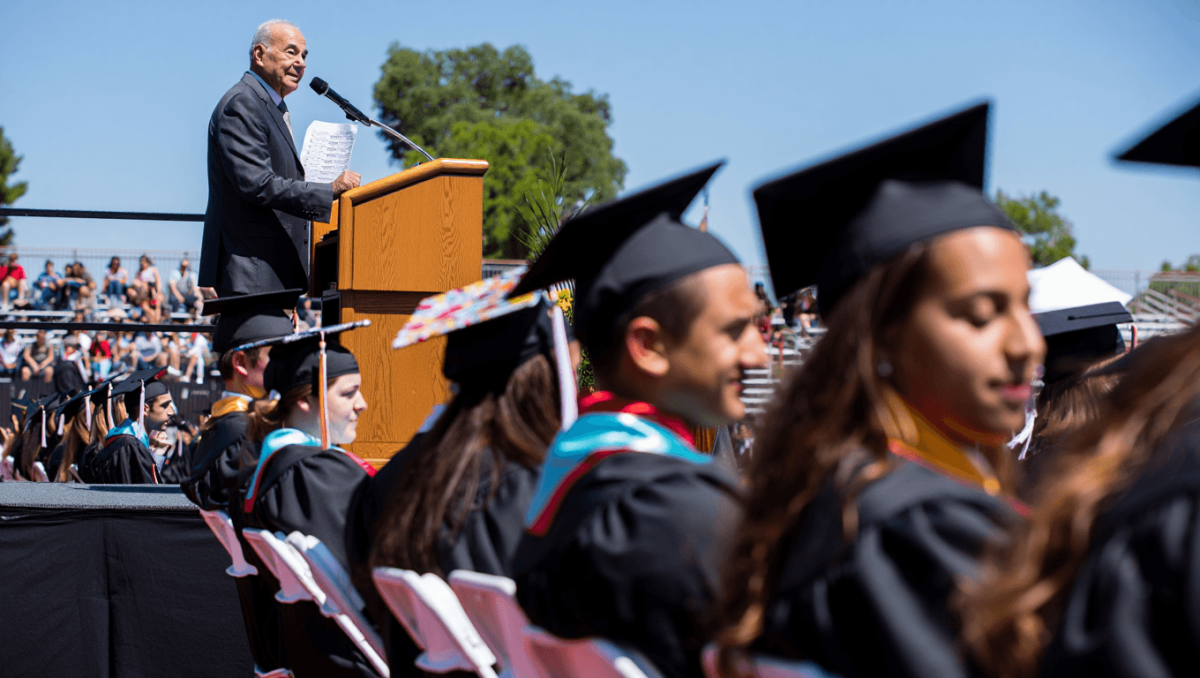
Cal Poly graduates will hear familiar, human voices called to the stage next week: veteran announcers will read names in person rather than an automated system. The choice comes after a spate of publicized errors with AI name-readers and reflects growing attention to accuracy and dignity at commencement ceremonies.
Veteran announcers return to the mic
Among those scheduled to announce is voice actor Jamieson Price, widely recognized for his work in major video game franchises, who will join longtime Cal Poly announcer David Markus. The pair have handled commencement name-calling for the university for more than a decade and are expected to share duties as graduates collect diplomas.
Roberto Hernandez, an animal science senior, said he was relieved to learn the university would not use an automated system after hearing about other schools’ problems. “You wouldn’t expect a video game announcer to do that,” he noted, underscoring the surprise and reassurance some students feel when names are given care by real people.
Christa Pike released from hospital after failed execution, attorneys say
Dolly Parton tribute drives Madonna Inn crowds: steakhouse unveils limited menu
Why this matters now
Recent incidents at other institutions, where AI systems mispronounced or garbled graduates’ names, have prompted scrutiny. For families and students, a correctly spoken name is more than protocol — it’s a moment of recognition that many consider essential to the ceremony.
Cal Poly officials and the announcers say they treat the task seriously, viewing it as a small but meaningful ritual that marks a major milestone.
- Who will announce: Jamieson Price and David Markus, experienced human announcers.
- Why it matters: Human readers reduce the risk of mispronunciations and preserve the ceremony’s personal tone.
- Context: Several recent commencement events using AI voice systems produced mistakes that sparked criticism.
- Where to find details: Schedules, livestream information and ceremony logistics are available on Cal Poly’s commencement page.
Announcers and university staff also point out practical limits of current automated systems: they can struggle with uncommon names, multicultural pronunciations and unexpected variations. A seasoned human announcer can adapt on the fly, check pronunciations beforehand and respond to last-minute changes.
For graduates and families, the decision to keep live announcers is likely to be viewed as an effort to preserve respect and accuracy during a fleeting, high-stakes moment. Whether heard in person or online, the call of a name remains the ceremony’s central beat.