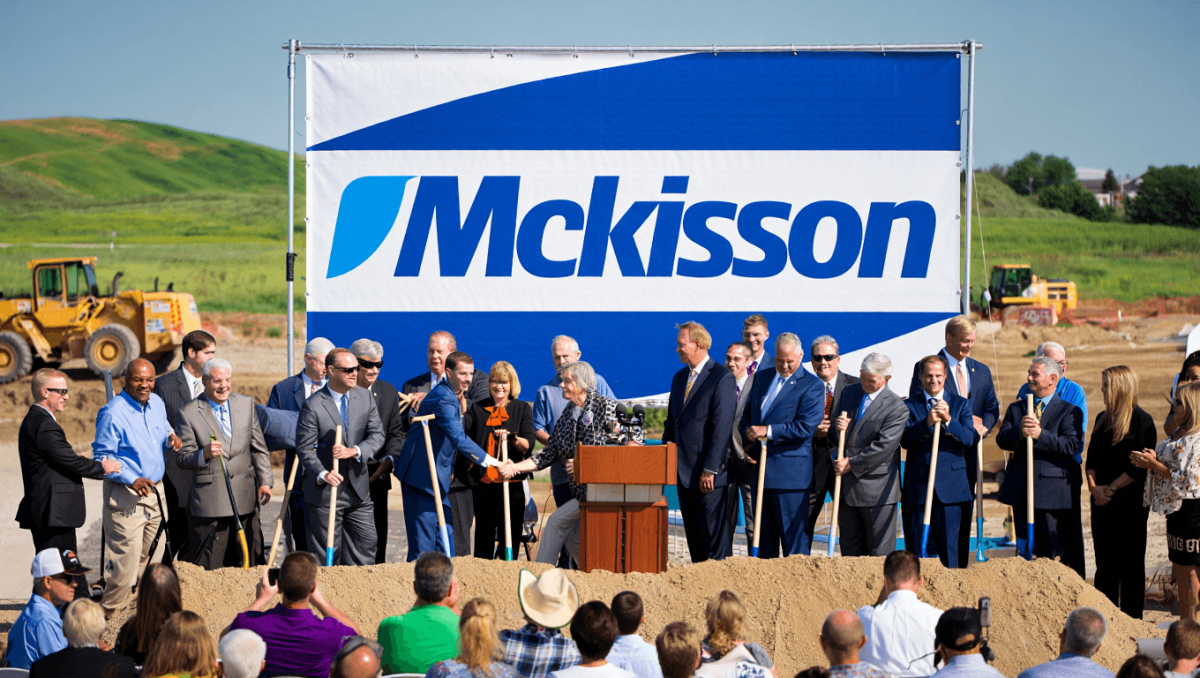
McKesson has picked Moore as the site for a new distribution facility, a development that could alter local job markets and the region’s role in healthcare logistics. The announcement, made this week, underscores how major distributors are reconfiguring networks to deliver medical supplies faster and more reliably.
The chosen location positions Moore closer to major highways and population centers, making it practical for expedited deliveries to hospitals, clinics and pharmacies across the region. For residents and local officials, the decision promises economic activity but also raises questions about traffic, zoning and public services.
Why this matters now
McKesson’s move reflects a broader industry shift: companies that manage medical products are concentrating on shorter, regional supply lines to reduce lead times and buffer against national disruptions. That trend has implications for how quickly clinics receive critical items and how resilient the overall system becomes during emergencies.
Christa Pike released from hospital after failed execution, attorneys say
Dolly Parton tribute drives Madonna Inn crowds: steakhouse unveils limited menu
Local economic effects
City leaders are likely to see immediate fiscal benefits if the project proceeds — from property and sales taxes to construction spending. At the same time, there will be demand for infrastructure upgrades and workforce development to support operations.
Potential community impacts include:
– Increased employment opportunities, from construction to warehouse and logistics roles
– Greater demand on roads and local utilities during construction and ongoing operations
– New private investment that can broaden the city’s industrial tax base
– Pressure on housing and public services if the facility attracts additional workforce
Operational and sector implications
For McKesson, a regional distribution hub can shorten delivery windows and lower transportation costs per shipment. For healthcare providers, the closer proximity could mean steadier supply of routine items and faster emergency restocking. The choice of Moore also signals continued private-sector confidence in investing in physical logistics capacity after recent supply-chain upheavals.
What to watch next
City permitting, environmental reviews and final financing will determine whether the project advances on schedule. Local officials and McKesson will likely provide more specifics on timeline, expected headcount, and the facility’s footprint as plans move from concept to construction.
Stakeholders who will play a role
– Local government: approvals and infrastructure planning
– McKesson: site development and operational rollout
– Workforce agencies: training and recruitment partnerships
– Neighbors and community groups: public input on traffic and land use
If the plan proceeds smoothly, the facility could be operational within a typical 12–24 month development window, though that estimate depends on approvals and construction timelines. The broader takeaway: as healthcare distributors retool for faster, regionally focused delivery, communities that win sites can expect both opportunity and challenges.