Show summary Hide summary
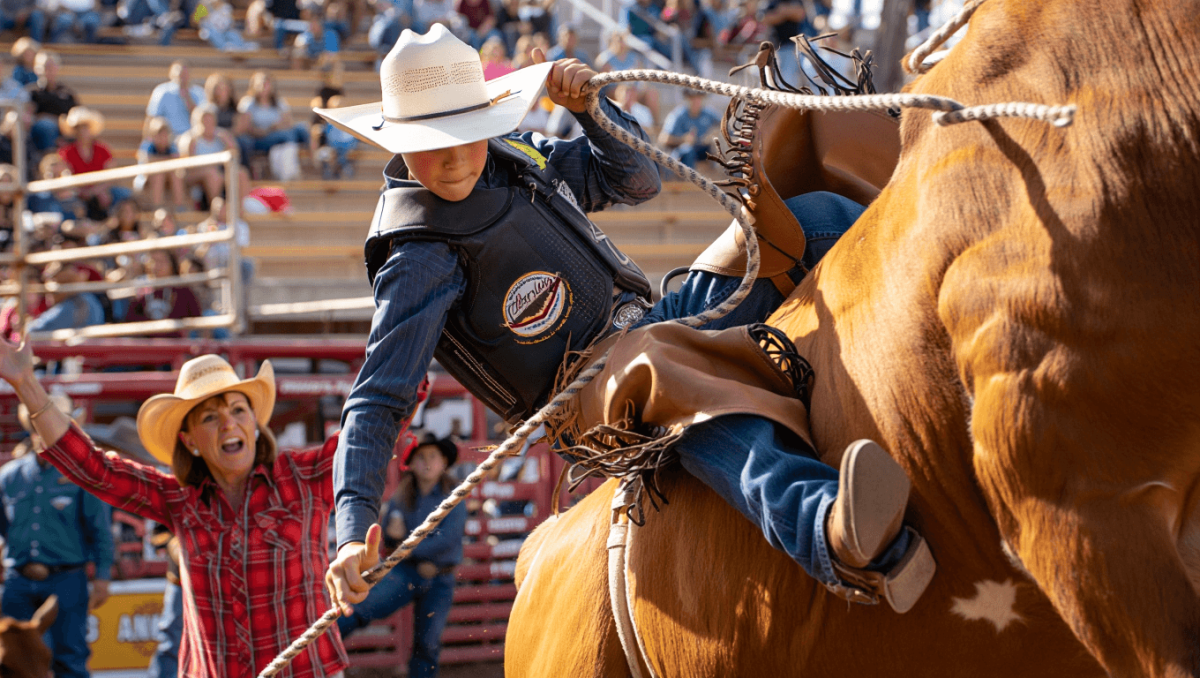
At Cal Poly, rodeo is often a family affair: students arrive already fluent in the rhythms of the arena because their parents, aunts or uncles once competed on the same team. That multi-generational thread is visible across the roster this season and shapes everything from recruitment to the campus livestock program.
Founded in 1939, Cal Poly Rodeo has grown into a program with more than 100 members, yet the presence of legacy families remains strong. Anna Grace Durham, the team’s media manager, says 11 current athletes come from families with prior ties to the program — a statistic that helps explain why the team’s culture feels as much inherited as taught.
Roots on campus
For some students the connection to Cal Poly Rodeo is literal: their relatives still work the grounds. Ethan Lazanoff, who competes in team roping, calf roping and steer wrestling, grew up around the campus herd — his father now manages the university’s cowboy beef unit. Ethan’s parents and uncle all competed for Cal Poly; that continuity influenced his choice to enroll and compete.
Christa Pike released from hospital after failed execution, attorneys say
Dolly Parton tribute drives Madonna Inn crowds: steakhouse unveils limited menu
Vince Nino, a tie-down and team roper, sums up a common feeling: rodeo was part of his life before he could remember. Several family members — cousins, aunts, uncles and his father — attended Cal Poly, and Vince is sharing the arena with a younger cousin this year. For him, acceptance to Cal Poly was a milestone in a long family story rather than a fresh start.
Continuing legacy, chasing titles
Some legacies bring accomplishments that set expectations. Caleb Carpenter, a senior who rides in team and calf roping events, follows a father who captured a national team roping title in 1984. Carpenter says he came to Cal Poly because of the opportunities and community his father described; competing feels like carrying forward that achievement and the values it represents.
Lacey Lewis, who competes in breakaway, team roping and barrel racing, points to a different inheritance: relationships. Her mother and older sister both rodeoed for Cal Poly and remain involved as alumni, and Lacey describes the team as an extension of family that newcomers quickly adopt.
What legacy means for the team
The multi-generational nature of the program has practical consequences beyond nostalgia. Legacy athletes often bring early skills and familiarity with livestock care, easing their transition into the rigors of collegiate rodeo and contributing to the team’s continuity of knowledge.
- Skill transfer: Young riders arrive with years of informal training and a working knowledge of ranch life.
- Recruitment and retention: Family ties often guide decisions to enroll and stay involved in the program.
- Institutional memory: Longstanding relationships help preserve traditions and maintain campus ranch operations.
Inside team culture
Despite growth, teammates say the atmosphere remains collaborative. Riders from legacy families describe a community where peers mentor newcomers, echoing how previous generations helped them. That peer support — rather than competition alone — is a recurring theme across interviews with team members.
For many, the team offers social networks that extend beyond competition. Alumni friendships formed through rodeo become part of family lore, and current athletes often speak of making their own extended family on campus, a factor that keeps graduates engaged with the program.
The next generation
Most of the athletes interviewed expressed a desire to pass the experience on. Whether through sharing stories, helping children learn to ride or simply keeping the ties to Cal Poly alive, they view their time on the team as a legacy they hope will continue.
That expectation — that the rodeo community will reproduce itself — explains why the program remains a stable pipeline for students who already feel at home in the arena: Cal Poly Rodeo not only trains competitors, it helps preserve a way of life.
Profile snapshot
- Ethan Lazanoff — team roping, calf roping, steer wrestling; family members on both the rodeo and livestock judging teams; father manages the cowboy beef unit.
- Vince Nino — team roping, tie-down roping; multiple relatives attended Cal Poly; competing alongside a cousin this season.
- Caleb Carpenter — team roping, calf roping; follows a father who won a national team roping title in 1984.
- Lacey Lewis — breakaway, team roping, barrel racing; mother and sister are former Cal Poly rodeo competitors and remain involved as alumni.