Show summary Hide summary
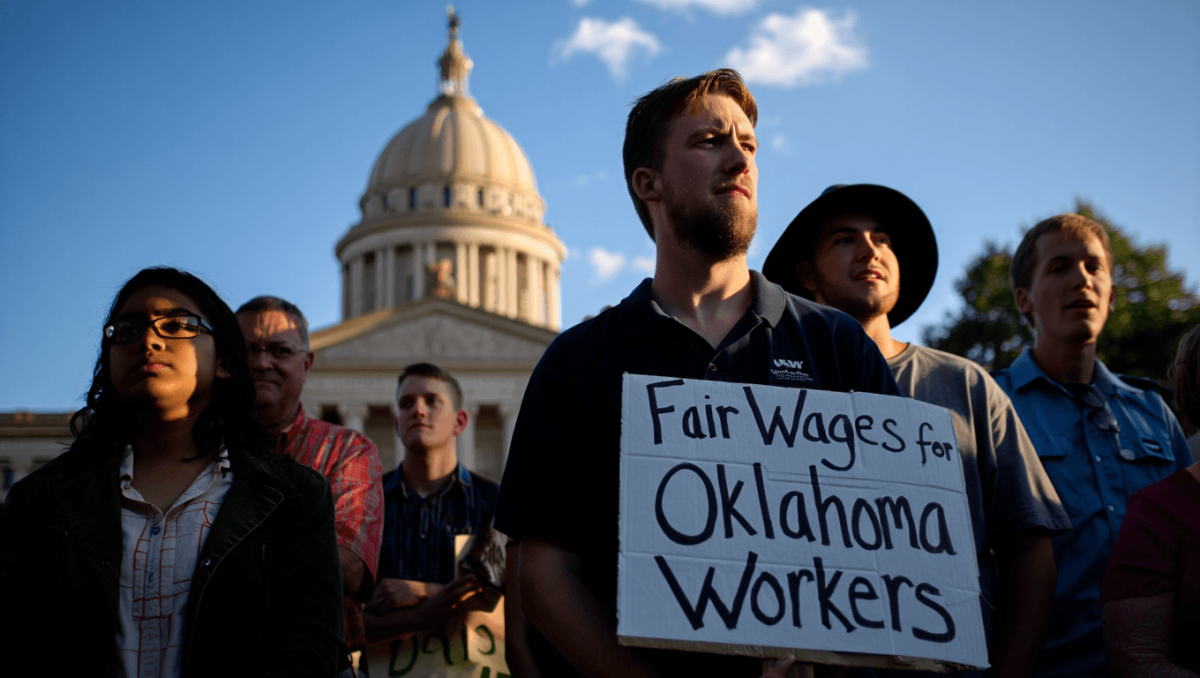
Oklahoma voters have rejected a recent ballot question to raise the state’s minimum wage, dealing a setback to labor advocates who argued the change was needed to keep up with rising costs. The vote leaves the current wage framework intact and shifts the debate back to lawmakers and organizers about how to pursue higher pay for low-wage workers.
The outcome matters now because it directly affects thousands of households and signals how receptive Oklahoma’s electorate is to wage-policy changes ahead of upcoming legislative sessions. Supporters must decide whether to regroup around a revised ballot approach, press legislators for a statutory increase, or focus on local initiatives where possible.
Immediate implications for workers and employers
For employees earning near the minimum, the decision means no immediate increase in take-home pay. For businesses, particularly small employers, it maintains the predictable cost structure they cited during the campaign.
Christa Pike released from hospital after failed execution, attorneys say
Dolly Parton tribute drives Madonna Inn crowds: steakhouse unveils limited menu
Advocates framed the ballot proposal as a response to long-term erosion in purchasing power, while opponents warned of potential price pressures and hiring impacts. With the measure defeated, both sides are positioning for the next round of political and policy debates.
What this result signals politically
The failure of the measure highlights several political dynamics at play in Oklahoma. Voter turnout patterns and regional variations likely shaped the outcome, and conservative-leaning constituencies tended to favor fiscal restraint on mandates for private businesses.
At the same time, the campaign energized supporters who may retool their messaging and strategy, emphasizing phased increases, exemptions, or targeted boosts for certain sectors. The result will be used by both sides as a talking point in statehouse races and advocacy drives.
Longer term, the vote could influence how proposals are written: measures that offer a gradual phase-in or carve-outs for small businesses sometimes win broader support than blunt, immediate hikes.
Next steps: options on the table
After the defeat, advocates and officials are weighing alternative routes to raise wages. None are guaranteed, and each carries trade-offs in political feasibility and speed.
- Legislative action: Persuading the Oklahoma Legislature to adopt a statutory increase would require coalition-building across rural and urban districts and likely concessions to win sufficient votes.
- Future ballot initiatives: Campaigners may try again with a redesigned measure that addresses concerns raised this cycle; success often depends on clearer language and broader outreach.
- Local policies: Where state law permits, cities and counties could adopt targeted wage policies or incentive programs to assist low-income workers.
- Employer-led solutions: Some companies may choose to raise pay voluntarily to attract workers in tight labor markets, bypassing the political route entirely.
Context and wider consequences
Minimum wage debates in Oklahoma mirror a national conversation about income, inflation and the role of government in labor markets. The state’s decision will be read by policymakers, business groups and advocacy organizations as a gauge of public appetite for mandated wage increases.
Practically, the outcome affects household budgets, consumer spending and the local labor market. Economists differ on the magnitude of such effects, but the policy direction — or lack of change — matters for families balancing rent, healthcare and education costs.
For voters, the result also underscores the importance of ballot wording, outreach to rural precincts, and timing. Campaigns that attach wage increases to broader cost-of-living provisions or phase-in schedules sometimes find more traction, a lesson likely to shape future attempts.
Whatever the next move, the debate over minimum wage in Oklahoma is far from settled. Expect renewed proposals, strategic pivots by both sides, and close attention from activists and lawmakers as the state heads into a new political cycle.