Show summary Hide summary
British prime minister Keir Starmer announced Monday that he will step down as leader of the ruling Labour Party, a decision that cuts short his time at No. 10 amid mounting internal pressure and poor results in recent local elections. The move immediately sets in motion a leadership change that could reshape government policy and the timetable for Britain’s next national contest.
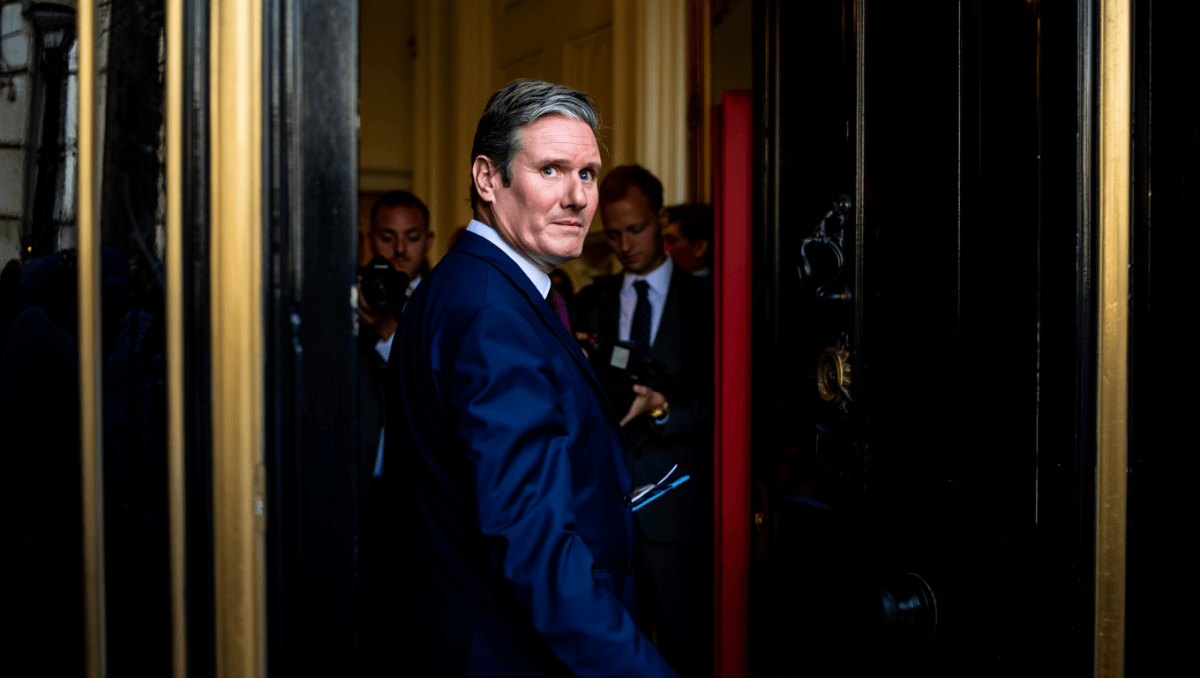
At a brief statement outside his official residence, Starmer said he had accepted his party’s verdict and would resign as leader, paving the way for a successor to take over as prime minister. He spoke of putting family first after stepping down and pledged to give his successor his full support.
What forced the resignation
The immediate catalyst was dwindling confidence within Labour after a heavy set of losses in early May local ballots, when the party ceded hundreds of council seats and lost control of the Welsh legislature it had held for decades. That electoral setback intensified questions about Starmer’s leadership and strategy.
Christa Pike released from hospital after failed execution, attorneys say
Dolly Parton tribute drives Madonna Inn crowds: steakhouse unveils limited menu
Pressure increased when a high-profile rival—former Manchester mayor Andy Burnham—returned to Parliament last week by winning a constituency seat, making him eligible to lead from the House of Commons. Burnham quickly declared his intention to seek the party leadership, a move that left Starmer’s position increasingly difficult to defend.
Cabinet resignations added to the strain: most notably the departure of Defence Secretary John Healey over disagreements on defence spending, followed by other departures during Starmer’s time in office. Overall turnover in ministerial ranks had been unusually high during his tenure.
Andy Burnham moves to the fore
Burnham’s return to the Commons removed a practical barrier to his leadership ambitions and made him the most visible challenger inside Labour. Long known for his regional profile in northern England, he has said the party must respond to widespread voter frustration and that the recent victory for his seat could be a turning point.
While other candidates briefly signaled interest in contesting the leadership, several have signalled willingness to back a single nominee to avoid a protracted fight. If Labour members and MPs coalesce around Burnham, he could be installed as leader—and thus prime minister—without a full internal ballot.
How Britain gets a new prime minister without a general election
Under the UK parliamentary system, the public elects MPs, not the prime minister directly. When a governing party has a majority in the House of Commons, it can change its leader at any time; the new party leader normally becomes prime minister immediately after the party’s internal process concludes.
That means the country can see a new premier without a nationwide vote. But a new leader often faces calls to seek a fresh mandate from the electorate, and critics may demand a general election to confirm public support.
- Immediate timeline: If Labour agrees a single successor without a contest, the handover could occur within weeks—potentially by July.
- If there is a contest: A full leadership election would likely conclude by Parliament’s return in September after the summer recess.
- Political stakes: The new leader will face early tests on immigration, energy policy, defence spending and party unity.
Why this matters now
Starmer’s resignation comes less than two years after Labour’s decisive national victory in 2024, underscoring how quickly political fortunes can shift. For voters, the change raises immediate questions about policy direction, stability and whether a fresh general election will be called to settle competing claims to public support.
International reaction has already surfaced: former U.S. president Donald Trump posted criticism on his social platform about Starmer’s record on immigration and energy, then offered his well wishes—an example of how the leadership change has attracted attention outside Britain.
Labour will now begin a formal process to choose its next leader. For observers and markets alike, the weeks ahead will be a test of how rapidly the party can knit itself back together and whether the incoming leader can regain momentum before the next national ballot.
Watch points in the coming days: who formally stands for the leadership, whether MPs and party members push for an uncontested succession, and whether the new leader moves quickly to call a general election or seeks to govern until the next scheduled vote.