Show summary Hide summary
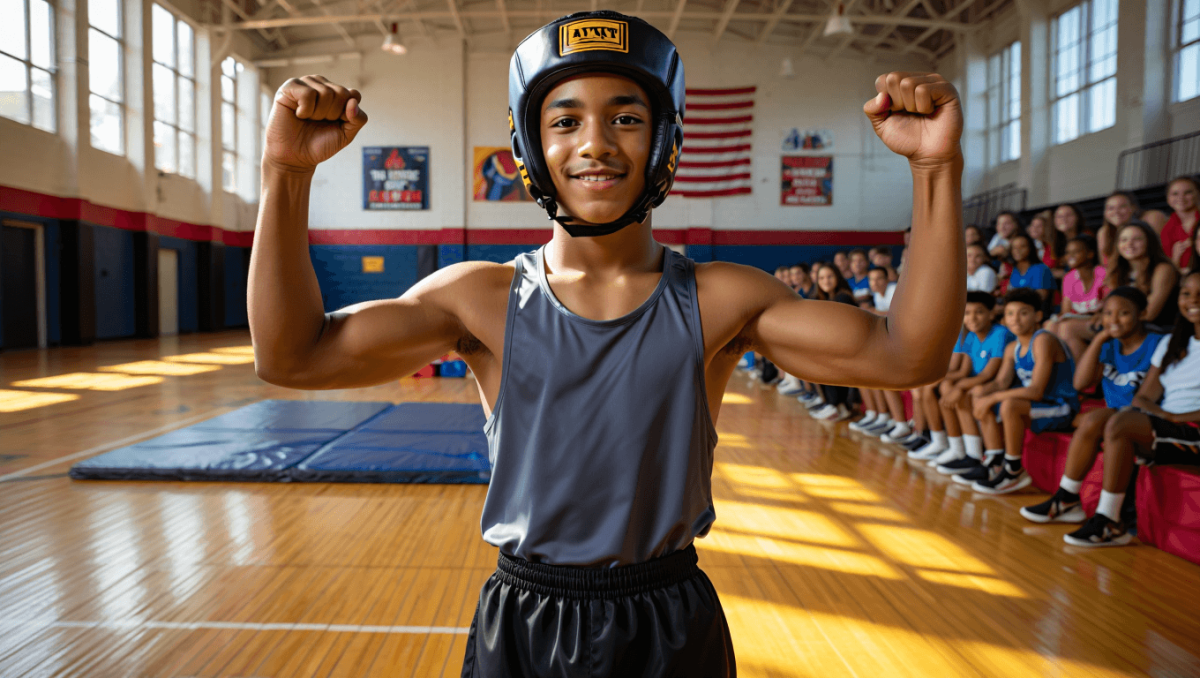
In Oklahoma City, John Marshall Enterprise High School has begun awarding elective credit for a mixed martial arts course that aims to teach students self-control, focus and real-world skills beyond traditional classroom work. At a time when schools nationwide are rethinking disciplinary approaches, the program offers a hands-on alternative to suspension and detention, using sport and mentorship to keep students engaged.
School leaders brought the course to campus through the Come Up Foundation, a nonprofit that provides free MMA training and guidance to young people from underserved neighborhoods. Principal Rachelle’ Conner says the class is intended to equip students with tools they will use long after graduation — not just physical technique, but habits of mind that support success in school and life.
From the gym to the classroom
The program operates as an elective, giving participating students school credit while they train. Coaches work on striking, grappling and conditioning, but instructors emphasize structure, respect and consistency as equal components of each session.
Christa Pike released from hospital after failed execution, attorneys say
Dolly Parton tribute drives Madonna Inn crowds: steakhouse unveils limited menu
Emmanual Rivera, founder and executive director of the Come Up Foundation, traces his motivation to personal experience: he credits the sport with helping him escape substance use and street involvement and says it taught him resilience. Rivera describes the curriculum as deliberately focused on incremental improvement — a practice of getting just a little better every day.
Students say that focus is contagious. Javaury McCauley, who completed the course, told school staff he originally feared training would make him more aggressive; he found the reverse to be true. Inside the gym, he said, peers and coaches form a tight-knit support network.
- Discipline: structured drills and routines that reward punctuality and effort
- Resilience: controlled physical challenge that builds confidence under stress
- Community: mentorship and peer accountability that reduce isolation
- Academic alignment: counted as an elective to connect extracurricular growth with school progress
Early results and school impact
John Marshall’s first class to complete the MMA elective graduated in May. Conner said students in the program have shown dramatic personal growth — in some cases outpacing gains seen in conventional tutoring or mentoring programs. She frames the work as more than sport: it’s about preparing young people to function responsibly in society.
The program’s advocates say the benefits extend beyond individual students. By creating positive relationships between pupils and adults who are not strict academic evaluators, the course opens new lines of trust and support within the school community.
Plans to grow
Rivera and his team want to expand the model to additional schools across Oklahoma City and beyond. That will require fundraising to recruit and train more coaches and to scale the mentorship framework that underpins the training sessions. For the foundation, success means replicating the program in multiple campuses so it can reach more youth in neighborhoods that need alternatives to punitive discipline.
As schools look for ways to boost engagement and reduce behavioral suspensions, John Marshall’s experiment offers a case study in how athletics structured around mentorship can serve both educational and social goals. Whether the approach spreads will depend on resources, local buy-in and measurable student outcomes — but for now students and staff describe the program as a rare example of class credit tied to meaningful personal development.