Show summary Hide summary
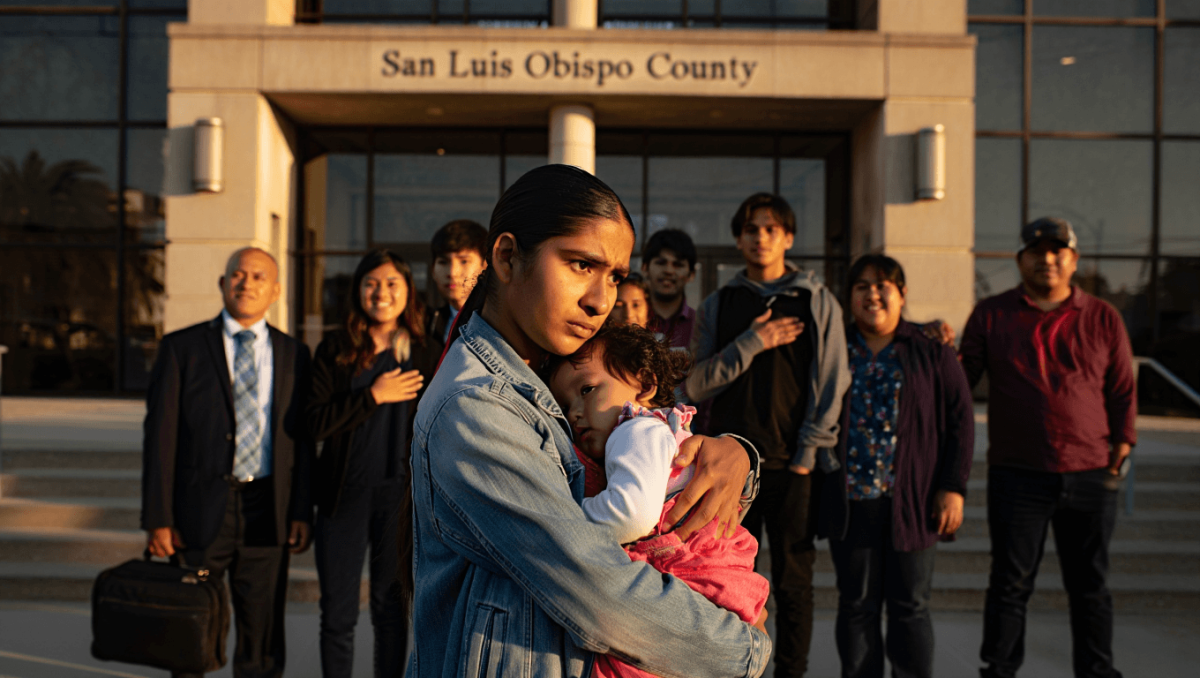
San Luis Obispo County supervisors voted 3-2 on Tuesday to commit $100,000 from the general fund to local aid for children and families affected by immigration enforcement, and to adopt formal limits on federal agents’ use of county property. The measures aim to reduce fear in immigrant communities and require clearer legal process before federal officers enter non-public county spaces.
What the board approved
The board’s actions included a direct cash allocation and a set of procedural commitments meant to curb federal access to county facilities.
Christa Pike released from hospital after failed execution, attorneys say
Dolly Parton tribute drives Madonna Inn crowds: steakhouse unveils limited menu
- Allocation of $100,000 to the SLO County Children’s Fund through the Community Foundation’s “Fueling a Vibrant Immigrant Future” grant.
- A policy to require a federal judicial warrant before federal agents may enter non-public county areas.
- An agreement opposing federal commandeering of county property and a directive to review the Sheriff’s Office database on inmates released to federal immigration authorities under SB 54.
Money and dissent
The funding, drawn from the county’s general fund, passed on a 3-2 split. Supervisors John Peschong and Heather Moreno voted against the appropriation, citing budget pressures and questioning the timing of a new expenditure during a constrained fiscal year.
Supporters argued the grant will go to organizations already serving immigrant families and that even a modest sum can ease immediate needs for children affected by enforcement actions.
Limiting federal presence
Supervisors who backed the policy said it is intended to make county positions clear and to protect local resources from being used by outside agencies without judicial oversight.
The County Counsel’s Office explained that while federal agencies lack the authority to seize county buildings outright, a written policy would make the board’s opposition explicit and set operational expectations for county staff.
One supervisor described the move as a necessary clarification so county resources and spaces are not used for immigration enforcement without proper legal process.
Findings from the ad hoc immigration task force
The board formed an ad hoc task force after a January forum that drew hundreds of residents concerned about cooperation between the Sheriff’s Office and federal immigration authorities. The task force compiled input from county departments and partner organizations and presented its conclusions at Tuesday’s meeting.
Among the findings: county behavioral health officials reported higher levels of anxiety, absenteeism and fear among students. However, the task force did not identify an increase in unaccompanied minors or formal reports to child welfare alleging caregivers were taken in coordinated operations.
Anecdotal testimony underscored the local impact. A former middle school teacher said he left his post after administrators blocked certain classroom discussions about immigration and related bullying. He recounted a student who had begun taking on adult household responsibilities out of fear his parents could be detained.
Community organizations flag funding and trust gaps
In partnership with the Community Foundation, the task force surveyed 55 immigrant-serving organizations. The survey highlighted two consistent barriers:
- Funding shortfalls: Many groups said limited financial support constrained outreach and direct services.
- Weak institutional trust: Respondents described caution and uncertainty among immigrant residents toward county agencies.
County leaders noted the task force did not conduct direct surveys of immigrant residents; instead, they relied on the organizations’ insights to shape recommendations and immediate actions.
Officials framed the board’s votes as an effort to reduce community fear, improve clarity on when federal officers can access county spaces, and channel resources to groups serving vulnerable children. Opponents emphasized fiscal restraint and questioned the county’s role in funding those services directly.
How this plays out will depend on how the grant is distributed and whether the new policies change daily interactions between federal agents, county staff and the immigrant community. For now, the board’s actions send a clear signal of local intent to protect county spaces and support families affected by immigration enforcement.