Show summary Hide summary
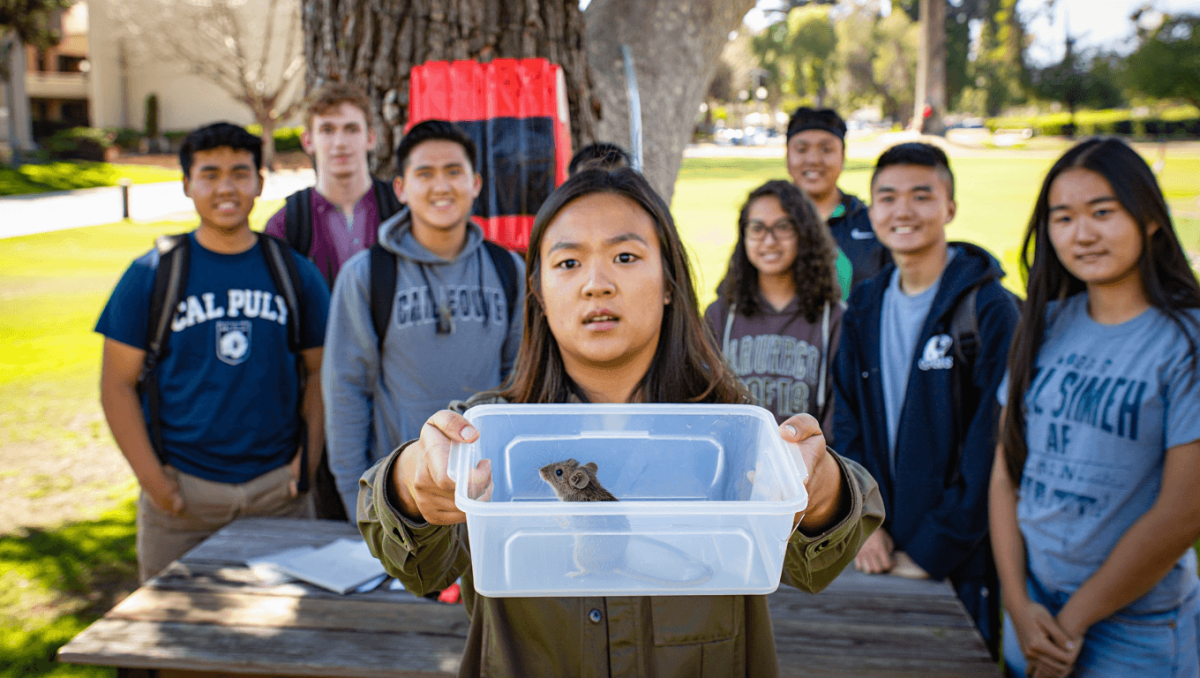
Students and wildlife rehabilitators at Cal Poly have cataloged hundreds of rodenticide bait stations across campus, a discovery that raises fresh questions about ecological harm and public safety. A student-led mapping effort has recorded 464 devices since November 2025 and is pushing the university to locate, remove and rethink pest control methods before more wildlife—or people—are exposed.
How the issue surfaced
Last fall a professor in the natural resources and environmental sciences program noticed clusters of bait boxes around campus and alerted sustainability and facilities staff. After weeks of exchanges, university personnel acknowledged that pest-control contractors are supposed to remove temporary materials at the end of contracts—but that practice has not been consistently enforced.
The facilities landscaping team framed their priority as keeping campus safe and sanitary and said they continue to use conventional tools, including rodenticide stations, while evaluating alternatives.
Christa Pike released from hospital after failed execution, attorneys say
Dolly Parton tribute drives Madonna Inn crowds: steakhouse unveils limited menu
Who oversees pest control on campus?
Cal Poly’s pest management is fragmented: several departments and auxiliary units contract their own vendors. According to a university spokesperson, that decentralized system means there is no single inventory tracking where bait stations have been placed.
Facilities representatives say they meet regularly with the current contractor to review performance and compliance. The university also told student reporters that previous vendors were instructed to remove bait stations within 30 days of a contract ending.
- Documented devices: 464 bait stations recorded by the Wildlife Club since Nov. 2025
- Contractor on record: Orkin holds a general campus contract starting Jan. 1, 2025, and a separate University Housing contract from Aug. 1, 2024
- Brands observed: Orkin plus Western, Terminix, Protecta LP, TOMCAT, Ecolab and several unidentified boxes
- Labeling gaps: 33 of the documented boxes lacked manufacturer labels
- Removal requirement: Facilities say prior contractors were told to remove bait boxes within 30 days after contract termination
The student mapping project
Members of the campus Wildlife Club began systematically mapping bait stations after being shown the initial findings. Using ArcGIS, students photographed devices, recorded precise locations and noted context—such as proximity to trash enclosures, storm drains or running water—to help identify patterns.
Club leaders say the goal is practical: provide the university with clear data so pest control actions target causes (overflowing waste, food sources) rather than only treating symptoms with poisons.
Students assigned to survey zones reported finding bait stations placed in visible, easily accessible spots and dozens with no identifying labels—a potential problem under the Federal Insecticide, Fungicide, and Rodenticide Act, which requires product labeling with manufacturer information and use directions.
Wildlife and public-health concerns
Rehabilitators working with the Pacific Wildlife Care Center have linked a spike in raptors and other predators showing poisoning symptoms with the increased use of campus bait stations. Unlike mechanical traps that capture animals, many bait stations deliver toxicants designed to kill after ingestion; affected rodents often move offsite and die days later.
Industry and regulatory sources indicate that one commonly used compound in enclosed bait stations is bromethalin, a non-anticoagulant rodenticide. The specific active ingredient should be listed on product labels to guide emergency treatment; however, the club’s finds included unlabeled units.
State monitoring reinforces the local concern. A 2024 report from the California Department of Fish and Wildlife found widespread exposure to anticoagulant rodenticides in tested wildlife: 29 of 54 raptors and 75 of 97 mammals showed evidence of exposure.
Wildlife-care staff warn that predators—foxes, coyotes and birds of prey—can accumulate toxic compounds by eating contaminated rodents. The center’s staff have increasingly observed birds and mammals with signs consistent with rodenticide exposure and oppose indiscriminate use of these products.
University response and next steps
In response to the student survey, university facilities said they are actively removing identified bait stations and working with service providers to address the issue. The campus contract with Orkin includes specific responsibilities for removing temporary structures and disposing of materials safely.
Students and faculty pushing the project want the university to go beyond cleanup: address root causes like inadequate trash management, adopt integrated pest management strategies, and establish a centralized inventory of pest-control placements and removals.
Policy context is shifting. California’s Poison-Free Wildlife Act, effective Jan. 1, 2025, tightened restrictions on certain anticoagulant rodenticides in the state, a backdrop the club cites in urging alternatives to toxic bait.
“We’re aiming for an evidence-based change,” said the project leader. “Clear documentation, better waste handling and safer control methods are what will protect wildlife—and people—most effectively.”
The university indicated it welcomes community input as it reviews pest management practices and compliance with contract terms.