Show summary Hide summary
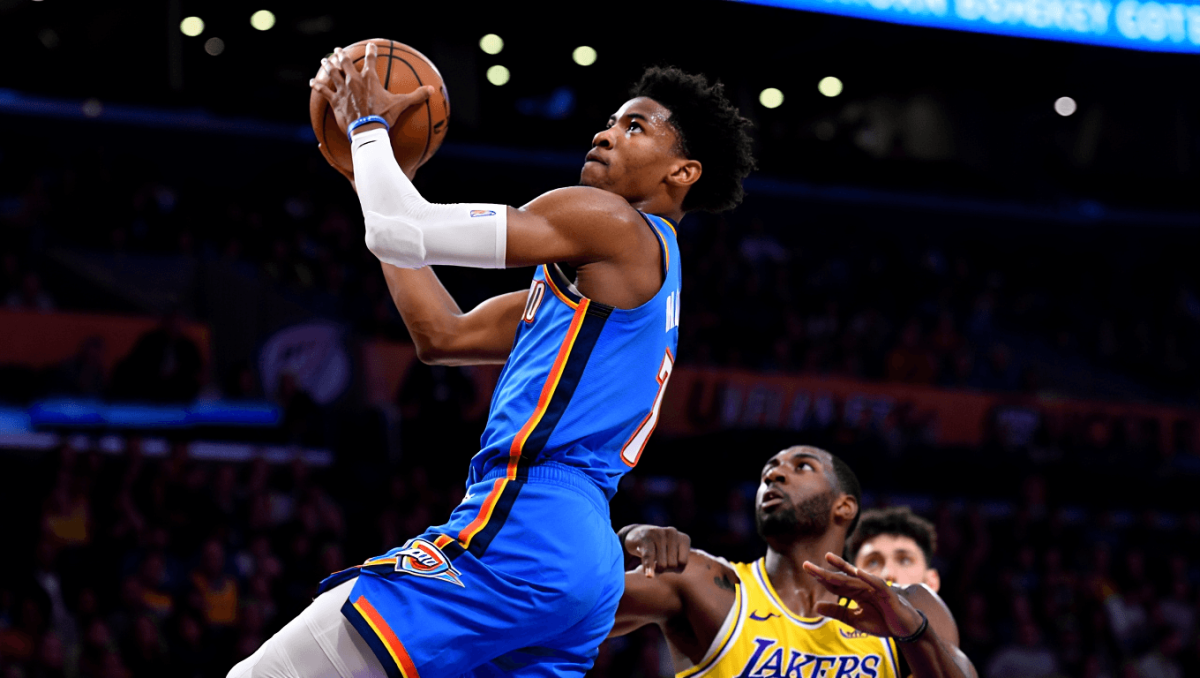
As the Oklahoma City Thunder have run through the Suns and Lakers in the 2026 playoffs, city leaders and businesses are counting the gains — and weighing an odd downside. Dominant, quick series lift hotel occupancy and tax receipts in the short term, but fewer home games per matchup could reduce the number of downtown events that normally pad local coffers.
The Thunder completed clean series wins over Phoenix and Los Angeles in the first two rounds, a different pattern from parts of last year’s postseason. In 2025 the team swept Memphis but also endured multi-game battles — including series that went the distance against Denver and Indiana — producing more home dates and more opportunities for local spending.
City officials say the difference is measurable. After last season’s playoff run and the NBA Finals appearances, summer sales-tax receipts in Oklahoma City rose roughly 12 percent, and municipal leaders credited the playoff calendar with helping stabilize revenues during a rocky stretch. City Manager Craig Freeman singled out the extra nights at hotels and fuller restaurants as direct benefits for the municipal budget.
Christa Pike released from hospital after failed execution, attorneys say
Dolly Parton tribute drives Madonna Inn crowds: steakhouse unveils limited menu
What’s at stake for downtown businesses
Short series mean fewer nights with arenas full of visiting fans, broadcasters and regional media. For merchants and hospitality operators, that can translate into lost transactions that add up quickly across a postseason.
- Hotel demand: Shorter series cut the number of out-of-town room nights and reduce corporate bookings tied to playoff travel.
- Restaurant and bar sales: Early exits for visiting teams lower foot traffic and group dining revenue near Paycom Center.
- Tax receipts: Sales and hospitality taxes rise with longer series; concentrated wins can boost receipts unevenly.
- Merchandise and fan events: Fewer home games limit downtown retail spikes and in-person appearances by local superfans.
- Public services funding: City leaders say increased postseason revenue helped cover staffing costs for safety and sanitation during busy months.
Those figures matter because they affect budgeting for core services. But they also collide with a simpler civic instinct: most officials and fans prefer championships over occasional extra home dates.
Can winning too much be a problem?
It’s an awkward question: is it bad for Oklahoma City if the Thunder keep finishing series quickly? Mayor David Holt, who wrote about the franchise’s arrival in the city, made the calculation explicit — the administration would rather have a team that wins everything, even if that means hosting fewer games overall.
Holt noted the economic boost from playoff success was important but secondary to the value of a championship. In his words, the city welcomes the financial benefits but would not trade titles for a few extra ticketed nights.
Not everyone is unconcerned. Some season ticket holders and downtown merchants — speaking off the record — say more home games produce more steady income for small businesses that rely on predictable playoff schedules. Still, those same fans generally agree that a title run matters most.
There are variables that could change the dynamic. The Thunder were short-handed in several regular-season losses to the San Antonio Spurs, and team health has been a recurring factor this spring. Reports indicate Jalen Williams is progressing on a hamstring issue and could be available for the Western Conference Finals, which would strengthen Oklahoma City’s odds of continuing their dominant stretch.
Even as conversations swirl about local impacts, the idea of intentionally losing to protect municipal revenue is not seriously entertained by officials or supporters. Competitive integrity and the team’s pursuit of a championship remain the overriding priorities.
Looking ahead
Whether the Thunder keep closing series quickly or face longer battles on the road, the larger lesson for Oklahoma City is the volatility of event-driven revenue. A dominant postseason delivers big, concentrated payoffs; extended series spread benefits over more dates but are less dramatic.
For now, civic leaders seem ready to accept the trade-offs. As Mayor Holt put it, the city will take the wins — and the championship — even if it means fewer nights of downtown economic activity.
With the Western Conference Finals approaching and the team trending healthy, the coming weeks will show whether Oklahoma City’s boom from the playoffs is a concentrated windfall or a stretched, steady gain. Either way, local officials and businesses will be watching each game closely.