Show summary Hide summary
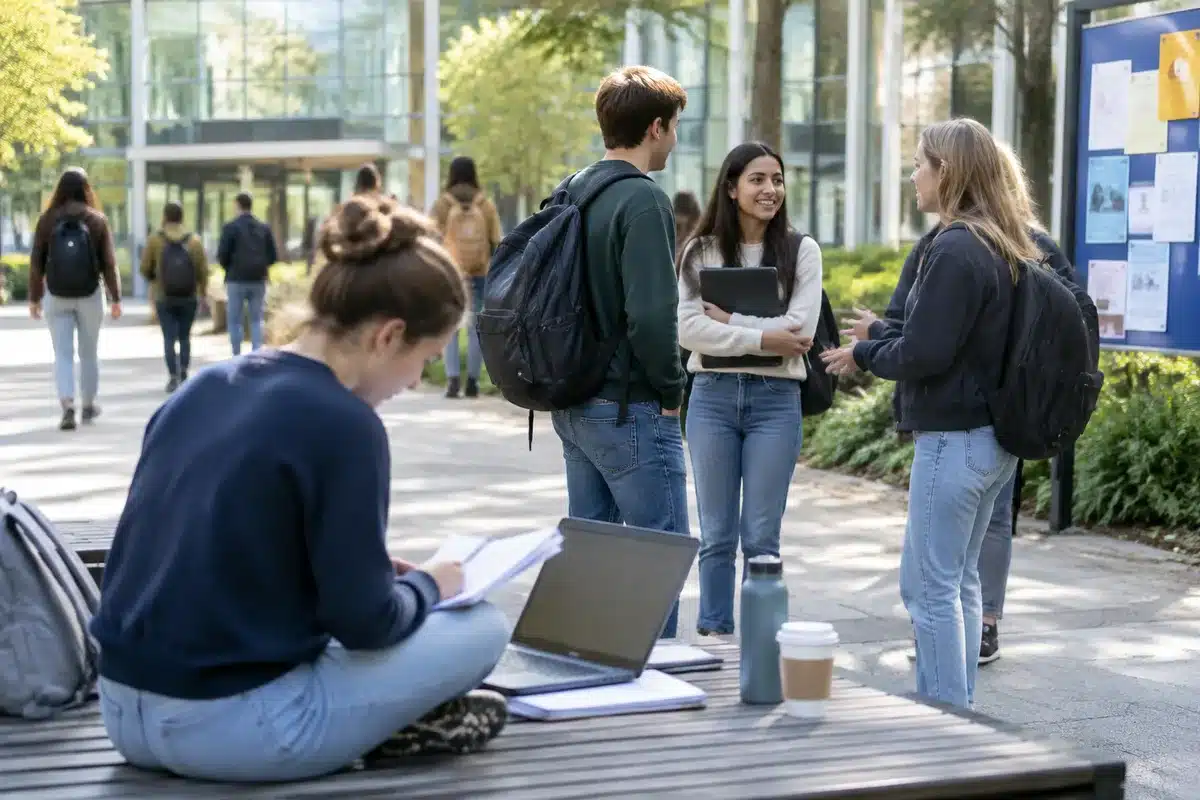
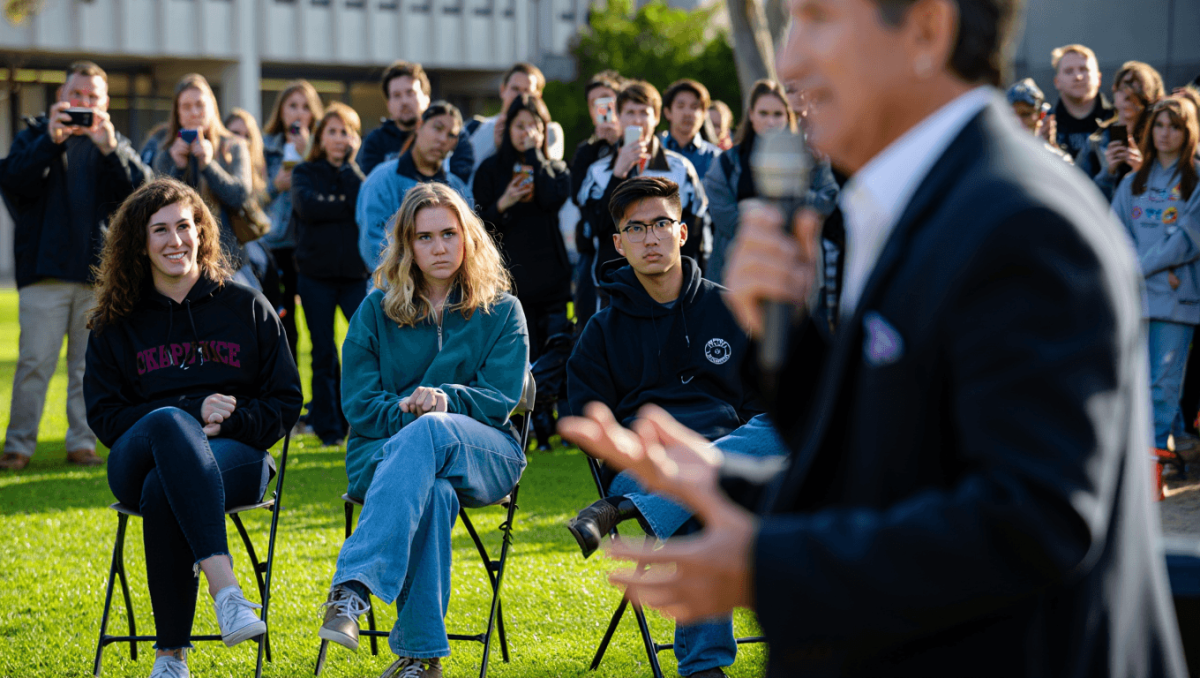
The lawn outside Cal Poly’s campus saw a steady crowd this week as visitors from the evangelical group Living Waters staged a public question-and-answer session, drawing students into discussions about faith, gender and education while campus officials insisted the gathering complied with CSU’s Time, Place and Manner rules. The event — hosted by the university’s Republican Club with support from Turning Point USA — offered a quieter, more conversational tone than some recent high-profile speaker stops, even as cameras and a hovering drone signaled the session was being recorded for wider distribution.
The gathering, billed as an open forum with minister Ray Comfort and other Living Waters representatives, ran from 10 a.m. to 2 p.m. on Dexter Lawn. Organizers placed visible notices around the area warning attendees of filming for the group’s programming, which attracted students curious about both the speakers and the production equipment.
Campus policy and public interest
University staff made clear the event took place under established campus free-speech guidelines. The CSU rulebook — emphasized again in a recent student training on expression rights — was cited to explain why the forum went ahead without administrative interruption.
Christa Pike released from hospital after failed execution, attorneys say
Dolly Parton tribute drives Madonna Inn crowds: steakhouse unveils limited menu
Compared with a controversial Reawaken USA stop last month, this session generated fewer loud confrontations. Instead, many students described the tone as engaged and, at times, unexpectedly substantive.
“It wasn’t one-sided shouting,” said one senior who paused to listen. “People were actually asking follow-up questions and defending their positions.”
What students said
Several undergraduates told reporters they were drawn in by the back-and-forth rather than the speakers alone. A senior studying microbiology said the exchange stood out for its complexity, not because she favored either side, but because arguments kept developing over time.
A first-year public-health student called the forum a useful way to encounter unfamiliar viewpoints, adding that exposure to different arguments felt valuable even when she disagreed with the conclusions.
Not all reactions were positive. One sophomore in nutrition argued the format — framed as an adversarial debate — risks alienating people rather than persuading them, and can do harm when faith is presented as a contest to be won.
Speakers’ aims and topics
Representatives from Living Waters described two linked goals: to engage in what they called reasoned dialogue, and to present their religious message to students. Conversation often returned to how the Bible should be interpreted and what role religious belief plays in daily life.
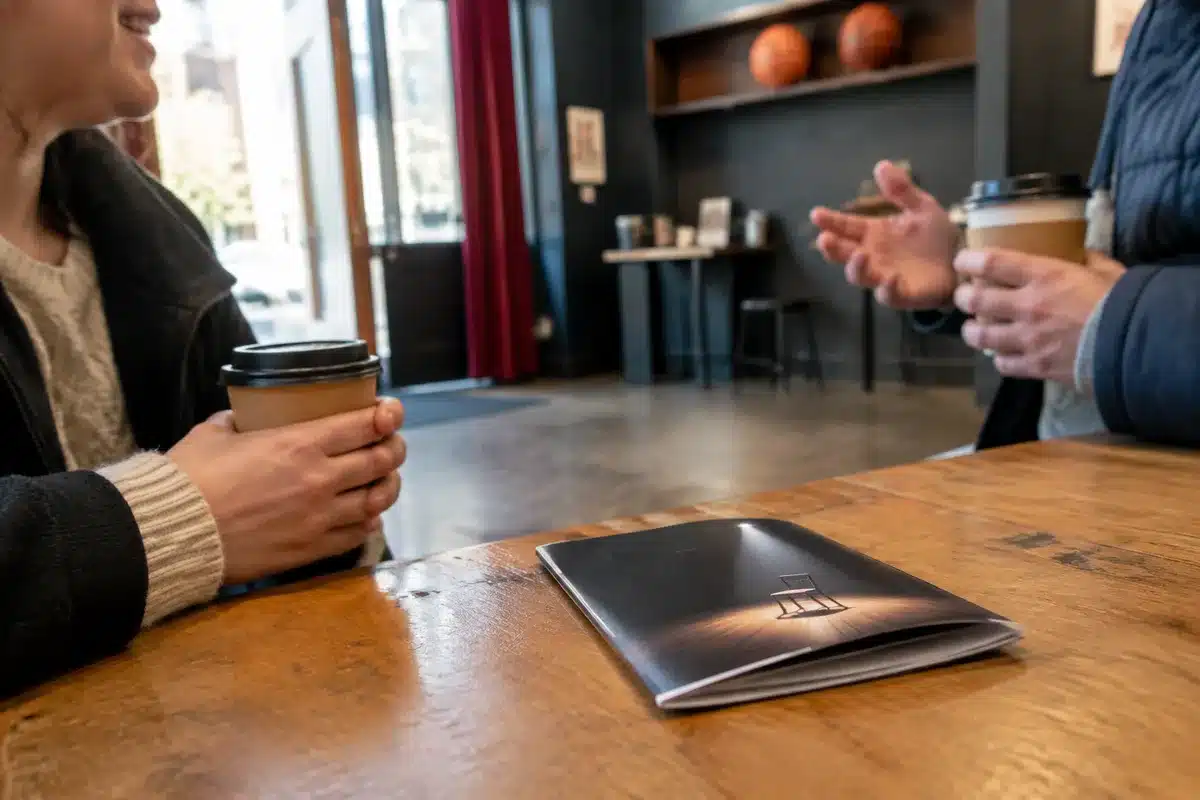
Questions from students and speakers circled themes such as the existence of God, sexual norms, gender roles and educational values. Speakers frequently probed students’ stated beliefs to challenge logical consistency; students pushed back or elaborated in kind.
- Recording and reach: Visible cameras and a drone signaled the session was intended for broadcast beyond the campus lawn.
- Policy enforcement: Administrators framed the event within CSU’s free-speech rules and recent student guidance.
- Campus climate: The encounter illustrated a mix of curiosity, skepticism and openness among students.
- Format tensions: Some attendees found the debate model stimulating; others said it hindered genuine conversation.
For many observers the event underscored a persistent tension on college campuses: how to balance unfettered expression with a community atmosphere that encourages meaningful exchange rather than polarization. With organizers recording the discussion for a broader audience, the implications extend beyond a single afternoon — into how campus debates are framed, consumed and amplified.