Show summary Hide summary
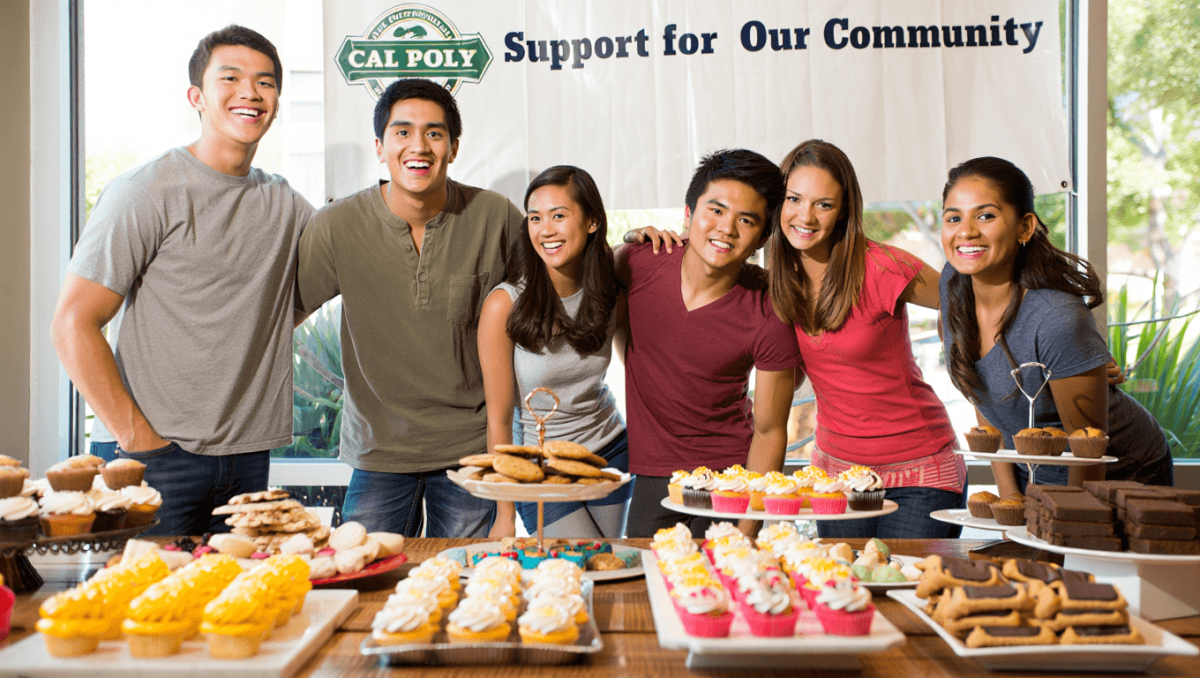
What began as a small campus fundraiser has become a steady community effort: Cal Poly students and alumni are running recurring bake sales in San Luis Obispo to raise money for undocumented immigrants, responding to growing local needs tied to immigration enforcement. The effort, launched last summer, now regularly draws larger crowds and channels proceeds to established support groups.
The initiative—organized by students calling themselves “Raising Together”—was started by senior environmental engineering student Mytam Le after a wave of local concern about immigration actions. Rather than waiting for policy fixes, organizers turned to a familiar, practical response: baking and selling treats to generate funds for relief.
How the fundraisers work
Sales take place throughout the academic term, usually scheduled early in the quarter when student volunteers have more availability. Location and timing shift from one event to the next as the group experiments with spots that attract foot traffic and suit volunteers’ schedules.
Christa Pike released from hospital after failed execution, attorneys say
Dolly Parton tribute drives Madonna Inn crowds: steakhouse unveils limited menu
Proceeds are donated to community organizations such as 805Undocufund and the Coalition for Human Rights of Immigrants, groups that provide direct assistance to undocumented people in the region. Organizers say demand and logistics determine what they bake: popular items get more attention at future events, while new recipes reflect the changing mix of volunteers and patrons.
“It started as a way to do something tangible when policy felt out of reach,” Le explained. Volunteers have learned to balance ambition with capacity—scaling up successful items while avoiding overcommitment.
More than money: building connections
The group emphasizes that the sales are intended to do more than raise cash. Baked goods often represent the cultural backgrounds of members, mixing flavors and traditions into one table. That variety, organizers say, helps draw neighbors together and creates space for informal solidarity.
- Who benefits: Local immigrant-support organizations providing legal, financial, and practical aid.
- What’s offered: A rotating menu of culturally diverse baked goods chosen by volunteers and customer demand.
- Event logistics: Early-quarter scheduling, adaptive locations, and small volunteer teams to manage prep and sales.
- Impact beyond funds: Community-building and a sense of purpose for students and attendees.
The sales have grown in visibility as word spread across campus and the wider town. Organizers report incremental learning—tweaking product mixes, shifting to busier sites, and planning around academic calendars—to maximize both revenue and community reach.
At a time when local service providers face heightened demand and limited budgets, small grassroots actions like these illustrate how campus groups can support nonprofits without waiting for institutional change. The bake sales are modest in scale, but organizers and participants say the events offer practical help and a reminder that community networks can respond quickly to urgent needs.