Show summary Hide summary
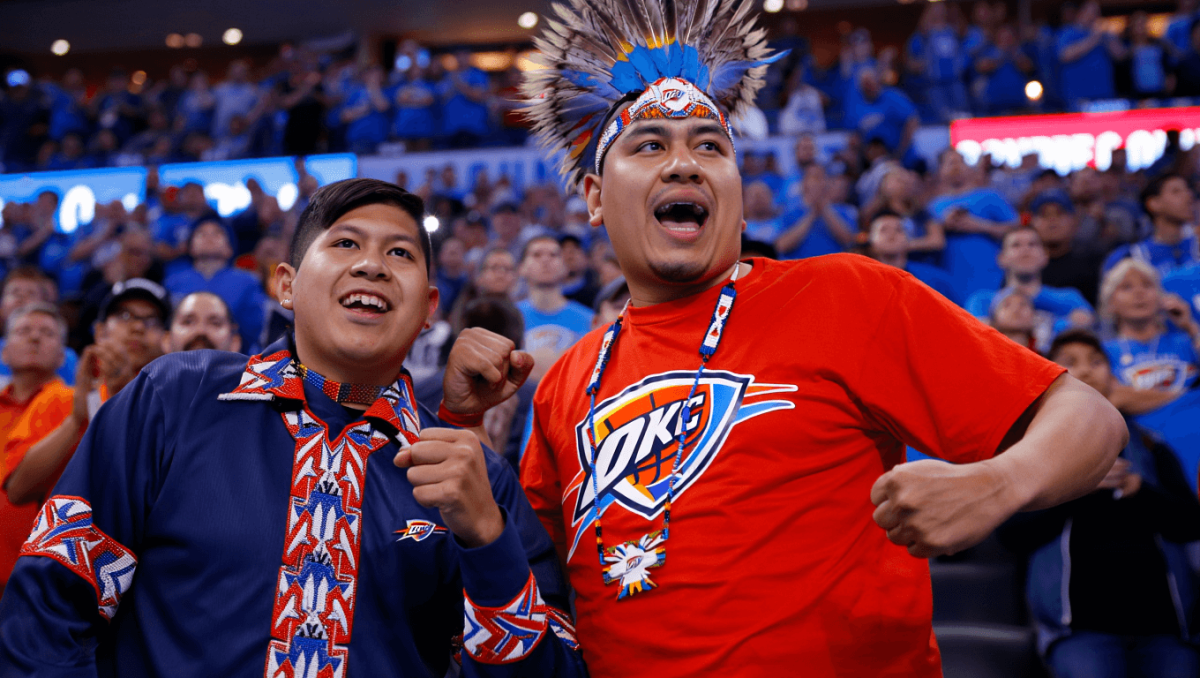
At Oklahoma City Thunder games this season, two devoted fans have drawn attention not just for their team loyalty but for the way they weave Indigenous identity into their gameday attire. Their outfits—part sportswear, part cultural expression—are making a quiet statement about visibility and belonging in a city where tribal nations and basketball culture often intersect.
More than fashion: what their looks communicate
Their choices are deliberate. Team colors and logos are paired with beadwork, woven patterns and handcrafted accessories that reference family or community traditions. What might look like a bold wardrobe decision at first glance serves a different purpose: it asserts a place for Indigenous people inside a mainstream sports arena.
Christa Pike released from hospital after failed execution, attorneys say
Dolly Parton tribute drives Madonna Inn crowds: steakhouse unveils limited menu
That combination matters now because conversations about representation in sports have moved beyond mascots and slogans to everyday visibility. When fans bring elements of their cultural heritage into a public, televised space, it changes how those traditions are seen by a wider audience.
How they blend cultural elements with game-day gear
- Mixing official team jerseys or hoodies with traditional textiles and beadwork.
- Custom accessories—pins, patches, belts—crafted to honor family or tribal affiliations.
- Layering contemporary streetwear with symbolic motifs from Indigenous artists.
- Adapting protective or practical items (hats, scarves) into culturally meaningful pieces.
These approaches are practical and visible. They allow supporters to show allegiance to the OKC Thunder while also signaling a distinct identity. For younger fans in the stands, seeing adults wear culture confidently can be a powerful model.
Community response and wider implications
Reaction inside the arena tends to be positive and curious: photos, conversations, and occasional informal requests to learn more about a beadwork pattern or the meaning behind certain symbols. For Indigenous spectators, such encounters can feel affirming; for others, they open a window into traditions not often displayed in mainstream sports settings.
On a broader level, visible cultural expression at sporting events contributes to two outcomes. First, it normalizes Indigenous presence in public life. Second, it invites questions and conversations that can reduce stereotypes and promote cultural understanding.
| Why it matters | Immediate effect | Longer-term potential |
|---|---|---|
| Visibility of Indigenous people in mainstream venues | More recognition from fellow fans and media | Greater cultural literacy and reduced misconceptions |
| Representation for youth | Role modeling in public spaces | Increased cultural pride and participation |
| Community connections | Conversations and shared learning | Stronger local networks and partnerships |
Practical takeaways for readers
If you’re curious about these looks or want to support authentic expression at games, consider these steps: seek out Indigenous artists and makers for authentic pieces; ask respectful questions rather than assume meanings; and recognize that cultural elements worn in public often carry personal or tribal significance.
What happens in the stands can ripple outward. Small acts—choosing to wear a particular pattern, commissioning a handcrafted patch, or simply asking about a symbol—help shape how communities see one another. In the case of the two Thunder superfans, gameday outfits are less about spectacle and more about quietly claiming space.