Show summary Hide summary
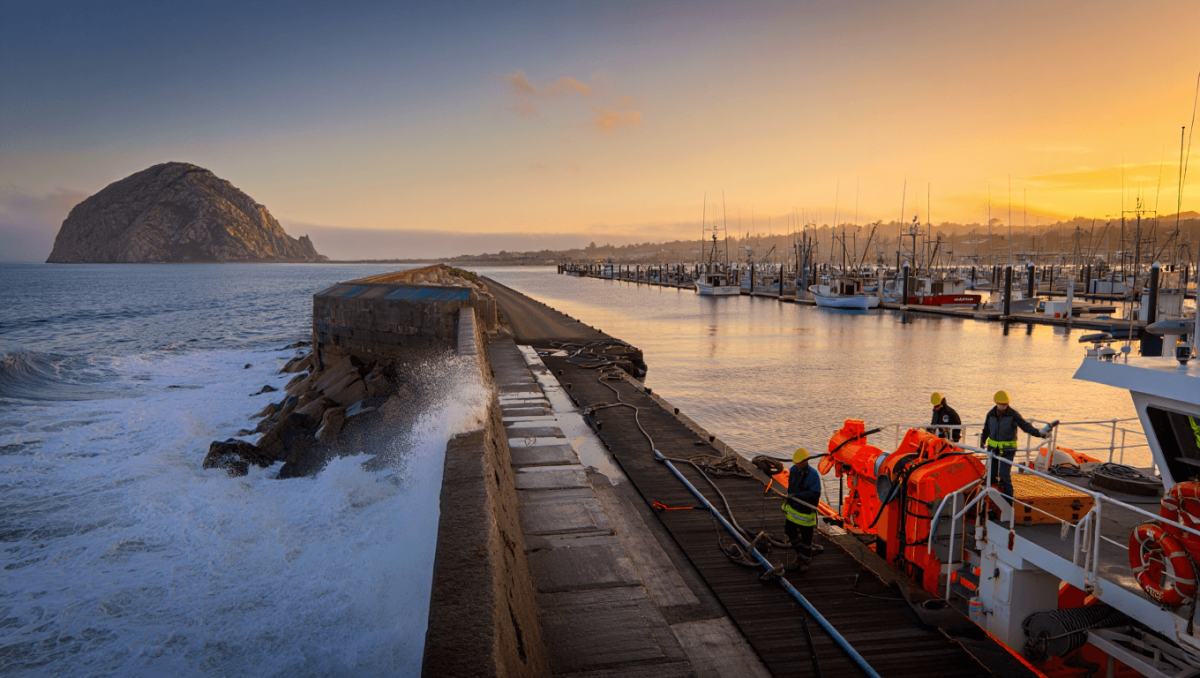
Federal funds have been awarded to shore up Port San Luis and maintain navigable channels in Morro Bay, officials said, addressing risks from large Pacific swells and accumulated sediment. The dollars will pay for breakwater maintenance and the harbor’s annual dredging, work scheduled for early May through early June that affects boat traffic and marine habitat management.
What the money will cover
Representative Salud Carbajal announced more than $4.1 million in federal support for two harbor projects in San Luis Obispo County, according to a press release. The allocation breaks down as follows:
| Project | Amount | Timing / Notes |
|---|---|---|
| Port San Luis breakwater maintenance | $23,000 | Short-term repairs and upkeep |
| Morro Bay Harbor annual dredging | $4,144,000 | Scheduled early May — early June; dredge vessel Yaquina returning |
| Total federal investment secured: more than $4.1 million | ||
Local officials lobbied for continued support
Morro Bay Harbor Director Chris Munson said local representatives joined delegations from other California ports to press the U.S. Army Corps of Engineers and members of Congress for funding. He described Congressman Carbajal as an active supporter of ongoing dredge programs along the Central Coast.
The harbor expects the dredge vessel Yaquina to perform the work this season, and officials do not anticipate road or pedestrian disruptions tied to the operation.
Environmental precautions and concerns
Dredging can disturb seabed sediment, reduce water clarity and temporarily affect feeding grounds for marine life. Morro Bay hosts year-round populations of sea otters and pinnipeds, and submerged vegetation such as eelgrass is important habitat.
- The U.S. Army Corps’ biology team conducts monitoring before, during and after dredging to minimize harm.
- Impact-avoidance measures focus on protecting eelgrass, otters, salmon and other sensitive species.
- Techniques may include scheduling work to avoid key life stages and adjusting dredge methods to limit sediment plumes.
Munson told local media that the Corps regularly evaluates environmental risks and implements mitigations where needed.
Why this matters now
Keeping harbor channels clear and the breakwater sound matters for both safety and commerce: sediment accumulation can make departures hazardous during large swells, while a deteriorating breakwater offers less protection from open-ocean waves. Federal maintenance funding also supports recreational and commercial fishing, tourism operators and emergency response access.
The urgency is not new: high-profile incidents in the past prompted more regular maintenance. In 1978 an 84-foot yacht owned by actor George C. Scott overturned near the entrance after encountering severe waves. Five years later, a whale-watching vessel carrying students capsized following a large wave strike, underscoring how quickly conditions can turn at the harbor mouth.
Carbajal also secured $6.15 million recently for dredging in Santa Barbara Harbor after earlier federal budget cuts had paused that program, reflecting wider attention in Congress to coastal navigation and safety projects.
For local residents and harbor users, this year’s work aims to reduce navigational hazards and sustain the maritime economy while attempting to limit ecological impacts through oversight and adaptive management.