Show summary Hide summary
Oklahoma’s attorney general has ruled the county sheriff must continue transporting inmates to and from the courthouse — a decision that the sheriff says he will challenge in court. The dispute has already interrupted hearings this week, forced case rescheduling and raised questions about who ultimately carries the cost and legal responsibility.
Transport stops, court calendar stalls
Christa Pike released from hospital after failed execution, attorneys say
Dolly Parton tribute drives Madonna Inn crowds: steakhouse unveils limited menu
On Monday night the attorney general issued an official opinion concluding the county sheriff is legally obligated to move inmates between the jail and the courthouse. Sheriff Tommie Johnson III responded by announcing he will appeal, and on Tuesday a judge ordered transports to resume so hearings could proceed.
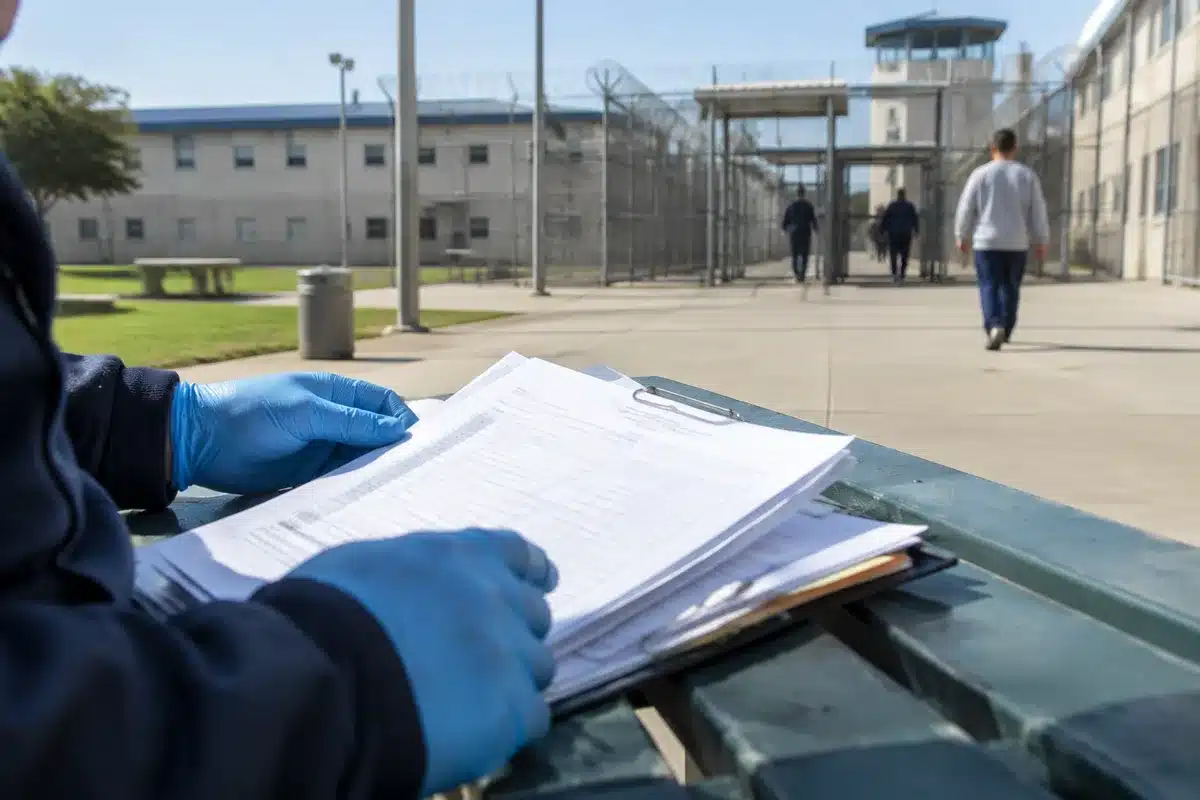
Earlier this week deputies attempting to move detainees turned back after arriving at the jail to find no detention officers available to assume custody. That breakdown left a number of hearings delayed or postponed and prompted a writ of habeas corpus to bring at least one defendant to court the next day.
Why this matters now
The disagreement touches on more than logistics. It affects victims, defense schedules and taxpayer bills, and officials warn the legal outcome could create a precedent affecting sheriffs and jail trusts statewide.
- Court operations: Preliminary hearings and subpoenas were delayed, forcing time-consuming rescheduling.
- Costs: County leaders say repeated legal fights and emergency measures will increase public expense.
- Authority: The case tests whether a county-created jail trust can alter a sheriff’s statutorily defined duties.
Positions at a glance
| Party | Position | Immediate aim |
|---|---|---|
| Attorney General Gentner Drummond | Found the sheriff retains responsibility to transport inmates; the trust did not remove that duty. | Apply state law as written; keep transports under sheriff’s custody. |
| Sheriff Tommie Johnson III | Contends the work is a contracted service and can be shifted to the jail trust; intends to appeal the AG opinion. | Remove transport obligations from the sheriff’s office and reallocate resources. |
| Board of County Commissioners / Jail Trust | Argue the trust’s founding agreement did not take on inmate transport; commissioners declined to change the indenture. | Maintain current legal interpretation and avoid expanding trust responsibilities. |
| District Attorney Vicki Behenna / Presiding Judge Sheila D. Stinson | Focused on preserving court function and public safety; the judge ordered transports resumed. | Ensure hearings continue and manage immediate court backlogs. |
Legal foundations and disagreement
The attorney general’s view rests on state statutes and the specific language of the jail trust’s indenture, concluding that while some jail duties can be assumed by a trust, transportation to court was deliberately left under the sheriff’s control.
Johnson disputes that reading. He argues the trust arrangement and a contract between the sheriff’s office and the trust make transports a vendor-style service that can be modified or ended, and that his office should not be compelled to perform what he says is contracted work.
Impact on residents and county finances
County leaders say interruptions will carry a price: rescheduled proceedings, additional staff overtime and the potential need to hire outside attorneys if the disagreement is litigated. Commissioner leadership criticized the decision to appeal, warning it will increase legal bills paid by taxpayers.
Meanwhile prosecutors emphasized the practical fallout: victims waiting for hearings, witnesses summoned unnecessarily and a backlog of preliminary matters that courts must now clear.
What to watch next
The sheriff has signaled he will take the attorney general’s opinion to court, which means the dispute could unfold through a formal appeal process. Legal briefs, hearings and a possible appellate decision would clarify whether the attorney general’s reading becomes a binding precedent.
Also likely to influence the case: whether the Oklahoma Sheriffs’ Association formally intervenes or issues guidance, and whether the jail trust or commissioners pursue changes to the trust indenture — a step commissioners recently declined to take.
The situation remains fluid. For now, transports are back in motion under a judge’s order, but the broader question of who shoulders the duty — and the costs — may be decided only after further litigation.
Reporting note: This article summarizes legal and operational developments affecting Oklahoma County court operations, including statements and actions by the attorney general’s office, the sheriff, county commissioners, the jail trust and the district attorney.