Show summary Hide summary
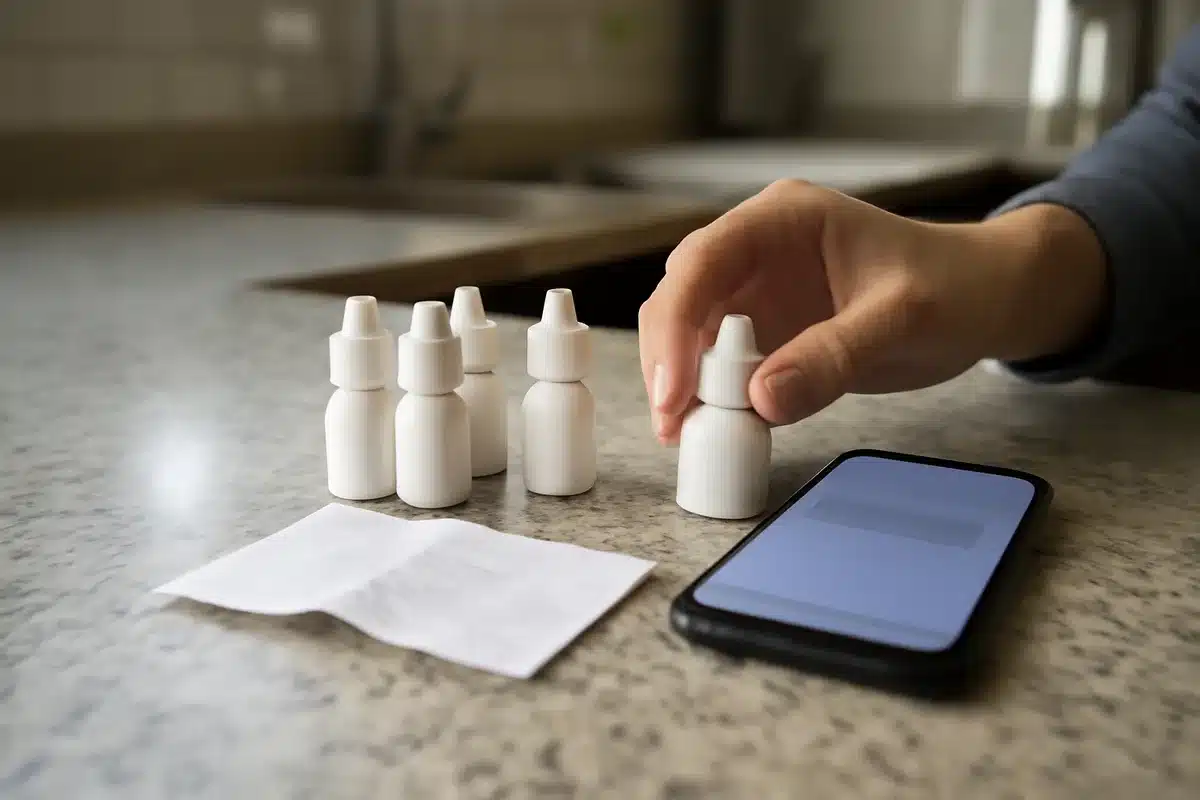
Hundreds of thousands of single-use and multi-dose eye drop bottles sold at major retailers, including Walgreens, are being pulled from shelves after the U.S. Food and Drug Administration warned the products may not be sterile. The recall raises immediate concerns because non-sterile ophthalmic solutions can increase the risk of eye infections and other serious complications.
Why this matters now: eye drops are commonly kept at home and used daily, so a recall for possible contamination affects a large number of people quickly and can lead to infections that require urgent treatment.
What the FDA’s notice says
Christa Pike released from hospital after failed execution, attorneys say
Dolly Parton tribute drives Madonna Inn crowds: steakhouse unveils limited menu
The FDA has identified specific lots of eye drops that may have been manufactured or handled in a way that compromises sterility. The agency did not attribute the issue to a single retailer; the products appear in stores and online, including national pharmacy chains.

Regulators emphasize that bacteria or other contaminants in ophthalmic products can cause symptoms ranging from irritation to severe infections that threaten vision, particularly for people with weakened immune systems or existing eye conditions.
What consumers should do now
- Stop using any eye drops you suspect may be part of the recall and set them aside.
- Check the FDA recall notice or the manufacturer’s website for a list of affected lot numbers, expiration dates, and packaging details.
- Return the product to the retailer for a refund if instructed, or follow disposal guidance from the manufacturer or local waste authorities.
- If you experience redness, pain, blurred vision, sensitivity to light, or unusual discharge after using the drops, seek medical attention promptly.
- Contact your pharmacy for questions about refunds or replacements, and keep proof of purchase if possible.
How big is the risk?
The likelihood of contamination varies by product and handling. Many recalled items can cause only mild irritation, but there have been documented cases where contaminated eye drops led to bacterial keratitis or other serious infections. That makes adherence to recall guidance important—even when symptoms are not yet present.
Pharmacists and eye-care professionals advise caution: if you rely on daily ophthalmic medication (for glaucoma, dry eye, or other chronic conditions), consult your provider before switching products or stopping treatment to avoid gaps in care.
Where to find official information
For confirmed list of affected products and lot numbers, visit the FDA recall announcement or contact the manufacturer. Retailers carrying the items — including national pharmacy chains such as Walgreens — will have return and refund procedures. Keep an eye on updates: the situation may change as the agency and companies investigate.
When to see a doctor: seek prompt evaluation if you develop persistent pain, significant vision change, worsening redness, or thick discharge after using any eye drops. Early treatment reduces the chance of lasting damage.
We will update this report as regulators release more details about the affected products and guidance for consumers.