Show summary Hide summary
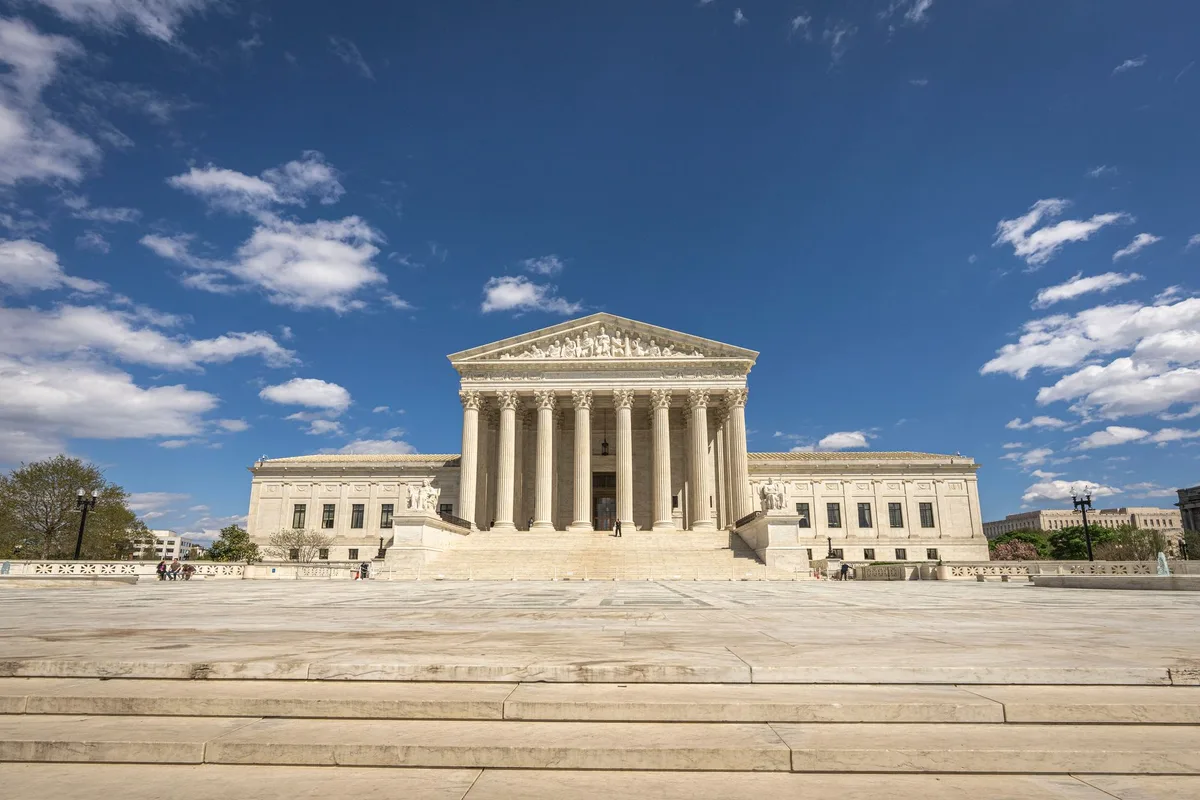
The Supreme Court on Monday temporarily extended an emergency pause on a lower-court order that would have required the abortion drug mifepristone to be dispensed in person, keeping mail and telehealth access intact for now through May 14. The move, issued via the court’s fast-track “shadow docket,” delays a potentially wide-reaching change to how medication abortion is provided across states.
The dispute began when Louisiana sued the FDA, challenging its policies that permit multiple distribution routes for mifepristone, including mailing the medicine to patients. State officials say the mail option has allowed abortion care to continue in places where in-person procedures face severe restrictions or near-total bans.
What the court action did and why it matters
Justice Samuel Alito initially granted an administrative stay that pushed the appellate ruling’s effect to May 11; the full Supreme Court then extended that pause to May 14 while the litigation proceeds. Because the order was issued through the court’s emergency procedures, there has been limited briefing and no full oral argument at this stage.
Christa Pike released from hospital after failed execution, attorneys say
Dolly Parton tribute drives Madonna Inn crowds: steakhouse unveils limited menu
That temporary extension matters because a final decision could reshape access to medication abortion nationwide. Restricting mail or telehealth distribution would likely force more patients to travel to clinics, increasing burden on already stretched providers and altering how states that allow abortion handle out-of-state demand.
- Parties involved: Louisiana v. FDA; the state is represented by Alliance Defending Freedom.
- Allied filings: A coalition of 22 state attorneys general, Pennsylvania Gov. Josh Shapiro and California AG Rob Bonta filed an amicus brief opposing the appellate court’s ruling.
- Previous litigation: In 2024, FDA v. Alliance for Hippocratic Medicine resulted in a lower-court ruling favoring the FDA on similar challenges.
- Interim timeline: Justice Alito’s administrative stay initially moved the deadline to May 11; the Supreme Court’s shadow-docket extension now runs through May 14.
California Attorney General Rob Bonta argued in filings that telehealth and mailing options are essential for people in rural and underserved communities. His brief says removing the mail option would push some patients to riskier alternatives or create severe financial and logistical hardships.
Supporters of the FDA’s policy also highlight practical strains: clinics in states that continue to provide abortion services are already treating patients from other states. A ban on mailing mifepristone, they contend, would compound that strain and disrupt care coordination across state lines.
Legal background and the current challenge
The present case draws on earlier litigation over the drug’s distribution. Anti-abortion groups previously contested the FDA’s expanded access during the COVID-19 pandemic and a 2023 decision allowing pharmacy dispensing. At that earlier stage, a court weighed the evidence and found no medical basis to impose the tighter restrictions sought by challengers.
Now, Louisiana’s challenge is being led by the same external law firm that represented those anti-abortion groups. Their argument centers on administrative law: they claim the FDA’s 2023 modifications to how mifepristone can be accessed were procedurally flawed and not grounded in proper scientific or procedural review, violating the Administrative Procedure Act.
Both the FDA and manufacturers have pushed back against the Fifth Circuit’s decision that prompted this litigation, framing the dispute as one of regulatory authority and medical judgment rather than purely political preference.
As the case continues to move through the courts, observers say the central questions are legal and practical: whether federal regulatory decisions about a drug can be overturned on procedural grounds, and what such reversals would mean for access to medication abortion across jurisdictions with divergent laws.
The Supreme Court’s shadow-docket extension buys time for further briefing and appeals. If the court allows the lower-court order to take effect after May 14, states that restrict in-clinic abortions could see an immediate change in how medication abortion is supplied and accessed.
Expect more filings and likely expedited appeals in the coming days. For now, mail and telehealth access to mifepristone remain available nationwide while the legal process unfolds.