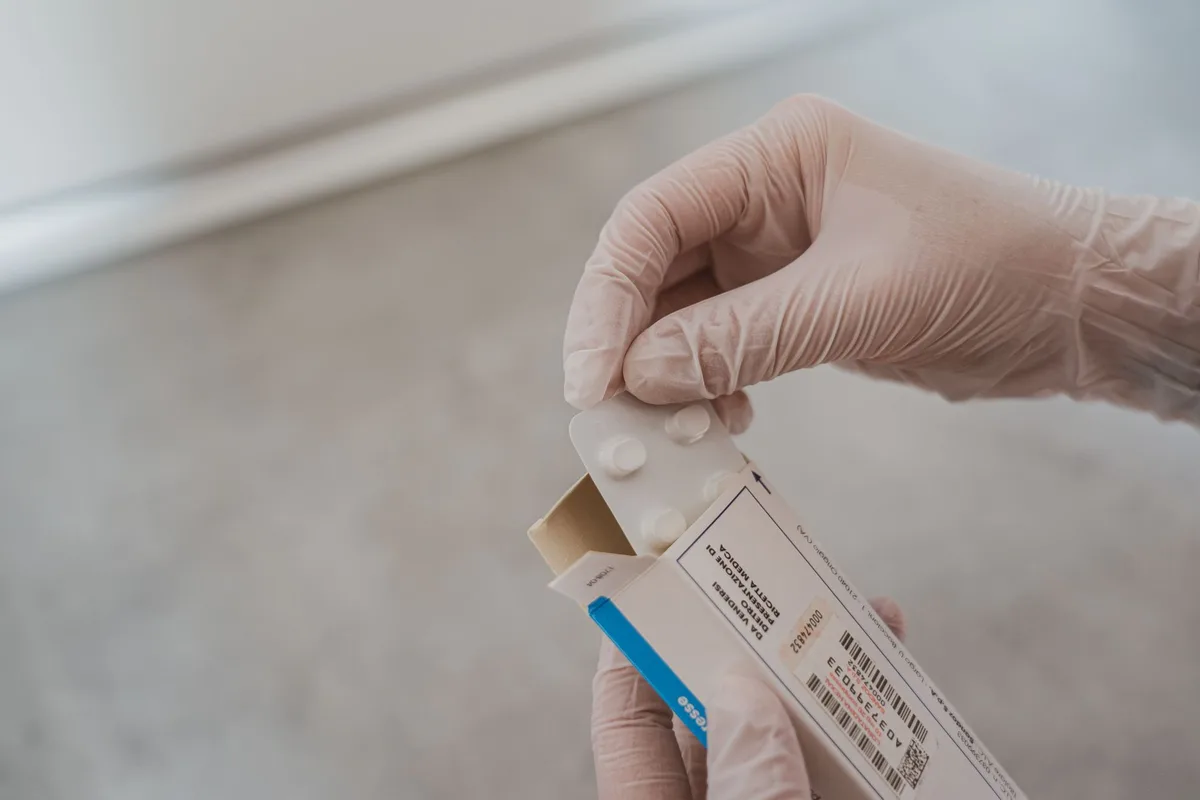
The Supreme Court has temporarily blocked a lower-court order that would have required patients to pick up the abortion drug mifepristone in person, issuing a short-term stay that keeps the current distribution rules intact through mid-May. The decision — handed down via the court’s emergency, or shadow docket, procedures — intensifies a legal fight with immediate consequences for patients, clinics and state lawmakers across the country.
At the center of the dispute is a lawsuit from Louisiana challenging the FDA’s 2023 decisions to broaden access to mifepristone, including authorization for telehealth and pharmacy dispensing. Louisiana argues those policy changes violated administrative rules; federal regulators, manufacturers and a coalition of state attorneys general say reversing them would sharply reduce access to reproductive care.
The case timeline has moved rapidly. An appeals court ordered stricter in-person dispensing requirements, but the Supreme Court temporarily prevented that order from taking effect while it considers further review. After additional filings from state officials and legal advocates, the court extended the pause for several days through an emergency order issued in mid‑May.
Christa Pike released from hospital after failed execution, attorneys say
Dolly Parton tribute drives Madonna Inn crowds: steakhouse unveils limited menu
The legal teams and public officials pushing back against the appeals court include a coalition of 22 state attorneys general, Pennsylvania’s governor and California Attorney General Rob Bonta. Their brief argues that telemedicine and mail delivery are essential for patients in rural or medically underserved areas and that removing those options would force people into costlier, riskier or more disruptive paths to care.

- Access in rural areas: Telehealth and mail delivery have been cited as primary ways people outside urban centers obtain medication abortion.
- Stress on receiving states: Clinics in states that continue to allow abortion have seen increased patient flows; a mail ban could further strain those providers.
- Regulatory precedent: The case raises questions about the FDA’s authority to modify drug distribution rules under the Administrative Procedure Act.
- Industry opposition: The FDA and mifepristone manufacturers oppose tighter restrictions, citing safety data and long-standing regulatory oversight.
A related legal fight played out in 2024 in a lower-court case, FDA v. Alliance for Hippocratic Medicine. That litigation also challenged the agency’s pandemic-era and later 2023 adjustments that enabled remote access to the pill. The lower court ultimately sided with the FDA, finding the challengers had not shown that expanded access would create a medical safety risk sufficient to justify a ban.
Now the Louisiana case is being argued by Alliance Defending Freedom, the same legal group that supported prior challenges. Their current claim contends the FDA’s 2023 changes were not grounded in proper scientific decision-making and therefore violated administrative procedure.
The stakes extend beyond this single drug. If a court ultimately limits the FDA’s ability to authorize telehealth or mail distribution for mifepristone, the decision could ripple through state-level access patterns and federal regulatory practice. Clinics in permissive states warn that a rollback would increase travel, expenses and delays for patients — consequences that disproportionately affect low-income and rural communities.

What comes next: the Supreme Court’s short-term orders preserve the status quo while judges weigh competing legal arguments. Observers say the court’s final ruling — or an interim appellate decision — could arrive quickly given the intense public interest and the logistical implications for clinics and patients.
For now, health providers continue to operate under the FDA’s existing rules, but the legal uncertainty is likely to shape clinical operations and patient planning in the weeks ahead.