Show summary Hide summary
A Richland County jury has ordered Richland School District One to pay $4.8 million after finding the district grossly negligent in the heat-stroke collapse of a Lower Richland High School football player in 2022 — a verdict that lands as high school teams across the state enter summer practice. The decision underscores immediate questions about athletic safety protocols and could influence how schools manage extreme heat going forward.
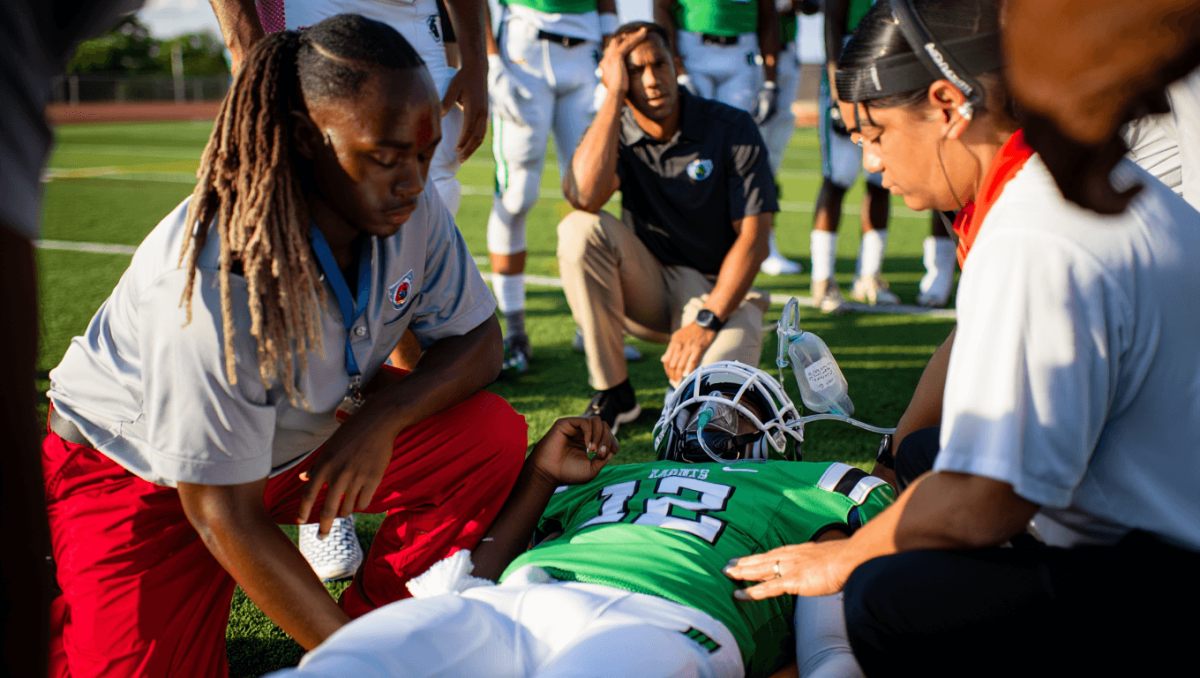
The verdict, delivered after about six hours of deliberation at the end of a weeklong trial, names the district responsible for the injuries suffered by Jordan Stroud, who was a rising freshman when he collapsed during an outdoor workout on June 13, 2022. The case was heard before Richland County Circuit Court Judge Daniel Coble.
What happened to the player
Christa Pike released from hospital after failed execution, attorneys say
Dolly Parton tribute drives Madonna Inn crowds: steakhouse unveils limited menu
According to testimony presented at trial, Stroud showed signs of heat-related illness during practice and then went into a life-threatening heat stroke. Medical evidence introduced in court said he was placed in a medically induced coma for 10 days and remained hospitalized for nearly two months.
Now 19, Stroud described ongoing physical impairments at trial. Attorneys said he has significant muscle loss in one leg, requires a brace to walk and faces heightened long-term risks to his heart and joints.
Allegations against the district
The lawsuit accused school coaches and administrators of failing to follow established heat-safety procedures. At issue were measurements, planning and emergency readiness during outdoor practices held in extreme temperatures.
- Failure to monitor Wet Bulb Globe Temperature (WBGT) readings properly on the day of practice.
- Continuing practice despite WBGT levels reportedly above the guideline threshold (about 92.1 degrees) that calls for cancellation or modification of workouts.
- No effective heat-acclimatization plan to ease athletes into high-temperature conditions.
- Absence of a cold-water immersion tub or similar immediate cooling equipment to treat exertional heat stroke on-site.
The district has repeatedly denied negligent conduct in court filings and maintains it did not ignore hazardous weather conditions. The South Carolina High School League, originally named in the suit, was dismissed before the matter reached the jury.
Why the ruling matters now
Schools statewide are beginning preseason workouts during some of the hottest weeks of the year, and this verdict arrives as a high-profile reminder that failure to follow heat-safety guidance can carry both human and financial consequences.
Administrators, athletic directors and coaches are likely to face increased scrutiny over how they measure environmental risk (such as using reliable WBGT devices), structure acclimatization schedules and ensure emergency cooling resources are available during outdoor sessions.
Legal and insurance experts say large jury awards can prompt districts to reassess policies, retrain staff and invest in equipment to reduce liability and protect student-athletes.
What’s next
Richland School District One has announced it will appeal the verdict and is consulting with counsel on next steps. An appellate process could delay final payment and may result in a reduced award or a new trial, depending on how the courts rule.
For parents and coaches, the immediate takeaway is practical: confirm that your school is monitoring heat metrics, following phased acclimatization practices and has accessible emergency cooling measures before permitting strenuous outdoor activity in high heat.