Show summary Hide summary
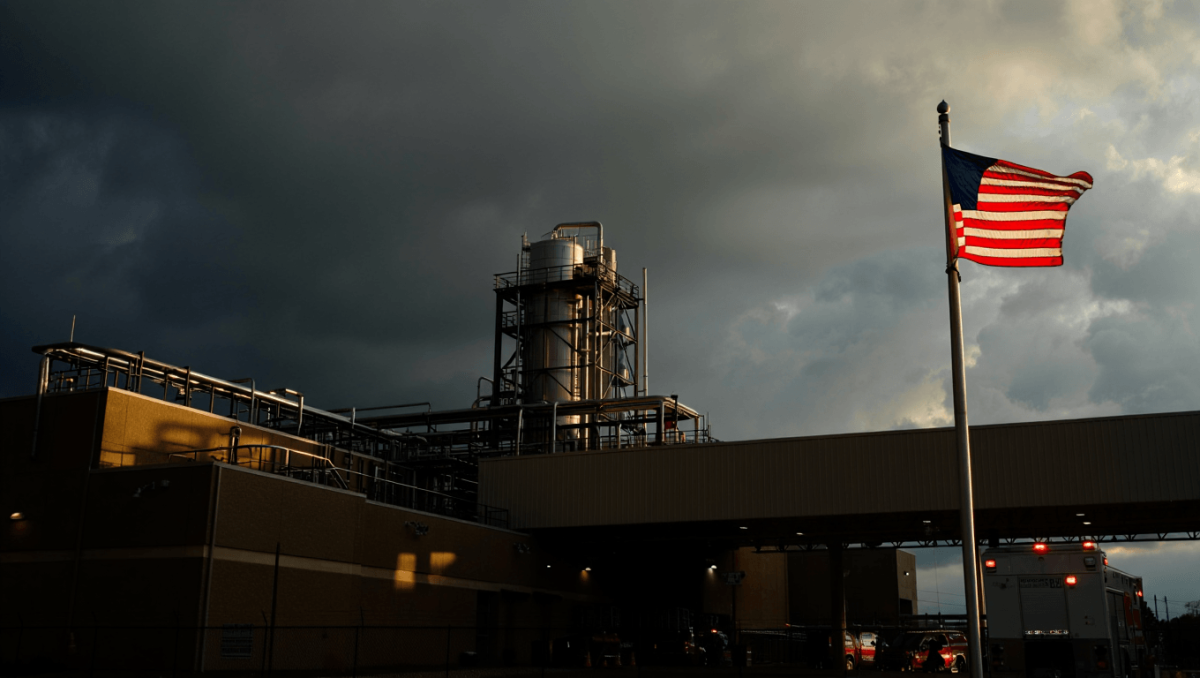
A U.S. cybersecurity agency has opened an inquiry after a coordinated cyber incident affected more than 30 municipal water sites across Minnesota, officials say. Early forensic indicators reportedly point to actors with possible links to Iran, raising fresh concerns about the vulnerability of local utility systems.
The investigation is focused on the digital intrusions discovered at small and mid-sized water treatment and distribution facilities. Authorities have not announced any confirmed contamination or sustained outages, but the scale and apparent coordination of the attacks prompted a rapid federal response.
What investigators are looking at
Christa Pike released from hospital after failed execution, attorneys say
Dolly Parton tribute drives Madonna Inn crowds: steakhouse unveils limited menu
Federal and state teams are examining logs, network telemetry and access records to determine how the intruders gained entry and what they did once inside. The inquiry will try to establish whether the same tools and infrastructure were used across the multiple sites — a key sign of a coordinated campaign rather than unrelated local breaches.
Officials described the evidence as pointing toward hackers who may be operating from Iran, though attribution in cyber incidents typically requires months of analysis and corroborating intelligence before it is definitive. The presence of similar tactics and code across affected utilities is enough, for now, to treat the incidents as connected.
| Known or reported | Details |
|---|---|
| Scope | More than 30 municipal water facilities in Minnesota |
| Investigating bodies | A U.S. federal cybersecurity agency working with state officials |
| Attribution signals | Forensic traces suggesting possible links to actors connected to Iran |
| Service impact | No broad, confirmed contamination or long-term outages publicly reported |
| Primary concerns | Unauthorized access, operational disruption, potential data theft |
Why this matters now
Water systems are critical infrastructure: even short interruptions or manipulation of operational controls can affect public health and municipal services. The prospect of a single actor striking dozens of utilities at once changes the scale of the risk and prompts questions about preparedness at the local level.
- Operational risk: Remote access to plant controls could allow attackers to alter treatment processes or shut down equipment.
- Public confidence: Even unproven contamination claims can undermine trust in tap water and force costly testing and communications responses.
- Policy implications: A coordinated campaign may accelerate federal and state efforts to harden cyber defenses for small utilities.
Smaller municipal systems often run on aging networks and limited IT staff, making them comparatively easy targets. Cybersecurity experts have repeatedly urged increased funding, standardized incident reporting and routine threat-hunting operations for water and wastewater providers — recommendations that gain urgency after events like this.
Next steps in the probe
Investigators are expected to move through several phases: containment to prevent further intrusions, forensic analysis to map the attackers’ methods, and remediation to close the exploited vulnerabilities. Law enforcement and intelligence partners may also work to trace command-and-control servers and identify the individuals or groups behind the operation.
For residents, public notices from local utilities remain the primary source of reliable information. Authorities typically notify customers directly if there is any confirmed water quality issue; so far, officials have not issued widespread boil-water advisories tied to these incidents.
As the inquiry continues, the case will be watched closely by municipal managers and federal policymakers alike for what it reveals about the evolving threat landscape and how best to protect essential services.