Show summary Hide summary
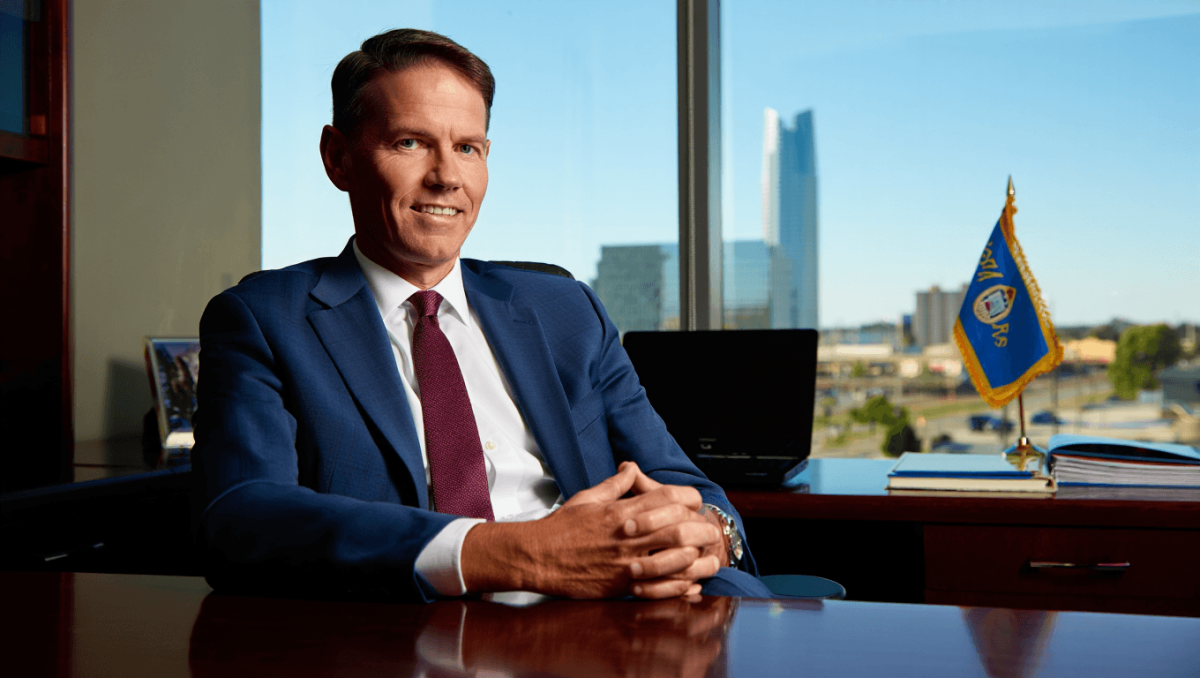
Shaun Yates has been promoted to senior vice president of tourism development at Visit Oklahoma City at a moment when the city is winning high-profile sports, conventions and international visitors. His new role places him at the center of efforts to convert that attention into steady economic gains for local businesses and neighborhoods.
A leadership change as Oklahoma City accelerates
Yates steps into senior leadership after several years inside the organization that markets the city to meeting planners, sports federations and leisure travelers. Colleagues describe his elevation as a recognition of sustained collaboration across the public, private and civic sectors—partnerships that now must scale as the city pursues larger events and longer-term growth.
Christa Pike released from hospital after failed execution, attorneys say
Dolly Parton tribute drives Madonna Inn crowds: steakhouse unveils limited menu
Experience and approach
Having worked on bids and visitor strategies across the region, Yates brings institutional knowledge of what attracts events and how they translate into jobs and revenue. He emphasizes strengthening the internal team and deepening ties with hotels, venues and community stakeholders so Oklahoma City can compete for bigger conventions and recurring sporting events.
- Meetings & conventions: Targeting multi-day events that fill hotel rooms and boost downtown commerce.
- Sports: Attracting tournaments and championships that generate short-term spikes in visitor spending.
- Equine events: Leveraging a regional niche that brings specialized audiences and year-round activity.
- Leisure travel: Expanding weekend and cultural visitation to smooth seasonal demand.
Priorities for the tourism team
Yates has identified internal culture and stakeholder trust as immediate priorities. He argues that a well-supported team plus reliable partnerships allow Visit Oklahoma City to be selective yet ambitious—pursuing opportunities that create measurable economic impact rather than only short-term publicity.
The office plans to use its growing brand recognition strategically, focusing on events that diversify the visitor mix and sustain employment in hospitality, food service and related sectors.
Why this matters now
Oklahoma City’s wins in recent years have turned attention into an opportunity to build a more resilient visitor economy. Large-scale events like those associated with LA28 are on the horizon, but Yates and his team see those as part of a broader engine for growth rather than a one-off moment.
Potential upside and risks
Successfully converting event bids into long-term benefits depends on coordination across city departments, venue capacity and workforce development. If those pieces align, officials expect stronger hotel occupancy, more jobs and expanded tax revenues. If they don’t, the city risks over-investing in short-term spectacles without lasting community returns.
Outlook: five to ten years
Yates envisions Oklahoma City entering a sustained period of expansion in tourism, marked by more diverse audiences and repeat visits. His focus is on creating durable opportunities—new recurring events, deeper partnerships with regional attractions and a tourism strategy that supports equitable economic gains across neighborhoods.
For now, the change at Visit Oklahoma City signals a deliberate push from promotion to planning: building systems that turn attention into jobs, business for local vendors and a broader, steadier stream of visitors.