Show summary Hide summary
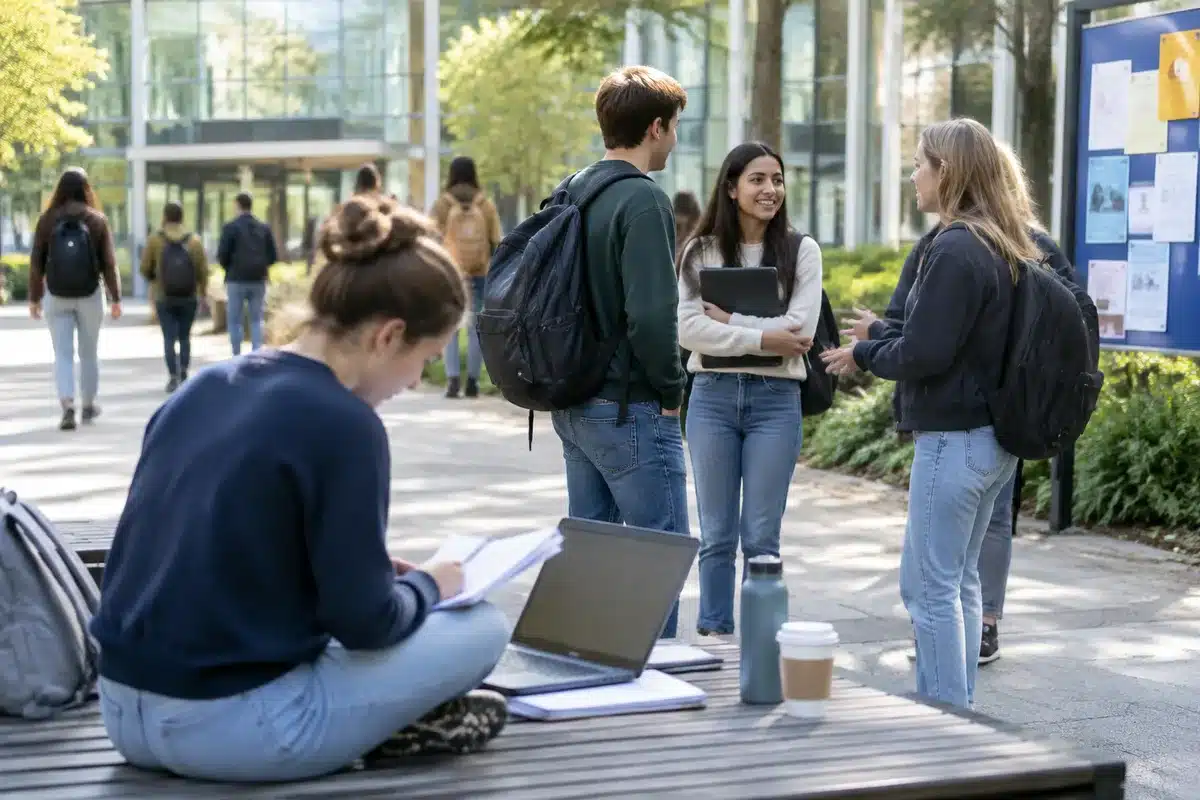
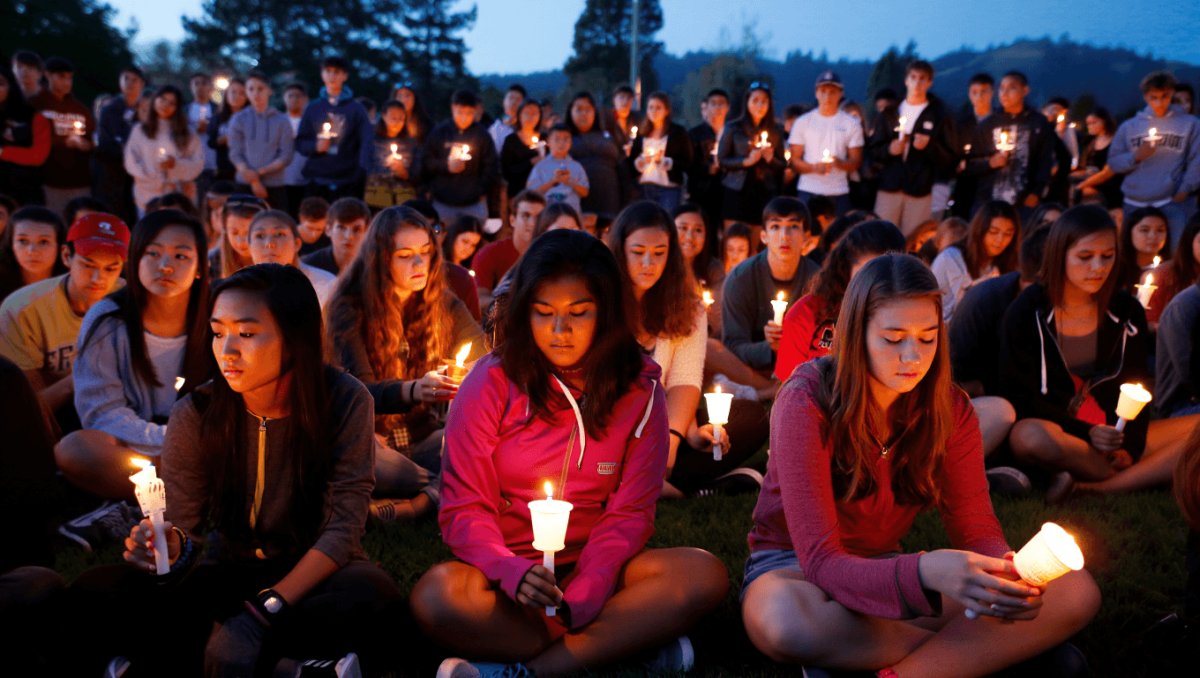
Students at Cal Poly gathered on Dexter Lawn Tuesday evening for a quiet vigil after the deadly shooting outside the Islamic Center of San Diego left three people dead — an attack now under investigation as a hate crime. The campus event underscored both the immediate grief and a wider demand for clearer institutional response as anti-Muslim hostility draws renewed attention.
The Muslim Student Association (MSA) organized the gathering to honor the victims and to press for solidarity from the broader university community. Attendees lit candles, shared memories and spoke about the toll of repeated violence aimed at religious and ethnic minorities.
What happened in San Diego
Christa Pike released from hospital after failed execution, attorneys say
Dolly Parton tribute drives Madonna Inn crowds: steakhouse unveils limited menu
On May 18, two teenagers opened fire outside the Islamic Center of San Diego, the county’s largest mosque, killing three people. Authorities say writings found in the suspects’ vehicle pointed to hatred of multiple religious and racial groups, prompting investigators to treat the case as a possible hate-motivated attack.
- Date: May 18
- Location: Islamic Center of San Diego
- Victims:
- Amin Abdullah, 51 — mosque security guard
- Mansour Kaziha, 78 — founding member and longtime caretaker
- Nadir Awad, 57 — neighbor who rushed to help
- Suspects: two teenagers; investigation ongoing
- Investigative focus: possible hate crime due to writings found in vehicle
Campus reaction and calls for accountability
For students who gathered on Dexter Lawn, the shooting felt like part of a troubling pattern. Several attendees pointed to prior international and domestic attacks — including the 2019 Christchurch massacre — as a reminder that threats faced by Muslim communities are persistent, not isolated.
MSA leaders said they requested Cal Poly issue a campus-wide statement addressing the attack, but received no formal response. That silence, students said, left a gap in visible institutional support and raised questions about how universities communicate and act after incidents targeting minority groups.
“We want the campus to recognize that violence against any community affects us all,” MSA organizers said in a prepared message, calling for unity and explicit institutional acknowledgment.
Voices from the vigil
Students who attended described a mix of anger, exhaustion and determination. One former MSA president reflected on the growing proximity of anti-Muslim violence in his own life and family — a fear sharpened by personal ties to past attacks abroad.
A history senior who learned about the vigil on social media said he came to stand in solidarity because he sees recurring trauma within friends and classmates. Though not a member of the Muslim community, he said showing up felt necessary.
Why this matters now
The San Diego shooting and the campus response highlight several immediate stakes: the safety of religious communities, the responsibility of institutions to respond to targeted violence, and the broader social consequences of unchecked bigotry.
On college campuses, where students from diverse backgrounds live and learn closely together, the way administrations address — or fail to address — such incidents can influence campus climate, mental health outcomes and campus-community trust.
MSA organizers and attendees urged sustained attention rather than a single-day response, asking peers and administrators to remain engaged as investigations continue and as families and communities seek accountability and healing.
For updates and community statements, the Cal Poly Muslim Student Association has shared information through its social channels and event postings.