Tobe Energy, a hydrogen technology developer based in Oklahoma City, is gearing up for its first large-scale commercial deployment later this year — a step that moves the company from lab-scale experiments into real-world operations and could help expand U.S. production of renewable hydrogen. The rollout aims to prove the company’s manufacturing approach and its novel electrolyzer design under commercial conditions, with implications for industries from data centers to synthetic fuels.
The company has been refining a proprietary approach to isothermal electrolysis, a method it says lowers energy losses and cuts production costs compared with conventional electrolysis. Over the past year Tobe has advanced its hardware from small pilot units to a 50-kilowatt system, filed additional patent applications and put a solar-powered demonstration unit — called NODE-01 — into operation to show the process running on renewable electricity.
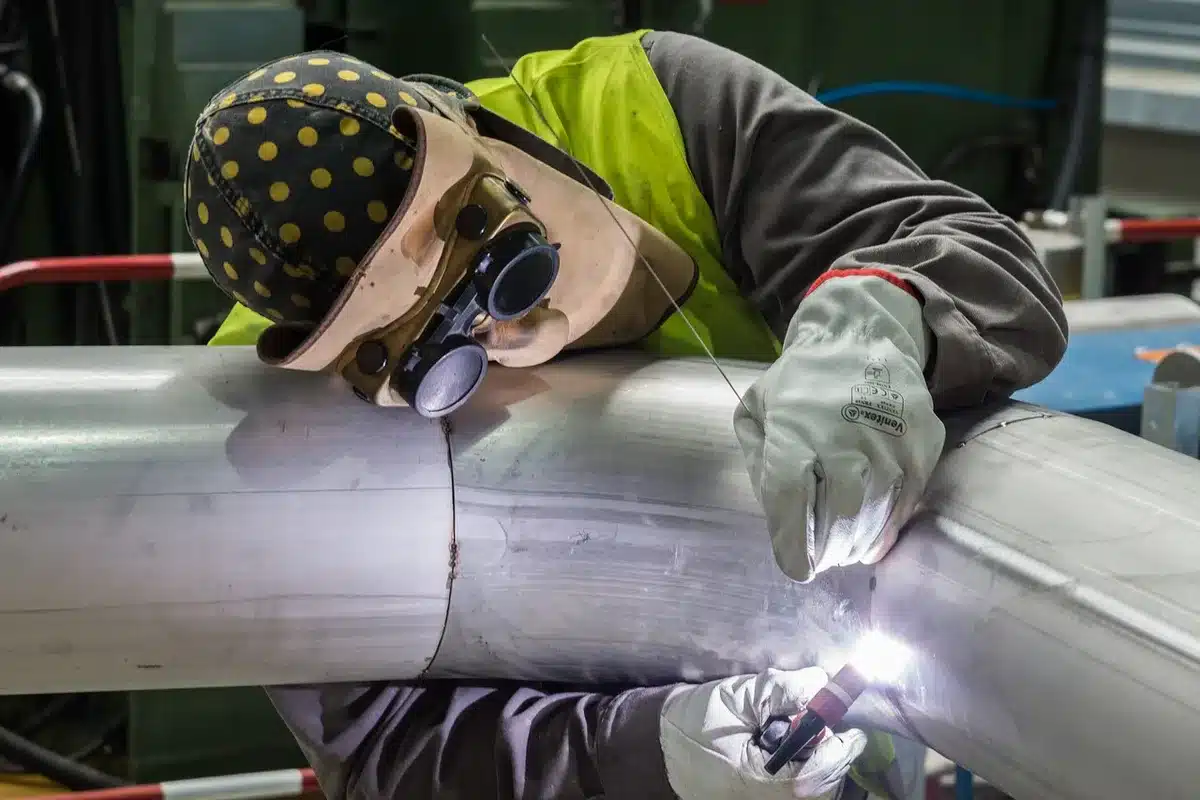
Operating out of a single Oklahoma City facility, Tobe handles most fabrication and testing in-house. That vertical integration covers printed circuit boards, power electronics and the electrolyzer stacks themselves, allowing engineers to iterate rapidly on both components and system integration.
Christa Pike released from hospital after failed execution, attorneys say
Dolly Parton tribute drives Madonna Inn crowds: steakhouse unveils limited menu
Commercial validation at Zeeco site
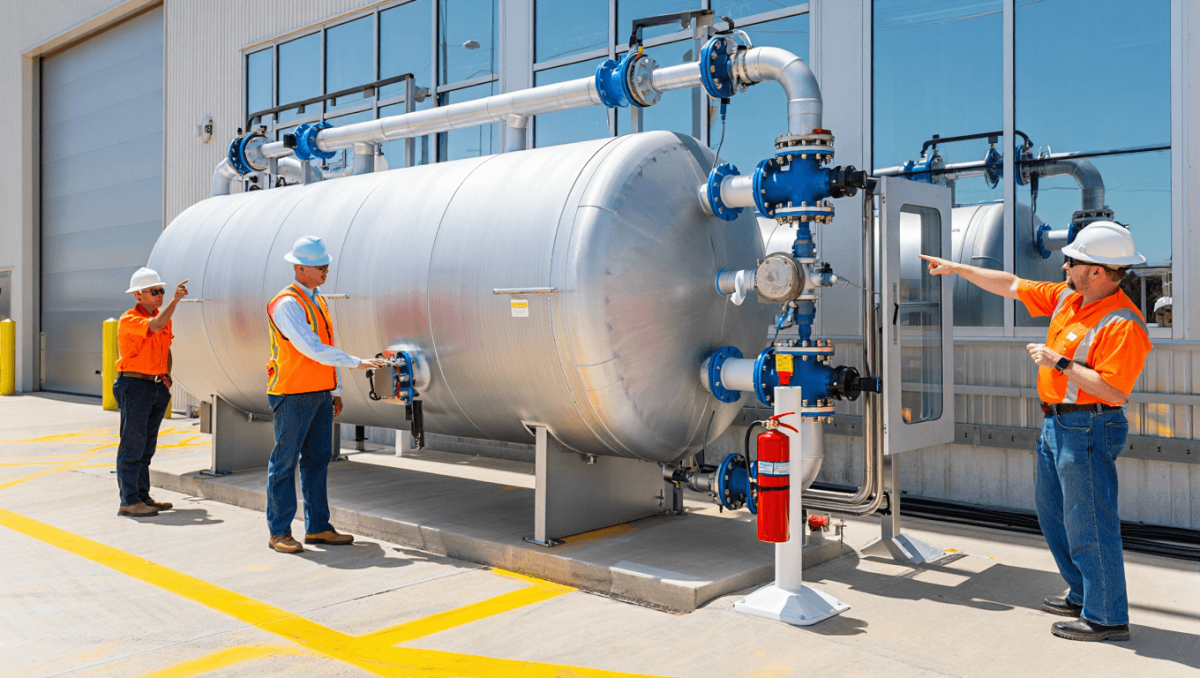
This fall the company will install its system at an advanced research complex run by Zeeco in Broken Arrow, marking what Tobe describes as its first commercial-scale proof. The deployment is intended as third-party validation: an opportunity to demonstrate consistent performance under the oversight of an external partner with deep industry connections.
Company leadership characterizes the Zeeco arrangement as strategic on two fronts — performance validation in an operational setting and access to a partner network that can help move systems into broader industrial use. Tobe expects the Zeeco installation to expand to about 1 megawatt of electrolysis capacity next year, a step toward its longer-term target of installing 100 megawatts of clean hydrogen capacity nationwide by 2027.
- Recent technical progress: Scaled electrolyzer from roughly 1 kW to 50 kW within a year and launched NODE-01, a solar demonstration facility.
- Near-term deployment: First large-scale commercial site at Zeeco’s Broken Arrow complex later this year; planned expansion to ~1 MW in the next 12 months.
- Long-term goal: 100 MW of installed capacity across the U.S. by 2027, targeting industrial and fuel-production use cases.
- Local advantages: Oklahoma offers low electricity prices, a high share of renewables on the grid and established industrial gas expertise — factors the company cites as key to scaling.
For stakeholders watching the hydrogen sector, the Zeeco deployment will be a useful data point. Successful operation could accelerate customer interest by demonstrating reliable hydrogen output from an electrolyzer design that integrates closely with solar power and on-site manufacturing.
Local economic-development groups, including the Greater Oklahoma City Chamber and the Oklahoma Manufacturing Alliance, helped the firm access facilities and local networks as it established operations. That support, company officials say, smoothed the transition from prototype to commercialized equipment.
Looking ahead, the company plans to keep increasing system size and seeking deployment partners across industry. If Tobe hits its roadmap, the firm aims to help expand American-made clean hydrogen capacity — with Oklahoma City positioned as an early manufacturing and test hub.