Show summary Hide summary
Oklahoma City’s rise as a host for major sporting and entertainment events is reshaping the local economy—and not just inside arenas. At a June forum convened by the Greater Oklahoma City Chamber, industry leaders mapped out how big-ticket competitions and concerts are driving visitor spending, raising the city’s profile and prompting new investments across downtown and beyond.
The conversation brought together leaders from sports marketing, venue management, hospitality and city government to assess what the surge in events means for residents, local businesses and future bidding opportunities—including ties to the 2028 Olympic Games in Los Angeles.
Facilities first: why infrastructure still matters
Christa Pike released from hospital after failed execution, attorneys say
Dolly Parton tribute drives Madonna Inn crowds: steakhouse unveils limited menu
Speakers repeatedly returned to one simple point: you can’t attract large-scale events without the infrastructure to host them. City officials and venue managers said recent and planned projects—new arenas, an upcoming multipurpose stadium under MAPS 4 and upgrades at community sports sites—are the foundation that makes Oklahoma City competitive for national-caliber events.
Investing in venues, panelists argued, is not just about seats and scoreboards. It’s about meeting technical requirements for broadcast, accommodating teams and media, and creating spaces that invite complementary economic activity nearby.
Events as a citywide engine
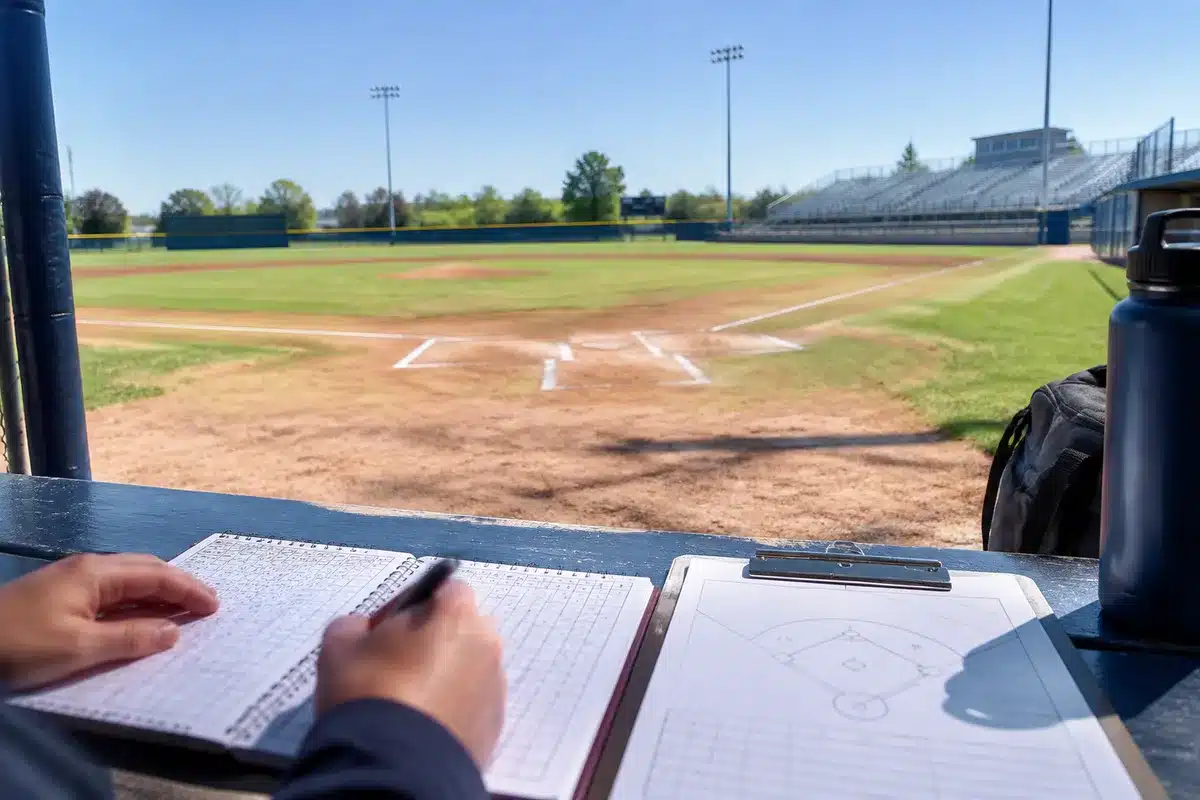
More than ticket sales, panelists said, the true economic value of events is their ability to spread spending across hotels, restaurants, retail and attractions. Examples cited included the Women’s College World Series and recent playoff runs by the Thunder—both of which send visitors into the city for multiple days, not just a single game.
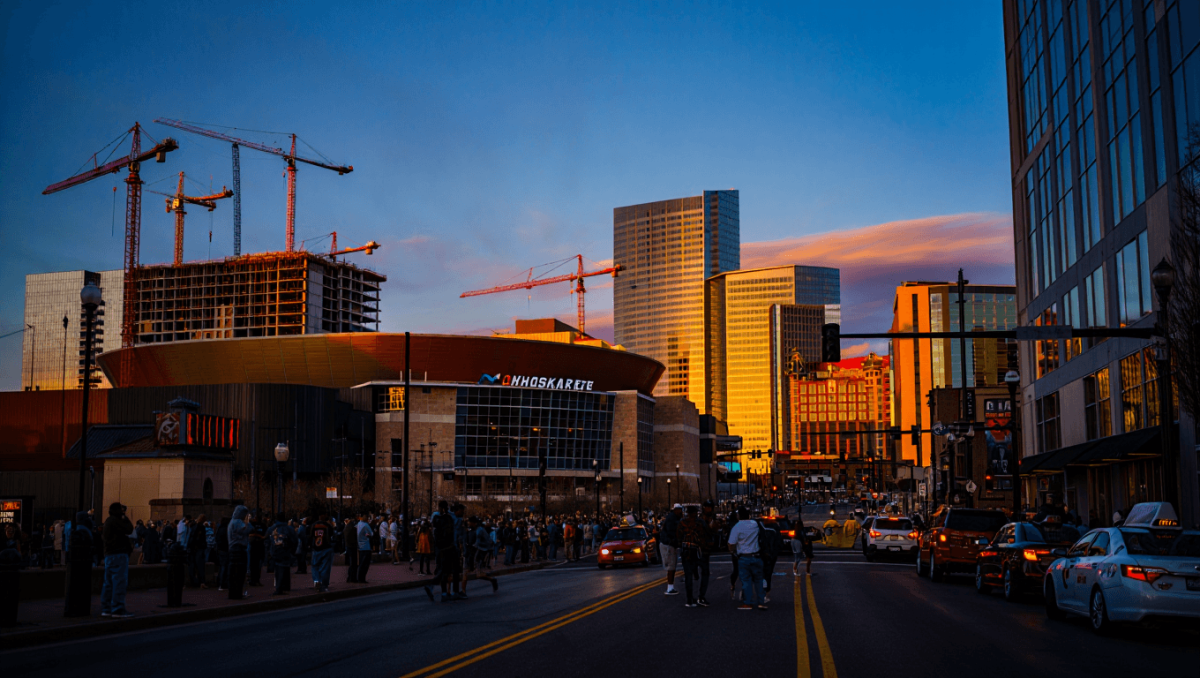
Lucy Albers, who oversees marketing and PR for the Paycom Center, highlighted downtown activations and fan-focused programming that extend the experience beyond the arena floor. Those initiatives aim to convert one-time visitors into repeat guests and give local merchants a direct stake in event success.
Venue investment, visitor activation and cross-sector coordination were named as the three elements organizers believe must work in tandem to produce sustained benefits.
Workforce and hospitality: a growing demand
As the cadence of events rises, so does the need for workers in hotels, restaurants and event services. Hospitality leaders at the forum described a twofold reality: expanded hiring demand creates new career pathways, but it also strains existing staffing pools during peak periods.
Tasha Houck-Barnett of Embassy Suites urged the community to view workforce development as a shared responsibility—training and retaining employees across the sector rather than competing for the same labor supply.
- Seasonal pressure: Major tournaments concentrate labor needs into short windows, requiring flexible staffing strategies.
- Career pipeline: Events create opportunities for long-term hospitality careers beyond entry-level jobs.
- Small business role: Local retailers and restaurants are integral to the visitor experience and must be included in planning.
- Citywide coordination: Public, private and nonprofit partners can ease operational bottlenecks and share promotional resources.
- Olympic-ready: Preparing for LA28-related opportunities will demand both physical upgrades and workforce readiness.
Collaboration as a competitive edge
Panelists pointed to Oklahoma City’s willingness to align city agencies, tourist promoters, venue operators and community groups as a differentiator when competing for events. That collaborative posture, they said, improves planning and amplifies the economic return by distributing visitors across neighborhoods and businesses.
Michelle Matthews from the Thunder credited the franchise with helping to put the city’s name in national conversations, while also stressing that team-led efforts are most effective when they connect with broader community programs—street festivals, fan zones and downtown activations that invite spend outside the arena.
Speakers argued that this inclusive approach helps avoid the trap of events that generate headline numbers but leave little lasting benefit for residents.
What this means for residents and businesses
For Oklahomans, the practical implications are immediate: increased job opportunities in service industries, more hotel occupancy and street-level commerce during event weekends, and higher visibility for local attractions that can translate into year-round tourism.
For business owners, the message from the forum was clear: treat every visitor interaction as part of a larger hospitality chain. From front-desk staff to shop clerks, each point of contact shapes perceptions and can influence whether someone returns or recommends the city.
As the session wound down, Adam Wisniewski of Visit Oklahoma City underscored a final, inclusive point: every resident and business is part of the visitor journey the moment someone steps into the city. That shared responsibility, he said, will determine whether Oklahoma City sustains its momentum as a host for major events.