Oklahoma City’s Fiscal Year 2027 budget aims to preserve everyday city services while tightening fiscal discipline amid slower revenue growth — a shift that will affect public safety staffing, capital projects and how the city prepares for upcoming bond-funded work. For residents, the plan signals careful trade-offs now to keep larger investments, like MAPS initiatives and a future downtown arena, on track.
The city adopted a $979 million operating budget that funds routine operations and supports roughly 5,089 full-time positions. City officials framed the plan as one that protects core services without overreaching on new spending as revenues lag recent trends.
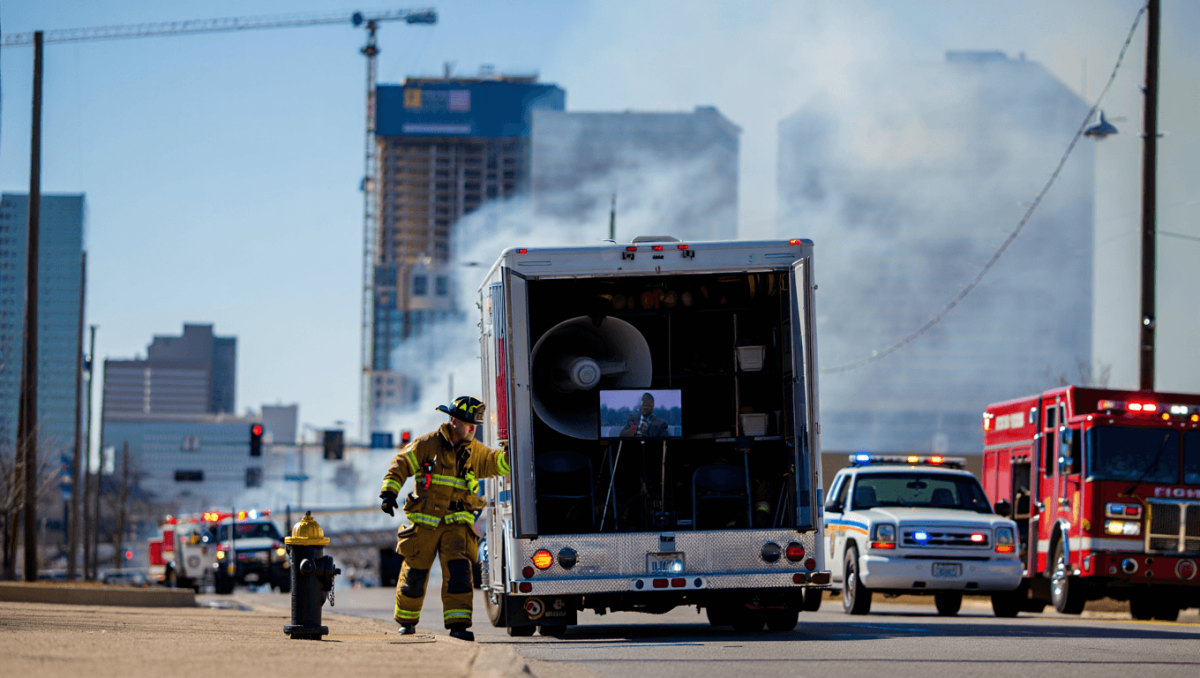
Public safety again takes the largest share of general-purpose funding. More than half of the General Fund is earmarked for police and fire operations, with a targeted $1 million set aside for a new firefighter wellness program. The Police Department will retain 20 previously frozen uniform slots while eliminating a single civilian support post — a change the city says balances immediate needs with budget realities.
Christa Pike released from hospital after failed execution, attorneys say
Dolly Parton tribute drives Madonna Inn crowds: steakhouse unveils limited menu
Several departments saw targeted staffing changes tied to short-term needs and upcoming projects. Public Works added personnel to support planned general obligation bond work, while the Utilities department filled eight posts and moved some operating costs into its trust fund to free up operating dollars. The City Manager’s Office increased staff to help plan the proposed downtown arena, and the Municipal Counselor’s Office added two attorneys to handle public safety and bond-related legal work.
At the same time, areas including Parks and Recreation, Development Services and General Services restructured or trimmed positions to match projected revenues and control ongoing costs.
- Budget total: $979 million operating budget for FY2027
- Positions: 5,089 full-time roles supported
- Public safety: Over 50% of General Fund; $1 million for firefighter wellness
- Police staffing: 20 frozen uniform positions carried forward; one civilian support position reduced
- Department changes: Public Works and Utilities added staff; several departments reduced or restructured roles
- Revenue mix: Sales tax remains the largest source, supplemented by property and hotel taxes, franchise fees, permits and service charges
- Guiding priorities from residents: public safety, transportation, financial stewardship, recreation and economic development
Sales tax continues to be the backbone of municipal revenue, funding many day-to-day services. But slower growth in those receipts is the chief reason officials tempered hiring and shifted some costs to reserves or dedicated funds. That conservative posture reduces near-term risk but could constrain service expansion or hiring if economic conditions remain soft.
City leaders say resident input from the annual survey helped shape spending priorities — a nod to continued emphasis on emergency services, roads and quality-of-life programs. The administration argues the budget strikes a balance: it keeps essential services running while preserving capacity to move ahead on long-term investments.
Looking ahead, the budget sets the stage for continued work on MAPS projects, infrastructure upgrades and future bond-funded initiatives. Residents should expect to see planning and procurement activity increase on those fronts, even as the city monitors revenue performance and adjusts operations to remain fiscally prudent.
For citizens watching city hall, key items to follow this year include how bond projects advance, any further staffing adjustments in public safety, and quarterly budget reports that will indicate whether revenue trends improve or force additional changes.