Show summary Hide summary
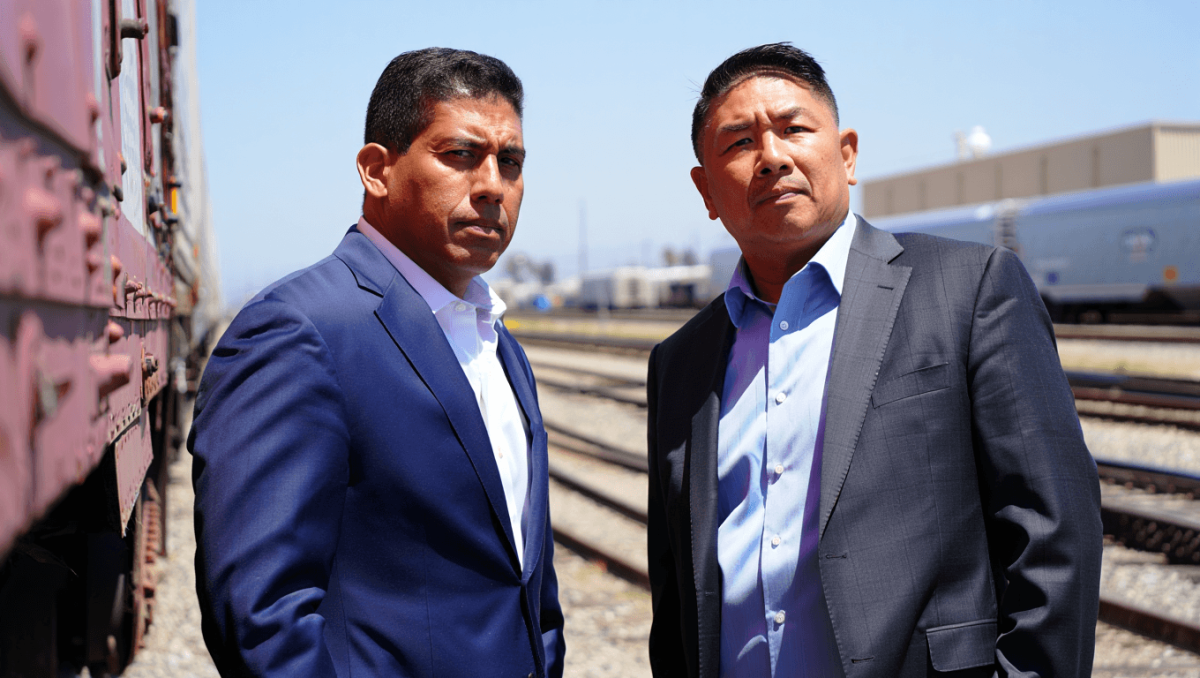
On Tuesday, U.S. Rep. Salud Carbajal joined Santa Maria Valley Railroad president Rob Himoto for a walk-through of the rail line to discuss the immediate fallout of rising fuel costs tied to the recent U.S.-Israel military campaign in Iran. Local officials say the spike in diesel is already altering shipping costs and daily operations on the Central Coast.
Local leaders see supply-chain pain up close
The 14-mile Santa Maria Valley Railroad, which hauls freight such as fertilizer, frozen goods and asphalt, relies on diesel locomotives to move cargo to and from regional ports. Company executives told Carbajal the higher fuel bill is squeezing margins and complicating routine deliveries.
Christa Pike released from hospital after failed execution, attorneys say
Dolly Parton tribute drives Madonna Inn crowds: steakhouse unveils limited menu
“When critical transportation links face rising costs, those expenses are passed directly to consumers,” Carbajal said, according to his communications director, Eduardo Carrizosa. He added that broader policy choices are compounding the pressure on families and small businesses.
What is driving the price jump?
Nationwide, energy markets reacted sharply after the military operations that began Feb. 28, 2026, involving U.S. and Israeli forces and strikes on Iranian targets. Disruptions to crude supplies and heightened risk along maritime routes have pushed up the cost of refined fuels, including diesel.
Diesel prices in California illustrate the shift: the statewide average reached about $7.52 per gallon last Thursday, compared with roughly $5.10 a month earlier. That rapid rise filters through transportation and logistics costs.
Competing explanations from Washington
Political leaders offered divergent takes on why consumers are feeling the squeeze. In remarks to the nation on April 1, President Donald Trump linked recent increases to attacks on commercial tankers in neighboring waters and said those incidents—rather than administration policy—account for the short-term price moves.
Carbajal’s office, by contrast, characterized the conflict and federal decisions as contributors to a broader energy shock hitting the Central Coast economy.
- Freight rail: Higher diesel adds to operating costs for short-line railroads like SMVRR.
- Trucking and delivery: Fuel-intensive last-mile services face steeper bills that can flow through to shippers.
- Agriculture and fisheries: Farm equipment and fishing fleets that rely on diesel are seeing input costs rise.
- Consumers: Increased logistics costs can translate into higher grocery and goods prices over time.
Short-term risks, long-term questions
For businesses that depend on regular rail service, the immediate concern is operational: fewer runs, slower turnarounds and the need to pass on some costs to customers. For households, modest but steady increases in the price of transported goods are the more likely outcome.
This episode also raises policy questions about fuel reserves, routing security and whether federal relief or regulatory moves will be needed to stabilize local supply chains.
Carbajal and Himoto said they plan to continue conversations with state and federal agencies to explore mitigations. Railroad managers are examining fuel-efficiency measures and scheduling adjustments as short-term responses while tracking market developments.