Show summary Hide summary
Oklahoma City is intensifying efforts to make the route from school to steady employment clearer, but nonacademic hurdles — from childcare gaps to poor program navigation — continue to block many learners. With employers across healthcare, aerospace and skilled trades still short-staffed, local leaders say fixing those friction points is urgent for both families and the regional economy.
Education, business and civic groups, led by the Greater Oklahoma City Chamber and consulting partner CivicLab, have been mapping where students lose momentum and where connections between classrooms and jobs break down. Their work reframes the problem: it is not only what students learn, but whether they can see and reach the jobs that learning enables.
What’s keeping students from the labor market?
Beyond test scores and classroom performance, practical obstacles often determine whether a student makes the jump from training to work. Stakeholders identify a cluster of recurring issues that cut across age and income levels.
Christa Pike released from hospital after failed execution, attorneys say
Dolly Parton tribute drives Madonna Inn crowds: steakhouse unveils limited menu
- Transportation: Inconsistent access to reliable transit limits participation in internships, night classes and workplace experiences.
- Childcare: Parents and older students who provide care have fewer options to enroll in training or accept entry-level jobs with nontraditional hours.
- Career awareness: Many young people and families lack clear exposure to real-world careers and the steps needed to enter them.
- System navigation: Multiple programs, funding streams and credentialing pathways create confusion about which options lead to sustainable employment.
Local educators and employers say addressing these barriers can expand the pool of job-ready candidates while helping students make informed decisions about education and work.
Connecting learning to work
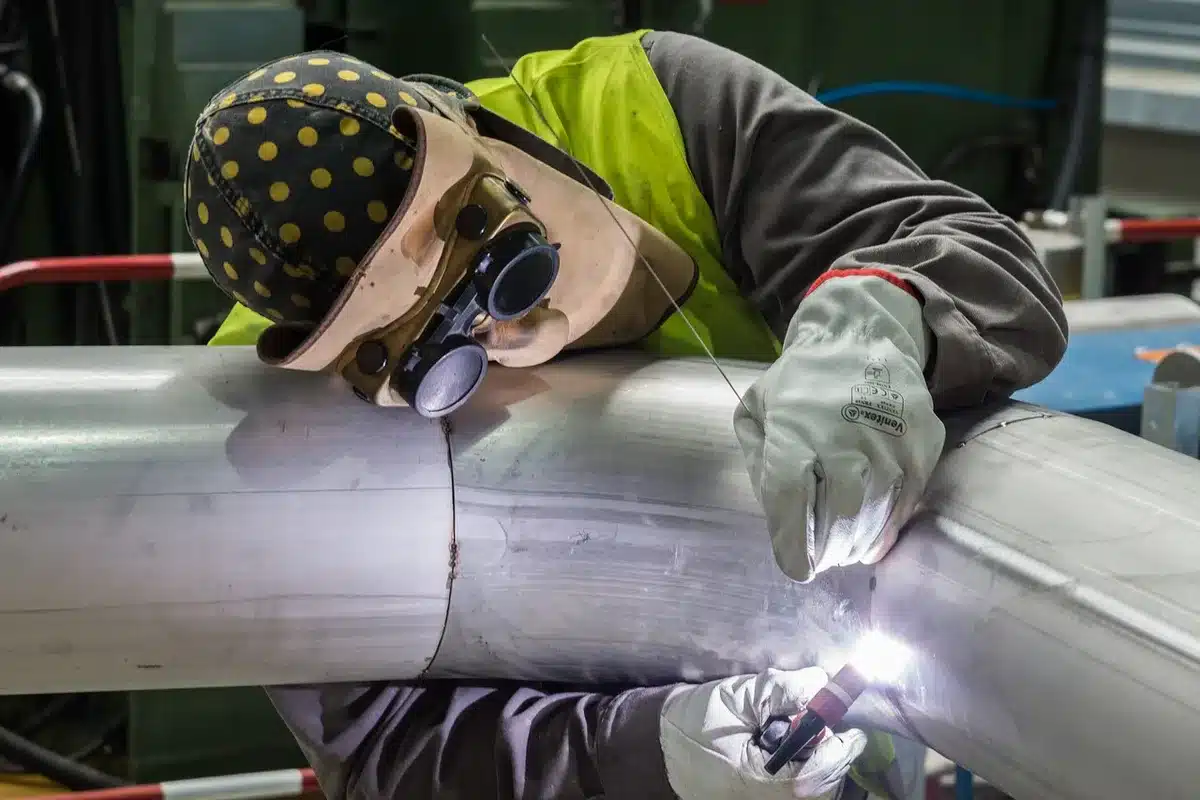
Regional leaders are pushing for more practical, hands-on experiences that link classroom content to employer needs. Activities such as apprenticeships, internships, job shadowing and career fairs are being highlighted as effective ways to translate coursework into employable skills.
Rhonda Baker, the Chamber’s director of education, has emphasized the need for visible, straightforward routes from schooling to careers, arguing that clearer pathways help families plan for the future and students choose relevant programs. Christy Gillenwater, the chamber’s president and CEO, describes the CivicLab partnership as a platform to pull together employers, educators and workforce agencies to reduce duplication and align goals.
Those conversations carry immediate economic stakes: firms in high-demand sectors continue to report vacancies, and policymakers warn that without better alignment the region’s long-term competitiveness may suffer.
Where the work continues
The Chamber plans to keep the discussion in the public eye. Its upcoming State of the Schools event on Aug. 5 at the National Cowboy & Western Heritage Museum is being positioned as an opportunity for leaders to share progress and set priorities for next steps.
Improving the flow from education into employment will require coordinated action — from transit and childcare solutions to expanded career-connected learning — but local leaders argue the payoff is clear: a more resilient talent pipeline and stronger economic prospects for Oklahoma City families.