Show summary Hide summary
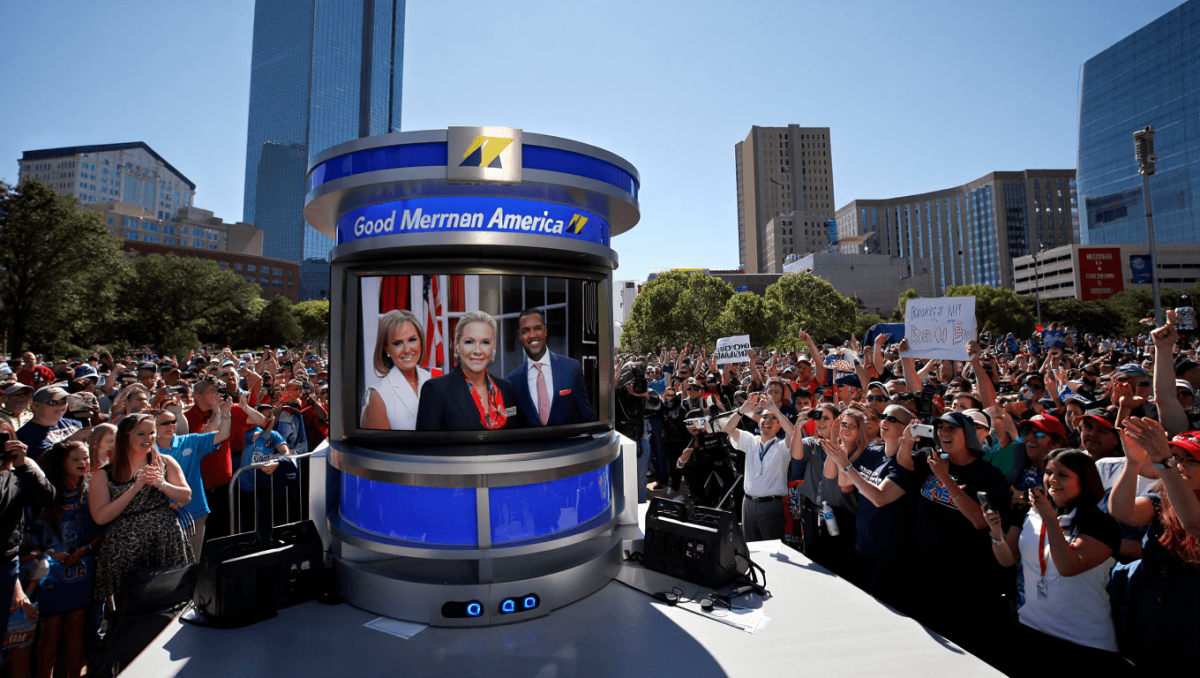
ABC’s morning program Good Morning America set up a live shot in Oklahoma City, drawing a crowd of residents and visitors to a downtown plaza and turning a routine broadcast into a visible local event. The presence of a national morning show brought immediate attention to the neighborhood and raised short-term questions about traffic, access and photo opportunities for fans.
What unfolded on site
The set was arranged outdoors in a public plaza, with cameras, lighting and production staff working in plain view. Passersby paused to watch the broadcast, some recording with phones while others waited to catch a glimpse of hosts and any scheduled guests. Local vendors and nearby businesses saw higher foot traffic during the hours the show filmed.
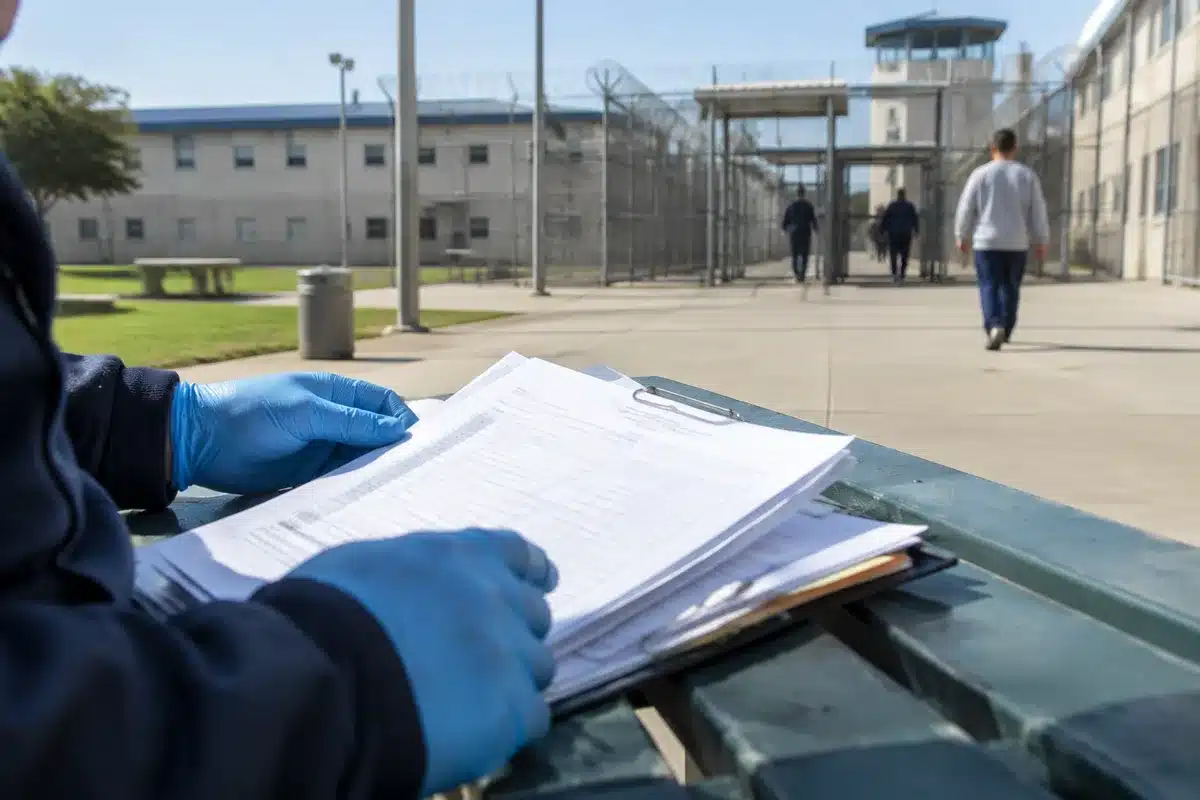
Christa Pike released from hospital after failed execution, attorneys say
Dolly Parton tribute drives Madonna Inn crowds: steakhouse unveils limited menu
On-location broadcasts like this are common for national morning shows: they visually connect a program to communities across the country and can create a lively, if temporary, public gathering.
Why this matters now
Live network broadcasts do more than entertain. They momentarily raise a city’s profile on a national platform, which can help local tourism and highlight civic initiatives or events showcased during segments. For residents, the immediate effects are practical — altered traffic patterns, brief road closures and increased crowd density — and experiential, offering a rare chance to see national television production up close.
- Visibility: A national broadcast places local stories and places in front of millions of viewers.
- Economic ripple: Nearby restaurants and shops often see short-term gains from increased pedestrian traffic.
- Logistics: Filming can require permits, security perimeters and temporary street or parking restrictions.
- Public interest: Fans and curious residents typically arrive early to secure good viewing spots and take photos.
Practical tips for attendees
If a national morning show visits your city, plan ahead. Arrive early to find a spot, expect bag checks and limited restroom access, and be prepared for noise from production equipment. Respect cordoned areas and staff instructions — safety and broadcast needs often dictate movement and viewing angles.
For local businesses, accommodating extra visitors can be an opportunity: adjust staffing where feasible, streamline takeaway service, and clearly mark entrances to manage new foot traffic.
Broader perspective
Televised visits are part storytelling, part civic promotion. While they last only hours, their reach is wide: segments may be replayed online, shared on social platforms and linked to local coverage, extending the moment beyond the city streets. For communities, the real value often depends on how well local leaders and businesses leverage that spotlight after the cameras leave.
Observers in Oklahoma City described the scene as energetic and orderly, and residents reported enjoying the unexpected downtown spectacle. Whether a short-term boost converts into longer-term attention depends on follow-up coverage and the stories highlighted during the broadcast.