Show summary Hide summary
After a deadly attack at the Islamic Center of San Diego on May 18, Muslim leaders in Oklahoma say their communities are reassessing safety and watching national trends closely. The assault — and the ideology tied to it — has reignited fears that hostile rhetoric at home can quickly translate into violence at places of worship.
Two people opened fire at the San Diego mosque shortly before noon, killing three adult men who intervened and were later praised for confronting the attackers. Both suspects died from self-inflicted wounds after leaving behind a lengthy written document that investigators say echoes extreme-right violence and white supremacist conspiracy theories.
Christa Pike released from hospital after failed execution, attorneys say
Dolly Parton tribute drives Madonna Inn crowds: steakhouse unveils limited menu
What authorities say and why it matters
Local and federal investigators are treating the incident as a potential hate crime. The recovered document reportedly referenced the 2019 massacre in Christchurch and promoted the so-called great replacement theory, a racist belief that has inspired multiple international attacks in recent years. Law enforcement officials have cautioned that motives are still under review as the investigation continues.
The national resonance of the case is immediate: when an attack at a major mosque draws connections to international extremist literature, communities far from the scene—like those in Oklahoma—face both practical and emotional consequences.
Oklahoma faith leaders respond
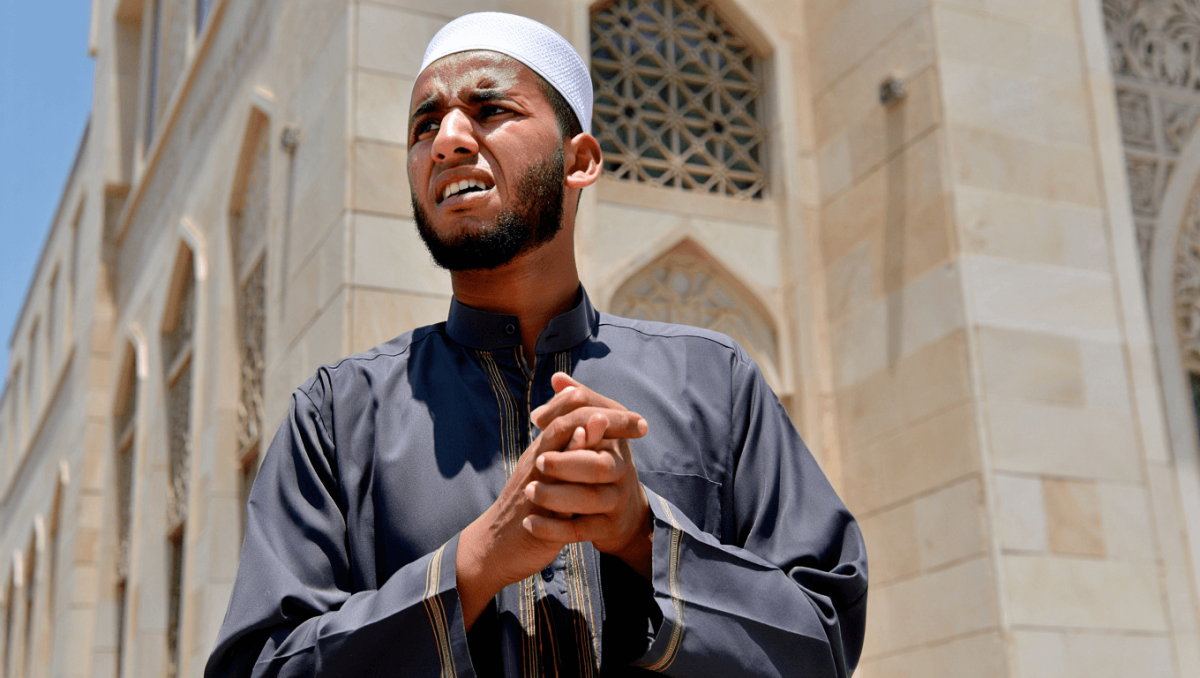
Imam Imad Enchassi of the Islamic Society of Greater Oklahoma City said his first response was to pray for the victims and to alert his congregation. Leaders there emphasize that places of worship should remain safe havens, not targets.
Veronica Laizure, executive director of CAIR-Oklahoma, described a marked increase in hostile language and threats targeting Muslims in the state over recent years. She pointed to renewed legislative efforts aimed at banning Sharia-inspired laws and to contentious local debates over mosque construction that have amplified anti-Muslim sentiment.
Community organizers report a rise in abusive social-media posts and direct threats, forcing faith institutions to have frank conversations about security without publicly detailing protective measures.
Immediate facts at a glance
- Date and place: May 18 — Islamic Center of San Diego.
- Casualties: Three adult men killed at the scene; suspects later died by self-inflicted wounds.
- Evidence recovered: A long manifesto invoking past mass attackers and extremist ideologies.
- Investigative status: Authorities are probing the incident as a possible hate-motivated attack; inquiries remain active.
- Local impact: Muslim communities in other states report heightened fear, increased security planning and more hostile online activity.
Security, solidarity and the political climate
Leaders in Oklahoma say they have taken security seriously since the New Zealand attacks in 2019 and are reviewing procedures again in the wake of San Diego. They also stress the limits of public discussion about specific protections for safety reasons.
The broader concern voiced by advocates is not only physical safety but the way inflammatory public rhetoric can normalize prejudice and escalate into violence. CAIR-Oklahoma has documented a growth in Islamophobic incidents and points to local political disputes—such as rezoning fights over proposed mosques—as amplifiers of anti-Muslim sentiment.
Religious and civic groups in the state say they are meeting with law enforcement, coordinating with interfaith partners, and reminding congregants to report threats. At the same time, they urge the public to rely on official updates rather than speculation.
What to watch next
Investigations into the San Diego shooting are ongoing and could produce new details about motive, planning and any broader networks. For communities outside California, the developments are a reminder that domestic incidents often have transnational ideological links—and that local tensions can create fertile ground for copycat attacks.
Faith leaders in Oklahoma and elsewhere say they will continue to balance vigilance with outreach: protecting worshippers while working to reduce the hostile environment that feeds such violence.