Show summary Hide summary
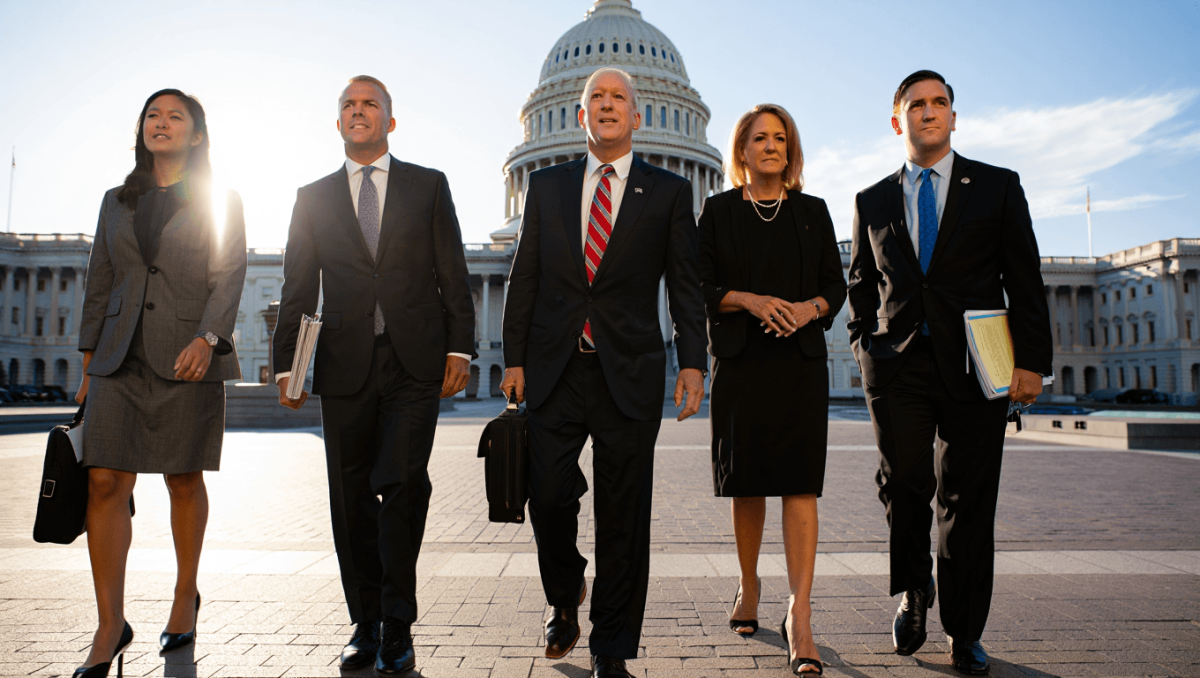
This spring, a delegation from the Greater Oklahoma City Chamber traveled to Washington, D.C., to press federal officials for support on priorities that could shape growth across central Oklahoma. The outreach — timed as federal spending and regional planning decisions are being set — aims to translate national policy and funding into local jobs, projects and long-term competitiveness.
The group held meetings with members of Oklahoma’s congressional delegation, several federal agencies and partner organizations to outline priorities ranging from transportation upgrades to workforce training and preparation for major events. Organizers framed the visits as an effort to move conversations from general interest to concrete commitments.
Top issues on the agenda
Leaders focused on a compact set of priorities that would affect daily life and economic prospects across the region:
Christa Pike released from hospital after failed execution, attorneys say
Dolly Parton tribute drives Madonna Inn crowds: steakhouse unveils limited menu
- Infrastructure: advocacy for federal support for roads, bridges and transit projects that can reduce commute times and support new development.
- Workforce development: expanding training pipelines and apprenticeship programs to meet employer demand and boost local hiring.
- Major event investment: positioning Oklahoma City to benefit from opportunities tied to the 2028 Olympic Games and other large-scale regional initiatives.
- Coordination with federal agencies to accelerate permitting and access to competitive grant programs.
Those conversations are not just technical. Federal dollars and regulatory decisions can determine whether a planned project moves forward, how quickly workers receive training, and whether regional hubs attract new employers.
A statewide approach: coordinating with Tulsa
For part of the trip, the delegation joined the Tulsa Regional Chamber for shared programming — a deliberate step to present a unified state-level message in the nation’s capital. Officials said the joint sessions helped align talking points and showcased a broader Oklahoma economic agenda rather than isolated local requests.
The collaboration signals a shift from competing for attention to coordinating strategies, which can strengthen grant applications and make the state a clearer partner for federal agencies.
Behind the scenes, these meetings also serve as relationship building: chamber leaders meet staffers, agency officials and legislators’ offices who will manage or influence funding decisions over the coming months.
Why this matters to residents
Advocacy trips like this are one of the primary channels through which regional priorities are translated into federal action. Successful engagement can lead to:
- faster delivery of transportation projects that improve daily commutes;
- expanded training programs tied to higher-paying local jobs;
- access to competitive grants that lower the cost of major community investments;
- greater visibility for Oklahoma City when federal agencies allocate resources for multi-state initiatives.
None of these outcomes is guaranteed — congressional appropriations and agency approvals remain the deciding factors — but the Washington visits are a practical step in positioning the region for funding and partnerships.
As federal decision timelines continue to tighten ahead of next year’s budget cycles and the lead-up to 2028, the chamber’s annual delegation underscores a simple point: winning federal attention now can change what gets built, who gets hired, and how quickly the region can capitalize on national opportunities.