Show summary Hide summary
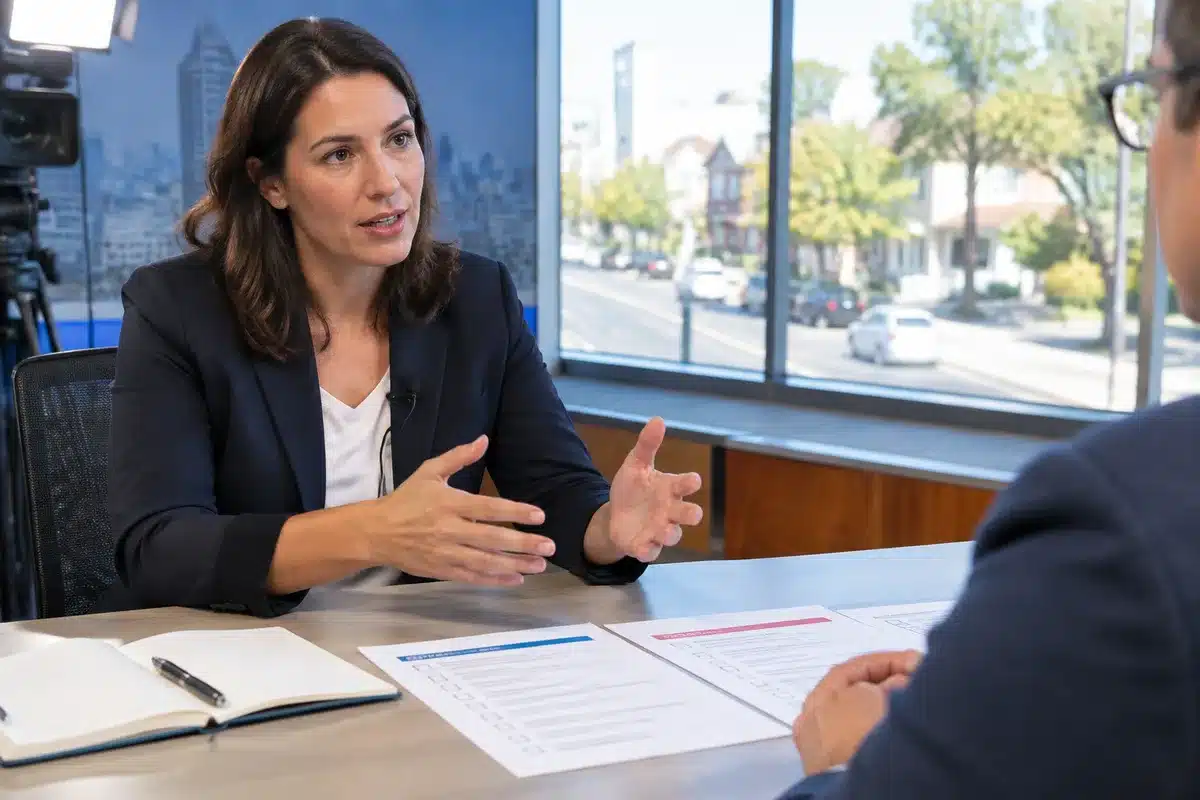
T.W. Shannon, the Republican nominee for Oklahoma lieutenant governor, made a recent appearance on Mustang’s local news program Flash Point to discuss the state’s political landscape and wider election issues. The conversation touched on both Oklahoma and national races and put particular emphasis on the role of election observers—a topic that remains central to public confidence in voting ahead of upcoming contests.
Focus of the interview
During the segment, Shannon addressed how campaigns and officials are preparing for the next round of elections and the practical challenges of overseeing vote counting. He framed the conversation around administrative readiness and voter trust rather than partisan tactics.
Ronald McDonald House OKC hits 68-room milestone: new CEO to lead expanded services
Powder mailed to officials before election: man charged after hundreds of letters

Local television programs such as Flash Point are increasingly serving as forums for candidates to explain how they would approach election administration if elected. That matters now because procedural questions—about who monitors ballots, how counts are verified, and which safeguards exist—can shape both turnout and legal scrutiny in close races.
What emerged from the discussion
- Election monitors: The segment examined who should serve as observers, what powers they should have, and how their presence affects perceptions of fairness.
- State vs. national stakes: Conversations ranged from Oklahoma’s ballot processes to how national narratives about election integrity influence local officials.
- Administrative preparedness: Attention was paid to staffing, training, and resources needed at county election offices to handle high-turnout contests or recount scenarios.
- Public confidence: Panelists noted that transparency in procedures is central to maintaining voter trust, regardless of party.
Shannon’s appearance is notable because it offers voters a window into how a leading statewide candidate views the mechanics of elections—a subject that feeds directly into debates over access, security, and legitimacy. For residents weighing candidates, statements about election administration provide concrete clues about priorities once in office.

Broader implications
Discussion about observers and oversight is not purely technical. The way officials set rules for election monitors can influence post-election litigation, the speed at which results are certified, and voter perceptions about whether their ballots count. Those outcomes can, in turn, affect civic engagement and policy agendas at the state level.
Local news interviews like this one also help set the terms of public debate: they turn abstract policy questions into practical concerns voters can evaluate before casting ballots.
Mustang’s Flash Point continues to host candidates and subject experts ahead of the next election cycle, keeping the focus on procedural clarity and public understanding of how votes are managed and validated.