
Show summary Hide summary
Equity markets turned lower on Friday as another bout of weakness among major technology names put downward pressure on benchmarks, dimming a recent stretch of broad gains and forcing traders to rethink near-term risk. The slide highlighted how concentrated leadership in a handful of firms can quickly affect market sentiment.
Shares in several large-cap tech companies sank during the trading session, with the losses spreading to growth-oriented parts of the market. The move left investors watching closely for signs whether this is a short-lived correction or the start of a more extended cooling in prices.
What pushed markets lower
Analysts point to a mix of factors behind the pullback. Elevated valuations in several flagship technology issuers have increased sensitivity to even modest shifts in expectations for earnings and interest rates.
VeloCity October 2026: major changes and what they mean for riders today
Brent Swadley sentencing: attorney general seeks 10-year prison term
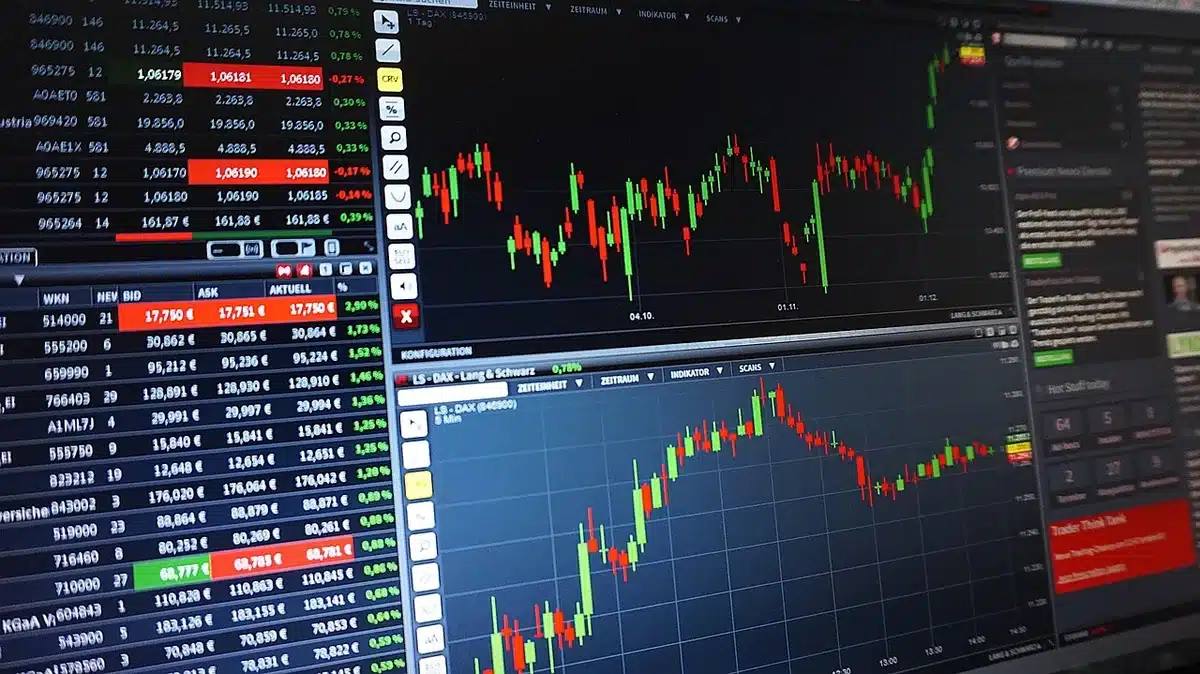
At the same time, traders noted rising yields on government bonds and a handful of recent corporate results that fell short of optimistic forecasts, nudging sentiment toward caution. Those dynamics often amplify selling in stocks that had led the market higher.
For now, the broader economy and central bank messaging remain important backdrop elements: investors are parsing incoming economic reports and any comments from policymakers for clues about the pace of future rate moves.
Immediate implications for investors
- Short-term traders: Volatility can create opportunities but also increases risk; position sizing and stops matter more during sudden swings.
- Long-term investors: Pullbacks can offer rebalancing moments; maintaining a diversified plan usually reduces the need for abrupt reactions.
- Retirement savers: Temporary drops typically have less impact over decades-long horizons, though timing matters near liquidity needs.
- Corporate borrowers and issuers: Higher yields and market volatility can raise the cost of capital and affect capital-raising plans.
Market participants will be watching several near-term events for direction: scheduled corporate earnings from technology firms, upcoming economic indicators, and any speeches from central bank officials. Those releases could either stabilize sentiment or extend the current decline.
While a retreat led by a concentrated group of stocks is not unusual after an extended advance, its effects are broad because of how much market leadership has narrowed. That concentration means moves in a few names can translate quickly into headline volatility for major indexes.
Investors and observers should expect continuing noise in the days ahead as the market digests fresh company reports and macroeconomic data. For now, the session on Friday underscored a simple reality: when a small cluster of heavyweights stumbles, the whole market can feel it.