Show summary Hide summary
As outdoor activity climbs with warmer weather, Oklahoma’s mix of tallgrass prairie, wooded river valleys and sprawling lakes is again drawing hikers, anglers and campers—alongside fresh challenges that affect trip planning and safety. From fluctuating water levels to invasive species concerns, here’s what Oklahomans and visitors need to know right now.
Oklahoma’s outdoors offers concentrated diversity in a relatively small area: rolling plains in the west, forested hills in the east, and a chain of reservoirs that shape recreation patterns. That variety means conditions can shift rapidly from one county to the next, so local updates matter as much as statewide trends.
On-the-ground conditions to watch
Summer heat often arrives early and can amplify wildfire risk in dry stretches. In some basins, lake levels remain inconsistent after years of variable rainfall—affecting boat ramps, beaches and fishable shoreline. Anglers and boaters should plan for changing access points and occasional temporary closures.
Christa Pike released from hospital after failed execution, attorneys say
Dolly Parton tribute drives Madonna Inn crowds: steakhouse unveils limited menu
Parks and natural areas may also be managing outbreaks of invasive species that change how waterways are used. Simple steps—like inspecting watercraft and gear—are practical protections for both ecosystems and future recreation access.
Top activities and practical tips
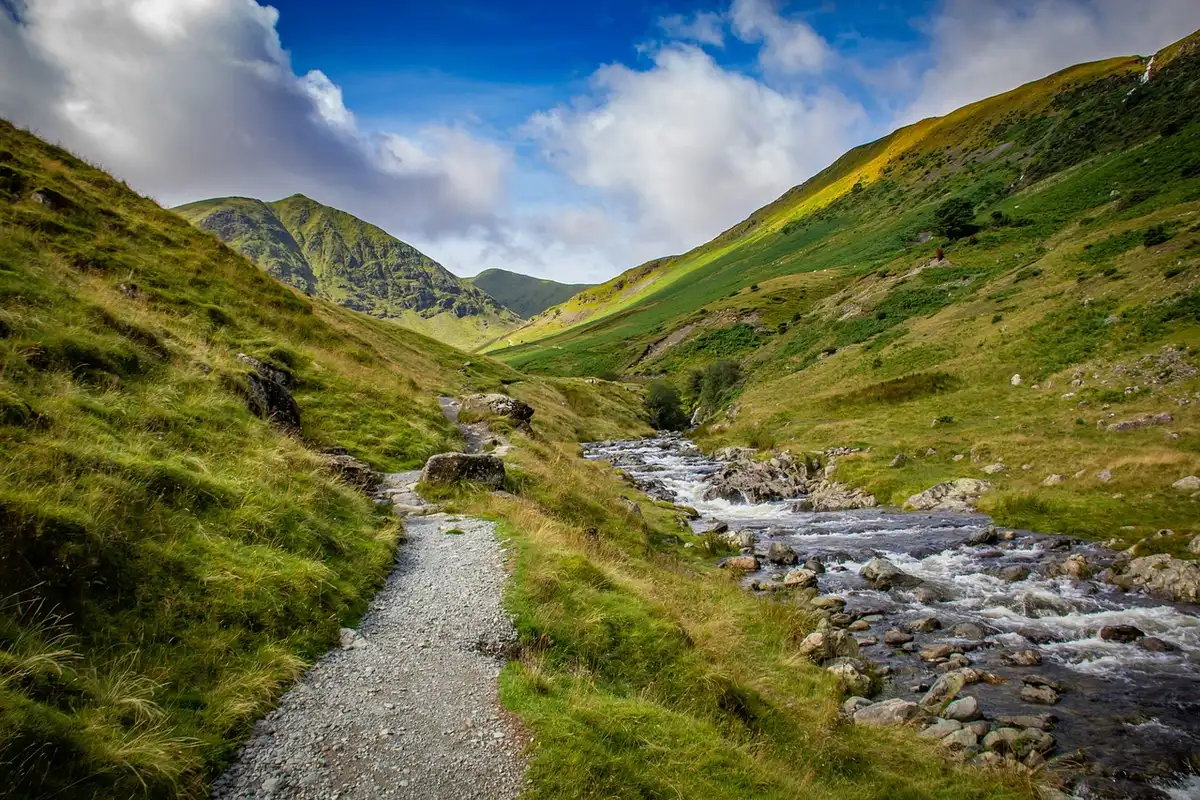
- Hiking: Trails in eastern forests can be shaded and cooler, while western prairie routes offer open exposure. Carry water, sun protection, and a paper backup map when cell service is spotty.
- Fishing: Reservoir conditions vary; check ramp access before heading out. Seasonal patterns influence species behavior, so adjust bait and tactics accordingly.
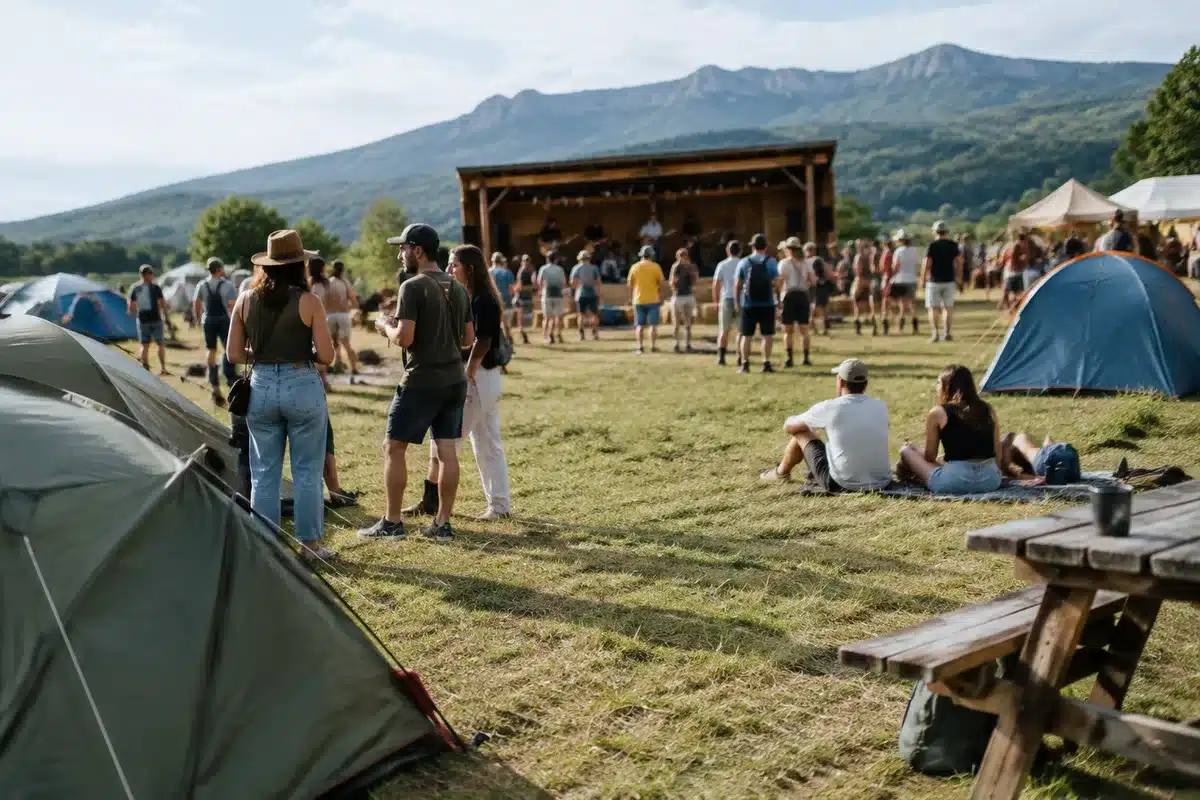
- Camping: State parks and private campgrounds fill quickly on holiday weekends. Reserve ahead when possible and follow local fire rules—conditions can change without much notice.
- Birdwatching and wildlife viewing: Migration windows and nesting cycles offer strong viewing opportunities, especially along riparian corridors. Use binoculars and keep distance to avoid disturbing habitat.
- Off‑road and trail riding: Stick to designated routes to protect soils and vegetation; closures for land management are sometimes seasonal.
These activities carry small but real environmental impacts; minimizing footprints preserves access and habitat quality for everyone.
Conservation pressures and access implications
Two ongoing concerns in Oklahoma’s outdoors require attention from visitors:
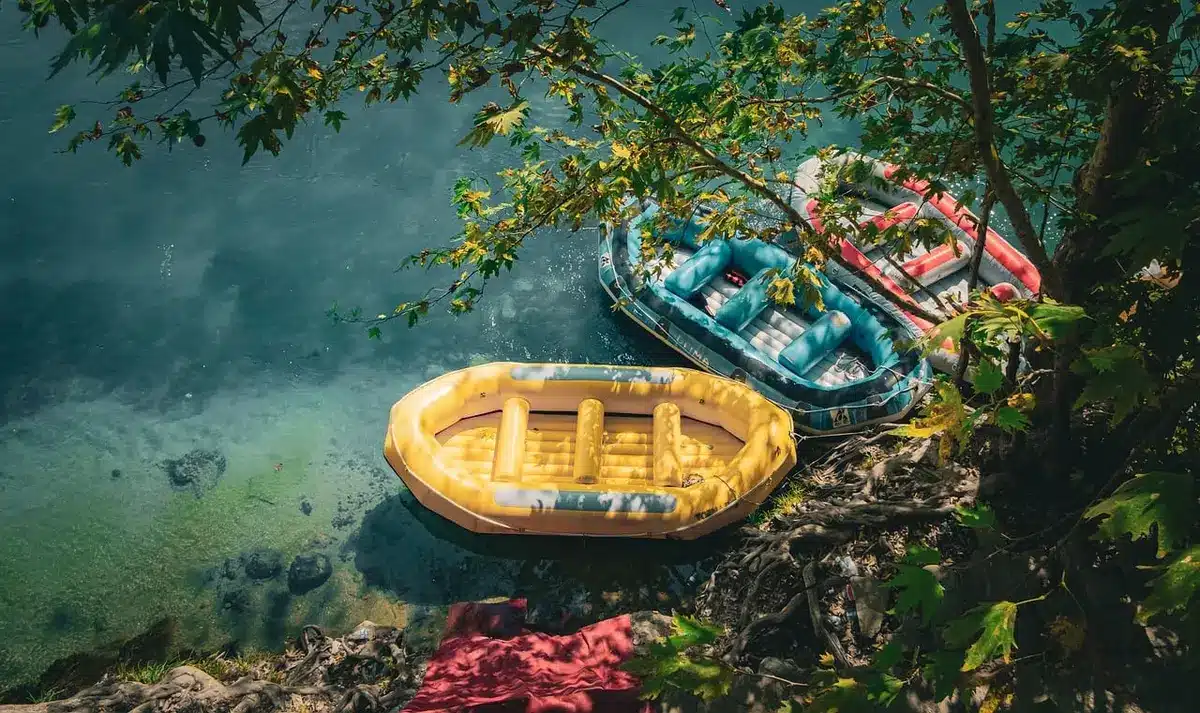
- Invasive aquatic species—such as zebra mussels—can spread rapidly via boats and equipment. Cleaning and draining watercraft between sites reduces the risk.
- Feral hogs affect land health and can create hazards on trails and roadside areas. Report sightings to local land managers and avoid direct contact.
Local land managers sometimes impose restrictions—temporary fishing closures, boating advisories or trail reroutes—to protect resource recovery. Those actions can be inconvenient but help preserve long-term recreation opportunities.
Safety essentials
Outdoor safety in Oklahoma centers on heat awareness, water handling and wildlife precautions. Heat-related illness can escalate quickly on exposed prairie or while paddling under direct sun; frequent hydration and planned shade breaks reduce risk. When on the water, life jackets save lives—wear them, especially for children and inexperienced swimmers.
Ticks and biting insects peak in warmer months; perform routine checks after hikes and treat clothing or gear when recommended. If you use a trail or water access managed by a local authority, check alerts before you go—closures and advisories are updated most reliably by parks and county officials.
Planning resources
Before you travel, confirm current conditions via official park pages, local conservation districts or county websites. Weather forecasts, road conditions and facility notices will shape whether a day trip is safe or should be postponed.
Responsible planning preserves the experience for others and reduces strain on the landscapes that draw people outdoors. Whether you’re after a quiet reservoir cast, a weekend backpack or a family camping night, up-to-date information and simple precautions make the difference between a good outing and an avoidable problem.