Show summary Hide summary
BioBlitz Oklahoma returns to southeast Oklahoma this fall, bringing scientists and volunteers together to inventory life across Beavers Bend State Park from Oct. 2–4. The three-day effort — the first statewide BioBlitz since 2019 — will produce field observations that could directly inform conservation and land-management choices.
Community science meets fieldwork in Broken Bow
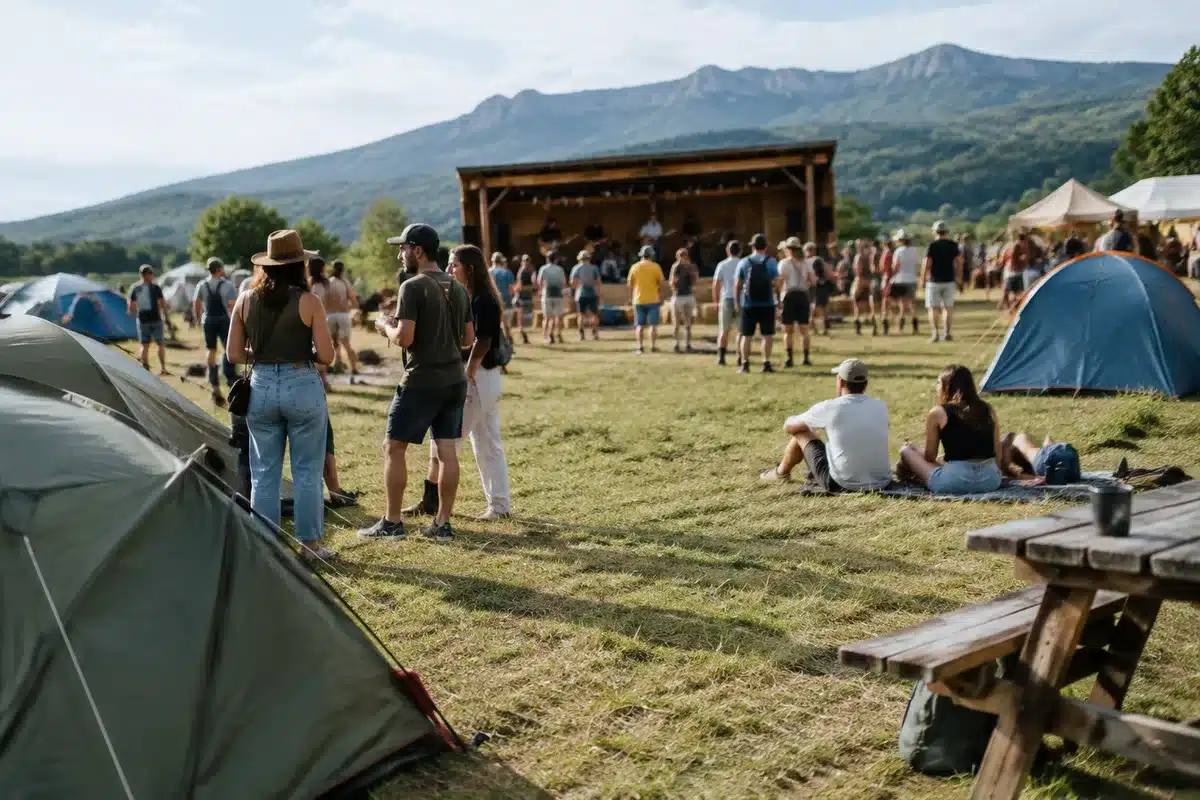
The event at Beavers Bend State Park is free and open to the public, organizers say, with guided outings ranging from short, family-friendly walks to more demanding, off-trail surveys led by species specialists. The Oklahoma Department of Agriculture’s environmental programs manager, Marissa Lippincott, describes the weekend as a chance for residents to both observe and record the park’s plants, animals and fungi in situ.
Christa Pike released from hospital after failed execution, attorneys say
Dolly Parton tribute drives Madonna Inn crowds: steakhouse unveils limited menu
Participants will use a smartphone platform to log sightings that, after review, can become research-grade observations available to scientists. That bridges casual observation and formal data collection—turning weekend hikes into pieces of a larger ecological dataset.
What attendees will do — and why it matters
Organizers emphasize hands-on learning and practical outcomes: identifying native, drought-tolerant species useful for landscaping and conservation; mapping species ranges; and improving local knowledge about ecosystem health. Andrew Fleet, a water-conservation educator with Oklahoma County, says field experiences are especially effective for understanding ecological connections that a classroom cannot reproduce.
- Guided species identification hikes for all skill levels
- Off-trail surveys with experts (recommended for older teens and adults)
- Workshops demonstrating how to use the iNaturalist app for recording observations
- Opportunities to learn about native, drought-resistant plants and watershed interactions
- Collection of data that may be used by state researchers and land managers
From phone photo to scientific record
The primary tool for documenting sightings will be the iNaturalist app, a community science platform supported by institutions including the California Academy of Sciences and National Geographic. Users upload photos and location data; many entries are verified by experts and can be incorporated into scientific analyses and conservation planning.

That verification process is central: accurate, time-stamped observations tied to places help scientists track species distributions, spot invasive species early, and monitor conservation outcomes over time.
Learning in the landscape
Fleet notes that observing species in their natural context—seeing insects at work in a stream, watching plant communities respond to local microclimates—often changes how people think about land management at home and in public spaces. Residents who learn which native groundcovers or shrubs thrive in Oklahoma’s variable climate may shift planting choices, reducing water use and supporting local biodiversity.
BioBlitz organizers say the program is intended to inspire continued involvement: beyond a single weekend, the data and skills gained can feed long-term projects and stewardship efforts across the state.
Practical details
The event runs Oct. 2–4 and is open to participants of all ages and experience levels. Organizers recommend that younger children join the easier discovery hikes, while some advanced surveys will be suitable only for older teens and adults because they involve off-trail travel and rough terrain.
Why this matters now: After a multi-year pause in statewide BioBlitzes, the return of this event creates a timely opportunity to update ecological records, engage new volunteers in conservation science, and strengthen local capacity to respond to environmental change.