
Show summary Hide summary
This Saturday morning Scissortail Park in Oklahoma City will host a community health day aimed at getting Black men into care with screenings, exercise and entertainment designed to reduce barriers to routine checkups. Organizers say the goal is simple: make basic health information available in a relaxed, familiar setting so people can act before problems escalate.
Dierdra Coleman, with the African American Male Wellness Agency OKC, framed the event as a neighborhood clinic delivered outdoors. She said bringing assessments and health education to a public space can catch preventable risks early and encourage ongoing care.
What will be offered
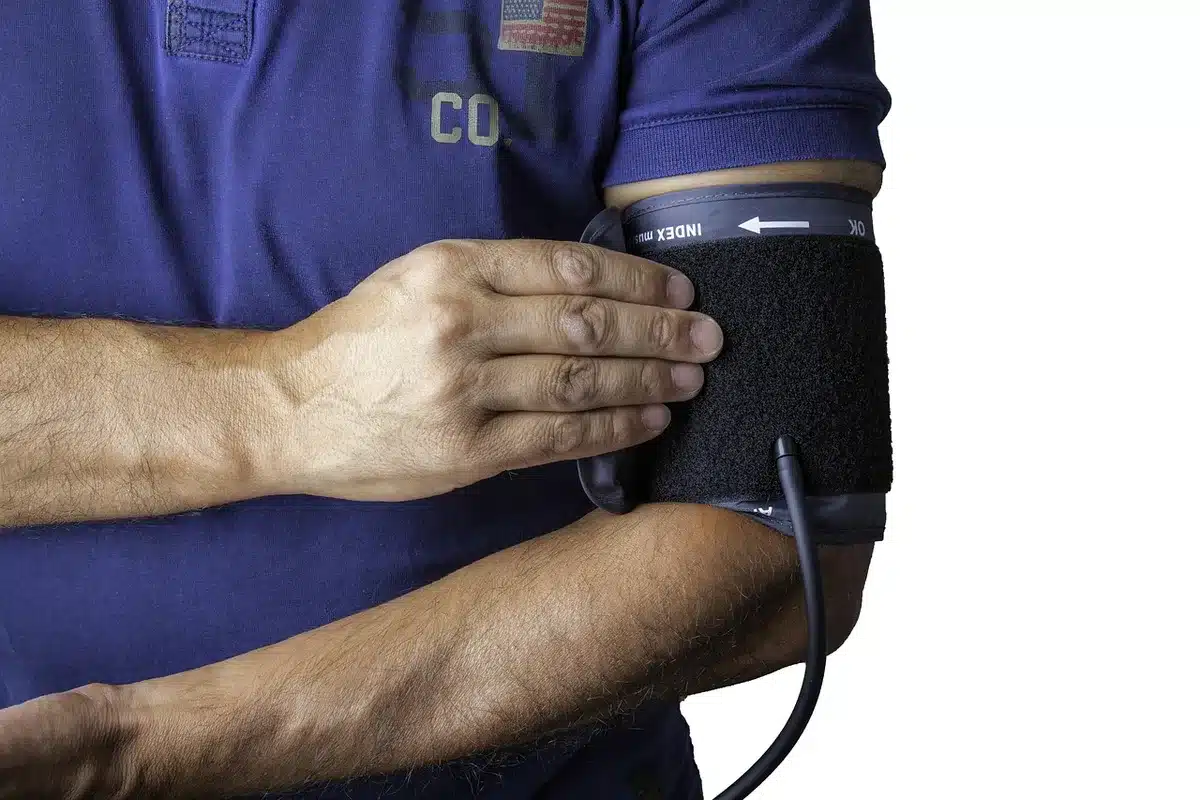
- Biometric screenings beginning at 7:00 a.m., including blood pressure and blood-glucose checks
- 5K run or a 1-mile walk around the park at 9:00 a.m.
- Designated areas for older adults and children, cooling stations and plentiful bottled water
- Live music, a DJ and stage entertainment to create a comfortable atmosphere
- On-site staff ready to explain results and suggest next steps for follow-up care
Christa Pike released from hospital after failed execution, attorneys say
Dolly Parton tribute drives Madonna Inn crowds: steakhouse unveils limited menu
Organizers emphasize the practical stakes: knowing your numbers—blood pressure and glucose levels, for example—helps people take timely steps to prevent chronic conditions from worsening. The event packages those screenings with low-pressure activities so participants do not feel like they are walking into a clinical appointment.
Who should attend
Although promoted as a Black Men’s Wellness Day to focus outreach where disparities are greatest, the event is open to everyone and encourages family participation. Coleman invited partners, friends and relatives to attend together so health conversations can continue at home.
All services at the event are free. Registration is available online or on-site; the program runs from 7:00 a.m. to 12:00 p.m. For advance sign-up, visit www.aawellness.org/okc.
By pairing screenings with recreation and entertainment, organizers hope to remove the friction that keeps many people from routine care—making early detection easier and potentially preventing avoidable hospital visits down the line.