Show summary Hide summary
Health officials say the United States has recorded its first measles fatalities of 2026 amid a year already defined by a surge of outbreaks nationwide. The deaths underline how rapidly measles can spread in communities with low vaccination coverage and why public health authorities are intensifying containment measures.
The cases were confirmed this month as state and local health departments reported multiple clusters of infection across different regions. Public health leaders describe the situation as part of a wider uptick: already, investigators have tracked several dozen separate measles outbreaks since the start of the year.
Why this matters now
Christa Pike released from hospital after failed execution, attorneys say
Dolly Parton tribute drives Madonna Inn crowds: steakhouse unveils limited menu
Measles remains one of the most contagious vaccine-preventable diseases. When pockets of the population lack immunity, the virus moves quickly, posing particular danger to infants, people with weakened immune systems and those who cannot receive the vaccine for medical reasons.

There are immediate practical consequences: hospitals may see increased pediatric admissions, schools and childcare centers could impose temporary exclusions, and local health departments will need to deploy resources for contact tracing and vaccination campaigns.
What public health officials are doing
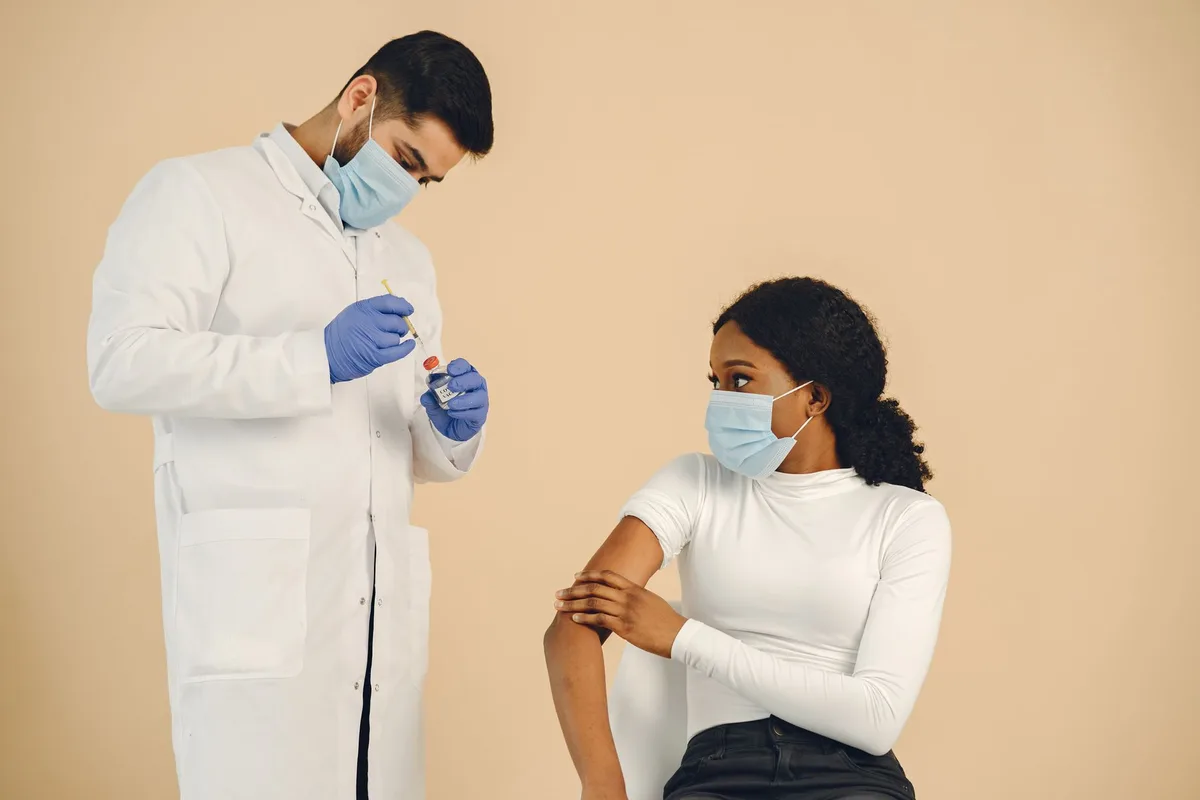
State and local agencies are expanding testing and accelerating vaccination efforts. In many affected areas, health departments are offering free or low-cost MMR vaccine clinics and notifying individuals who may have been exposed.
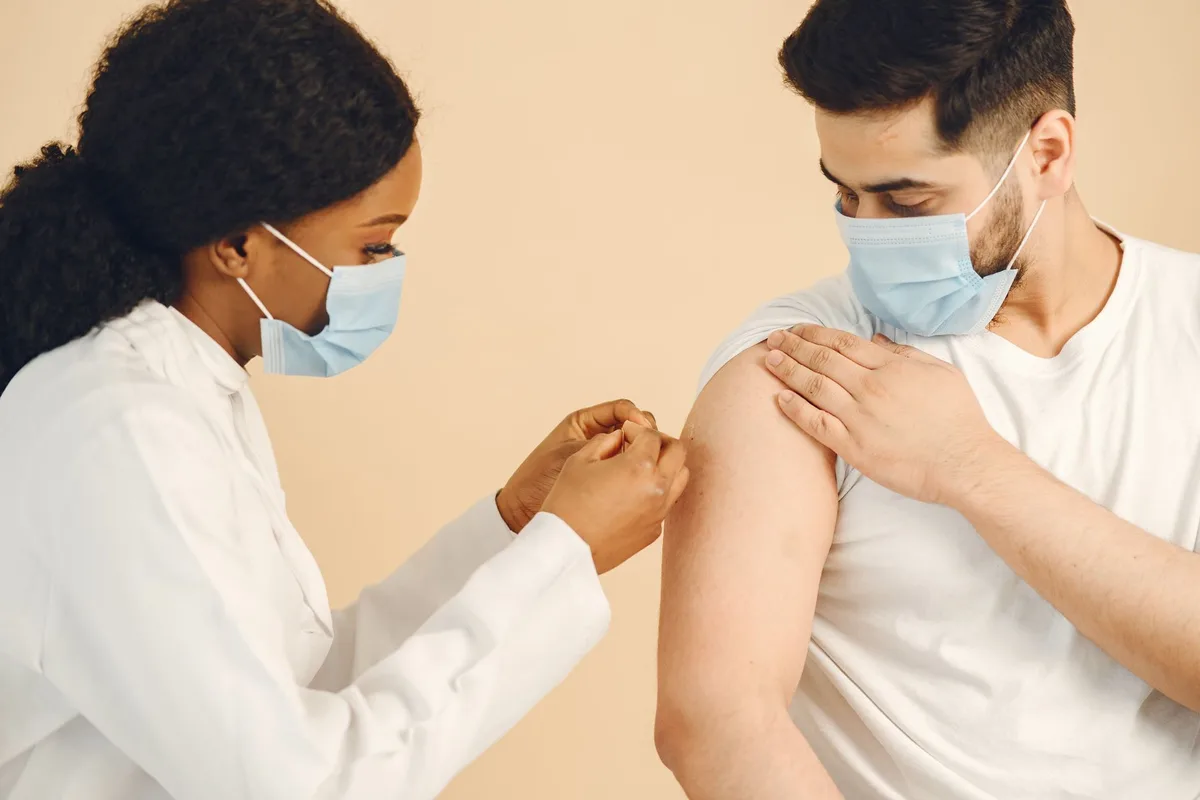
When someone is exposed, officials may recommend post-exposure measures such as a timely MMR dose or, in certain high-risk cases, immunoglobulin therapy. These steps can reduce the chance of severe illness if administered promptly.
- Transmission risk: Measles can be airborne and lingers in enclosed spaces for hours after an infected person leaves.
- Vulnerable groups: Young infants and immunocompromised people face the highest risk of complications.
- Containment tools: Rapid vaccination, case isolation, and thorough contact tracing remain the primary defenses.
Health officials point to a mix of factors fueling the resurgence: gaps in vaccine coverage, international travel that can reintroduce the virus, and clustering of unvaccinated individuals that creates fertile ground for outbreaks. While measles was declared eliminated in the U.S. years ago, elimination relies on consistently high vaccination rates to prevent importations from rebooting transmission chains.
What to watch next
Public health agencies will be monitoring case counts, hospitalization rates and the geographic spread of outbreaks over the coming weeks. Officials have urged clinicians to consider measles when evaluating patients with fever and rash and to report suspected cases immediately.
For families, the near-term takeaway is straightforward: check vaccination records, ensure children are up to date with the MMR series, and follow guidance from local health departments if exposure is reported. Quick action now can limit further spread and reduce the chance of more severe outcomes.