Show summary Hide summary
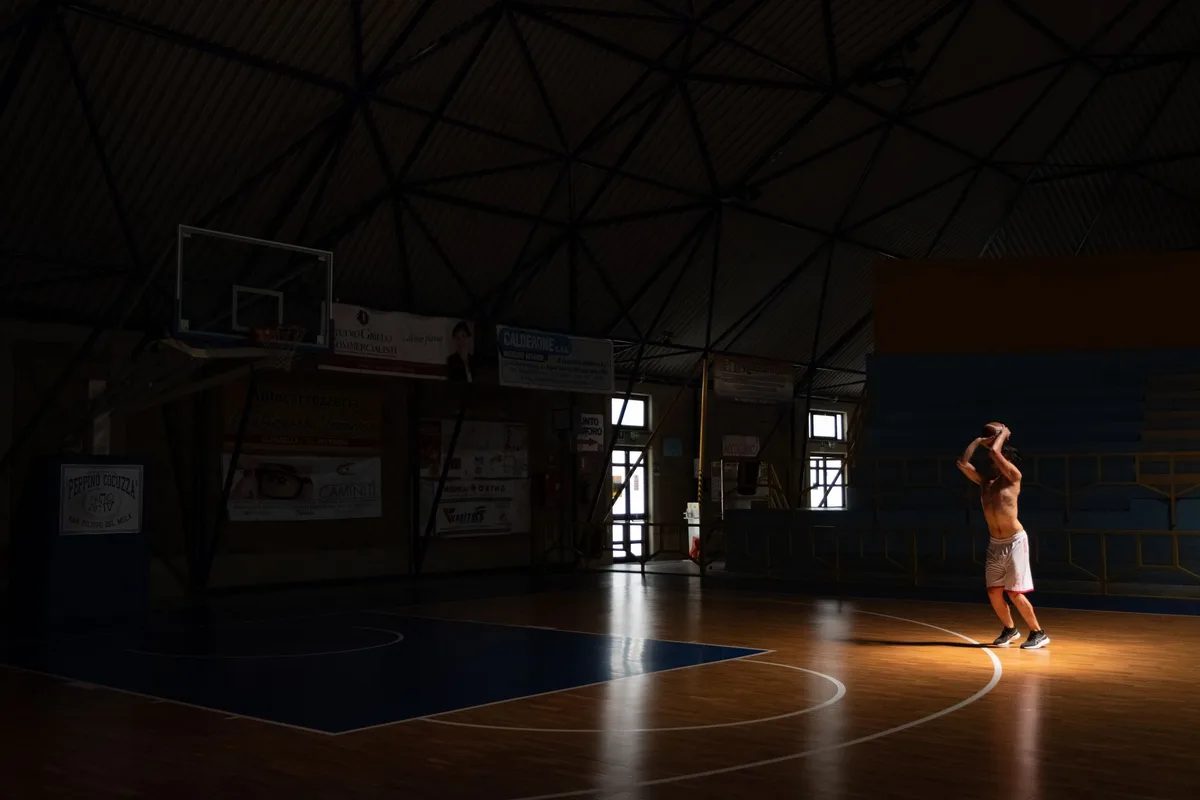
In less than a year, a family-run experiment in Northern Virginia has escalated into one of the country’s most watched prep basketball operations — not because of a single star signing, but by combining a classroom-first approach with year-round elite training. That hybrid model and the program’s rapid national results matter now as college recruiting shifts after the NCAA’s transfer portal reshaped how players move and how programs prepare them.
The project began with a simple premise: create a school where rigorous academics and high-level basketball coexist, producing players ready to contribute on major college rosters and students able to navigate college life independently. The result, Gillion Academy, opened its doors in fall 2024 and quickly positioned itself on the national stage.
From a warehouse to a national program
Founding principal and head of school Darrance Gillion began building in Northern Virginia after years working in education and youth basketball programs. Drawing on prior operations in Florida and a growing AAU presence called Team Breakdown, the Gillions secured a 12,000-square-foot former book warehouse in Springfield, Virginia, and later added an adjacent 6,000-square-foot space to scale.
Christa Pike released from hospital after failed execution, attorneys say
Dolly Parton tribute drives Madonna Inn crowds: steakhouse unveils limited menu
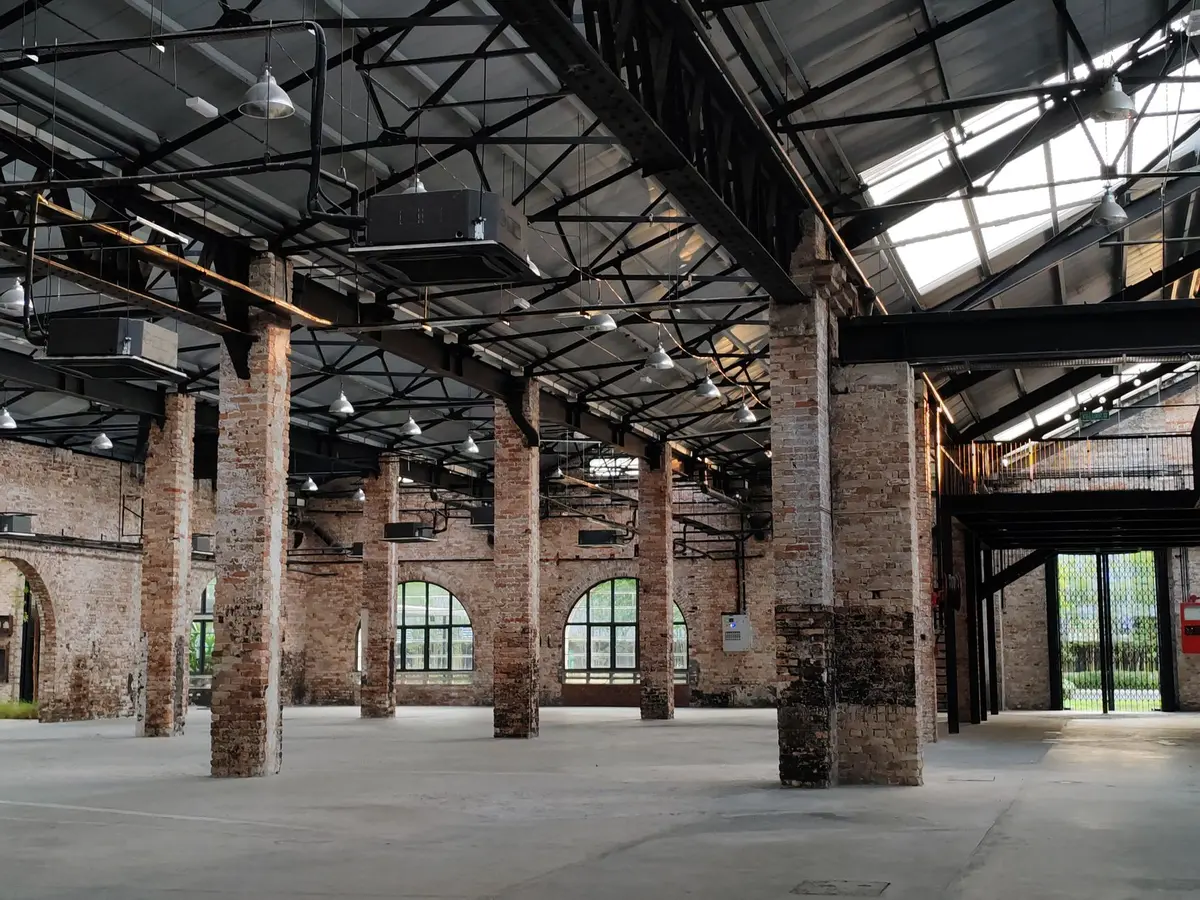
The physical build required sweat equity and risk. Family investors put up capital, and Darrance invested roughly $80,000 of his own savings to help convert the industrial shell into courts, classrooms, weight and study areas and residential space for out‑of‑state students.
Initial enrollment totaled 24 students; the roster included middle-schoolers, a local varsity prep squad and one postgraduate on the floor with ninth‑through‑twelfth graders. Within one season the program ran a national travel team and reached the Elite Eight of the Grind Session World Championships — an uncommon achievement for a school in its first year.
A different education model
Gillion’s educational philosophy grew from Darrance’s work at a Washington, D.C., public boarding charter school and a belief that many systems produce students who depend on structure rather than learn to manage themselves. The academy aims to reverse that trend through a curriculum that emphasizes independence, academic preparation for college and around-the-clock basketball development.
Program leaders say the approach is also a response to recent changes in college recruiting. With the NCAA’s transfer portal altering priorities for college staffs, the Gillions sought to build players who are physically and mentally ready to step into college rotations immediately — student-athletes who are both academically prepared and basketball-capable.
Assembling the staff — and the family
To run the operation, Darrance recruited his brothers and longtime collaborators. Zach, who had collegiate staff experience, spent long weekends commuting to help renovate the gym. Kenny — a successful high‑school coach in Florida — and assistant JP Gajardo, who has deep ties to the Team Breakdown network, joined the staff. The coaching roster also includes assistants who will serve in noncoaching roles, such as house parent duties for out‑of‑state players.
Bringing staff in required practical concessions: families, careers and spouses were consulted carefully, and the program emphasized stability and living arrangements for players and coaches’ families. Those conversations proved decisive in persuading experienced coaches to relocate and help build the school from scratch.
- Founders: Darrance Gillion and his brothers, leveraging Team Breakdown roots.
- Location: Springfield, Virginia — renovated former book warehouse now converted to courts, classrooms and residential space.
- Opened: Fall 2024 with 24 students; additional space added after launch.
- First-season result: Elite Eight finish at the Grind Session World Championships.
- Seed investment: Family investors plus approximately $80,000 from Darrance personally.
Recruiting players and trust-building
Gillion’s initial roster core came from the Team Breakdown pipeline in Florida: players who had grown up together in the AAU circuit and won national tournaments as teenagers. Coaches made a transparent pitch to families, outlining academic supports, daily life, travel schedules and long‑term college preparation rather than promising immediate spotlight minutes.
That frankness — combined with trusted relationships and the involvement of figures already known to families — helped convince several Florida players to relocate for their senior seasons. Parents who initially preferred to keep sons closer to home chose the academy when convinced it offered the best pathway to college readiness.
Recruitment also benefited from ancillary credibility: staff with college coaching backgrounds, an assistant who keeps Team Breakdown connected in Florida, and a program model that stressed both the court and the classroom.
First graduates and college placements
Last month the academy’s first senior class graduated. Players from that group have already enrolled in summer sessions at schools including Florida State, Mississippi State, Florida A&M, LIU and Arkansas State. Coaches and administrators point to those placements as validation that the program’s academic supports are working.
Players and staff framed the experience as developmental. Young men who arrived as score-first athletes reported expanding their games — learning to run an offense, share responsibility and balance coursework with travel and practice.
Looking ahead: depth and national recruitment
Rather than seeing graduation as a setback, Gillion’s leadership views it as a reset. Key reserves returned and a new recruiting class — featuring prospects from Texas, Virginia, North Carolina and California — has already committed or joined Team Breakdown workouts this summer.
Notable incoming names include a 6‑10 sophomore power forward with multiple high‑major offers and a 6‑foot junior point guard drawing interest from ACC and high‑major programs. The staff describes the incoming blend as younger but higher-ceiling, and they plan to continue integrating national travel exposure with classroom rigor.
JP Gajardo will maintain Team Breakdown’s Florida presence while the academy continues to recruit nationally. Assistant coach TJ Sapp will oversee the residential program for out‑of‑state players, and staffers emphasize cultural and academic programming alongside basketball training — a recent team trip included visits to historical sites and museum learning as part of bonding and education.
Why it matters now: Gillion Academy is an example of how modern prep programs are evolving in response to NCAA policy shifts and the rising importance of year‑round development. By pairing deliberate academic preparation with high-level basketball infrastructure and a national recruiting footprint, the Gillions are testing a model that other startups and established programs will be watching closely.
The first season’s results — a quick national tournament run and multiple college matriculations — give the academy early credibility. The coming seasons will determine whether that success was a strong opening statement or the start of a durable program that reshapes expectations for prep basketball schools.