Show summary Hide summary
Our Blood Institute has declared an emergency after its O-negative supply fell to just 65 units system‑wide — well under a single day’s typical need. That scarcity threatens hospitals’ capacity to treat trauma patients, support urgent surgeries and sustain transplant care if multiple critical cases arrive at once.
Emergency shortage leaves little margin for crisis
OBI officials say the current inventory levels are insufficient to meet routine demand, let alone a large-scale emergency. Dr. John Armitage, the organization’s president and CEO, warned that the reserve cushion that hospitals usually rely on is nearly gone.
Christa Pike released from hospital after failed execution, attorneys say
Dolly Parton tribute drives Madonna Inn crowds: steakhouse unveils limited menu
OBI attempted to secure additional units from partner centers, but blood banks across the country are reporting tight supplies, officials said. The shortfall is most acute for donors with O-negative and B-negative blood types — the groups OBI is asking to prioritize giving while stocks remain dangerously low.
Local donors answer the call
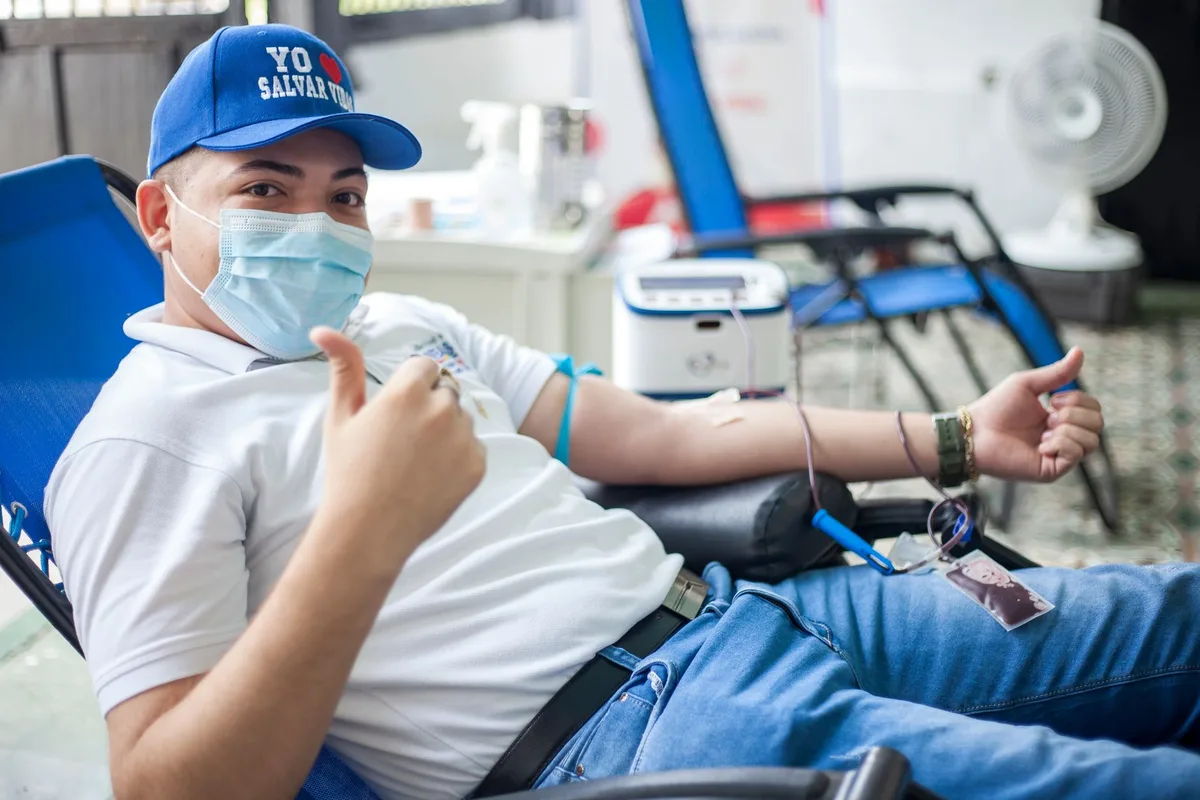
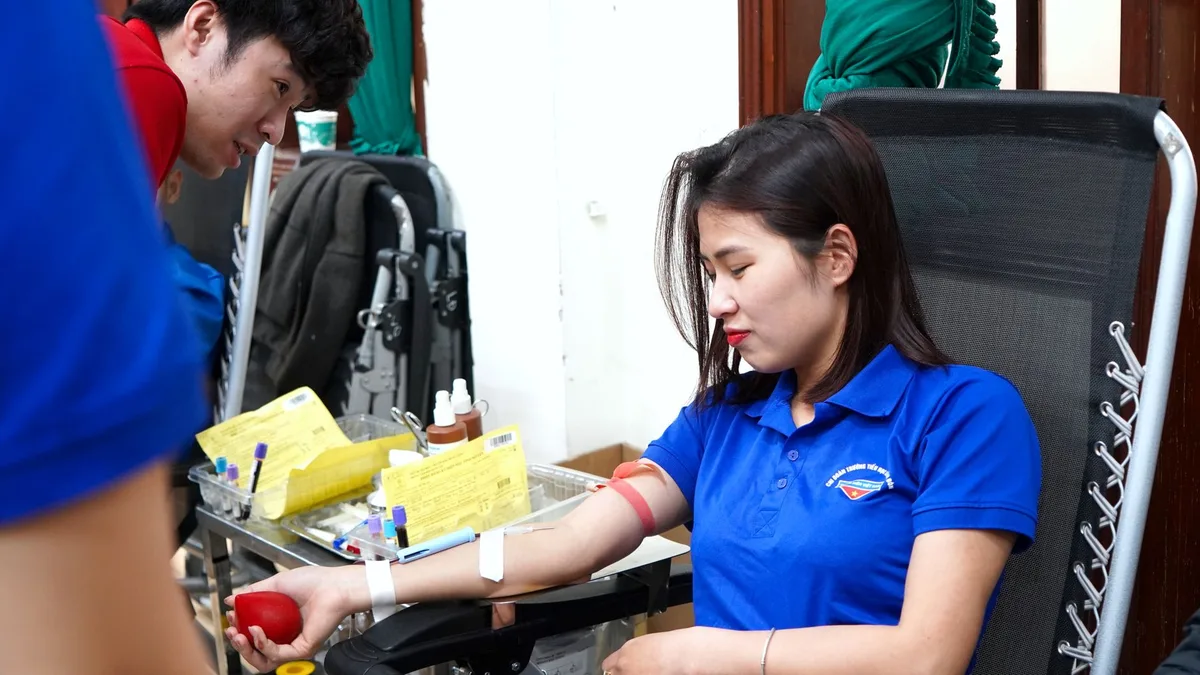
At OBI’s donor center, some regular volunteers have stepped forward. Joshua Juoni, who learned his blood type as a teenager, has been donating for years and says he keeps coming back because he knows his donations can be used in many urgent situations.
For others, the shortage is personal. Carvin Brown Jr., who works in donor recruitment, recently relied on donated blood to keep his son, Kyden, alive while awaiting a liver transplant. Brown credits the generosity of blood donors with helping his son survive long enough to receive the operation; today Kyden is recovering and his family describes the progress as remarkable.
How a donation matters
- Who is most urgently needed: People with O-negative and B-negative blood are in the highest demand because of their broader compatibility in emergencies.
- Immediate impact: A single donation can support multiple patients — trauma victims, surgery patients and those undergoing treatments that require transfusions.
- Eligibility basics: Most healthy adults who meet standard weight, age and health criteria can donate; bring photo ID and recent medical history when you visit a center.
- Timing and preparation: Stay hydrated, eat a healthy meal before donating and allow time to rest briefly afterward.
OBI stresses that this is not a routine shortage but a situation that reduces hospitals’ flexibility to respond to surges in need. While officials did not provide an exact timeline for when supplies might recover, they emphasized that donations from eligible donors will directly relieve pressure on local hospitals and patients.
Given the nationwide nature of the shortage, OBI is particularly appealing to those with the requested blood types to consider donating as soon as they are able. Medical staff and patients depend on these contributions to maintain care during both everyday and critical moments.