Show summary Hide summary
Flatbread salad has quietly moved from regional specialty to a go-to for busy cooks: crisp vegetables, torn or toasted flatbread, and a bright dressing come together in minutes to make a satisfying, low-waste meal. With interest in quick, plant-forward dishes on the rise, this format offers versatility for weeknights, picnics and last-minute entertaining.
Why this matters now
As more people seek meals that are fast, nutritious and budget-friendly, flatbread salads answer several demands at once. They make efficient use of pantry staples, help reduce food waste by reviving stale bread, and fit into varied diets — from omnivore to vegan.
Christa Pike released from hospital after failed execution, attorneys say
Dolly Parton tribute drives Madonna Inn crowds: steakhouse unveils limited menu
On a broader level, the format taps into two contemporary food trends: turning familiar comfort ingredients into fresher plates, and prioritizing simple, flavorful dressings over complex preparations.
Key components and what each does
| Component | Typical examples | Role in the salad |
|---|---|---|
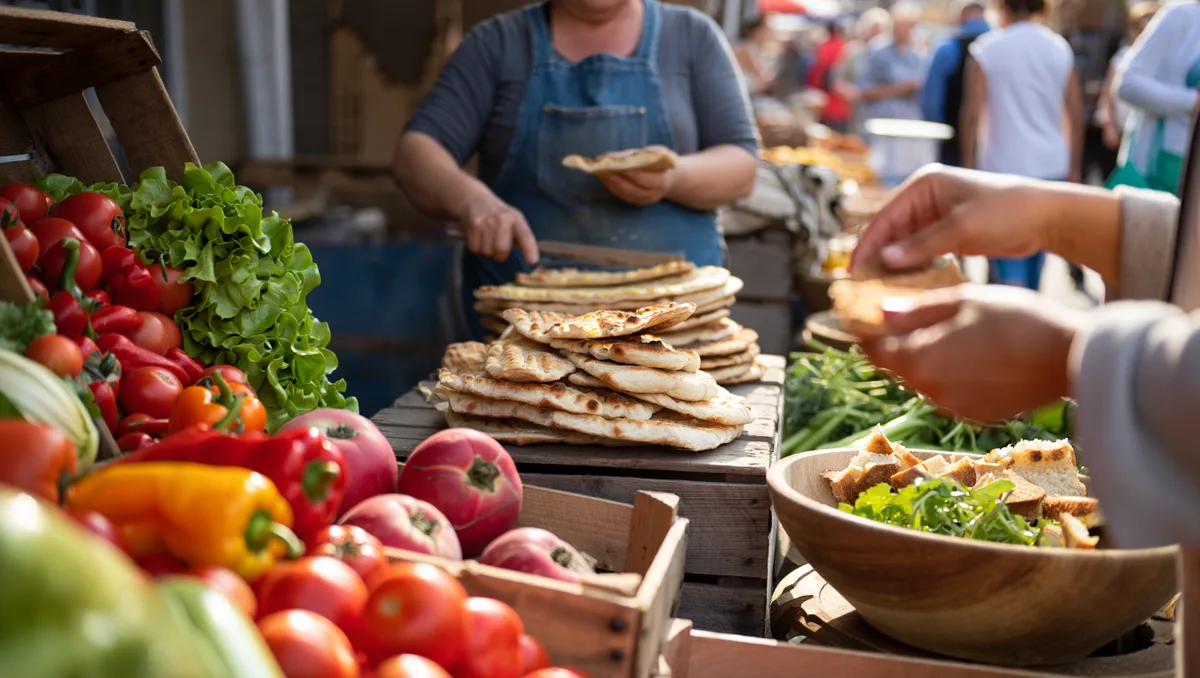
| Flatbread | Pita, lavash, khubz, naan | Provides crunch or chew; stores the salad’s heartiness |
| Greens & veg | Romaine, arugula, cucumber, tomato, radish | Freshness, texture contrast, vitamins |
| Dressing & aromatics | Lemon-olive oil, garlic, sumac, herbs | Binds ingredients, adds acidity and depth |
| Optional protein | Grilled chicken, chickpeas, feta | Makes the dish more filling |
Some classic recipes — notably the Levantine fattoush — are a useful template: roughly equal parts bread and vegetables, a citrus-forward dressing, and a scattering of herbs. But the model is intentionally elastic.
How to build one in under 20 minutes
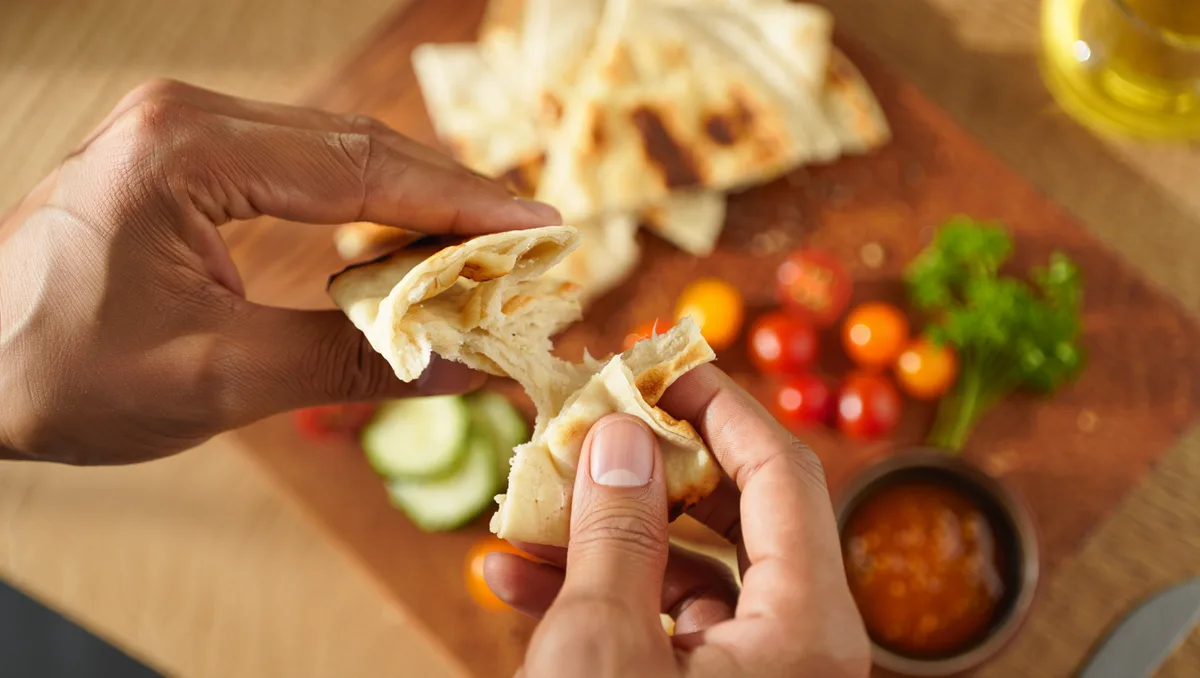
Start by deciding whether you want the bread crisp or chewy. Toast thin pieces for crunch; tear and toss un-toasted flatbread if you prefer softness.
- Prepare the dressing first: a simple mix of extra-virgin olive oil, lemon juice or vinegar, salt and a pinch of sumac or za’atar brightens everything.
- Chop a mix of crunchy and juicy vegetables — cucumber and tomato are reliable — and add fresh herbs for lift.
- Toss bread with dressing just before serving to keep texture contrast: too early and the bread sogs; too late and it won’t absorb flavor.
- Add protein if desired; canned beans or leftover roasted meat integrate well.
Variations worth trying
Think regionally or seasonally. In spring, load the salad with peas, young greens and mint. In autumn, roasted vegetables and warm pieces of toasted bread make the bowl cozier.
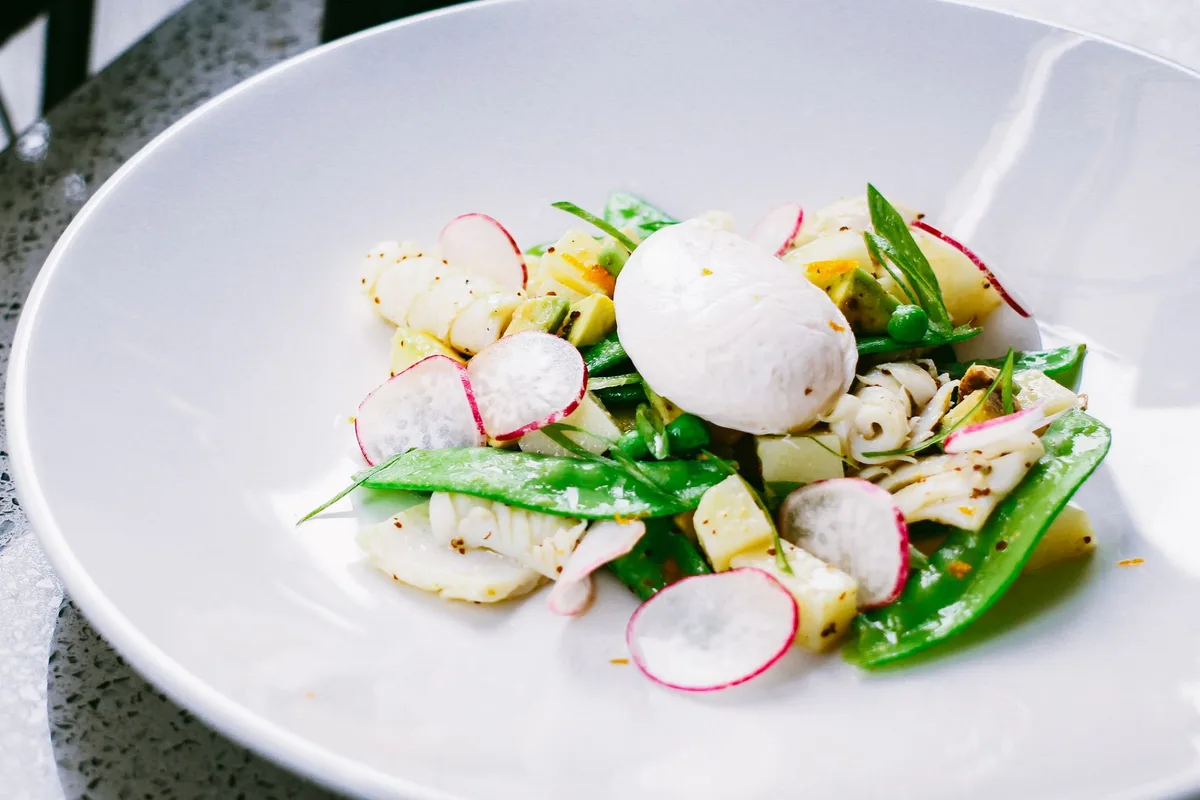
Flavor pivots are simple: swap lemon for pomegranate molasses for a sweeter tang, or add toasted sesame oil and soy for an Asian-leaning interpretation.
Practical benefits
Beyond taste, flatbread salads are economical and sustainable. They stretch small quantities of protein and revive leftover bread, cutting down on food thrown away.
Nutrition-wise, the combination of vegetables, healthy fats from olive oil and optional lean protein creates a balanced plate that scales from light lunch to full dinner.
Quick troubleshooting
If the bread becomes soggy, serve it on the side or briefly re-crisp it in a hot pan. If the salad tastes flat, add a squeeze more acid or a pinch of salt — acidity activates other flavors.
For make-ahead meals, keep components separate: store greens, dressing and bread individually and combine at the last minute.
Flatbread salad is less a single recipe than a method: a reliable framework that adapts to seasons, diets and what’s on hand. That flexibility explains its growing presence on menus and home tables alike — practical, flavorful, and timely in an era that values both speed and sustainability.